Finding Your Way Back to Yourself Through Healing and Self-Trust – An Interview with Niki Stannard
Niki Stannard is a personal trainer, NLP practitioner, wellness coach, and founder of Coaching with Nik, where she helps people rebuild their confidence by combining strength training, mindset coaching, nervous system regulation, and the healing power of nature. After losing half her body weight and navigating childhood trauma, burnout, grief, neurodivergence, and an HSV diagnosis, Niki transformed her own experiences into a mission to help others realise that lasting change begins from within.
Through coaching, wellness retreats, writing, and a growing online community, she speaks openly about topics often left in the shadows, including trauma recovery, neurodivergence, emotional wellbeing, and stigma. Her honest, compassionate approach has inspired thousands to believe that healing isn’t about becoming someone new, but finding your way back to the person you were always meant to be.
Whether she’s leading clients in the gym, hiking the mountains of North Wales, or sharing her journey online, Niki’s message remains the same, real transformation isn’t built through perfection, but through courage, consistency, and learning to trust yourself again.
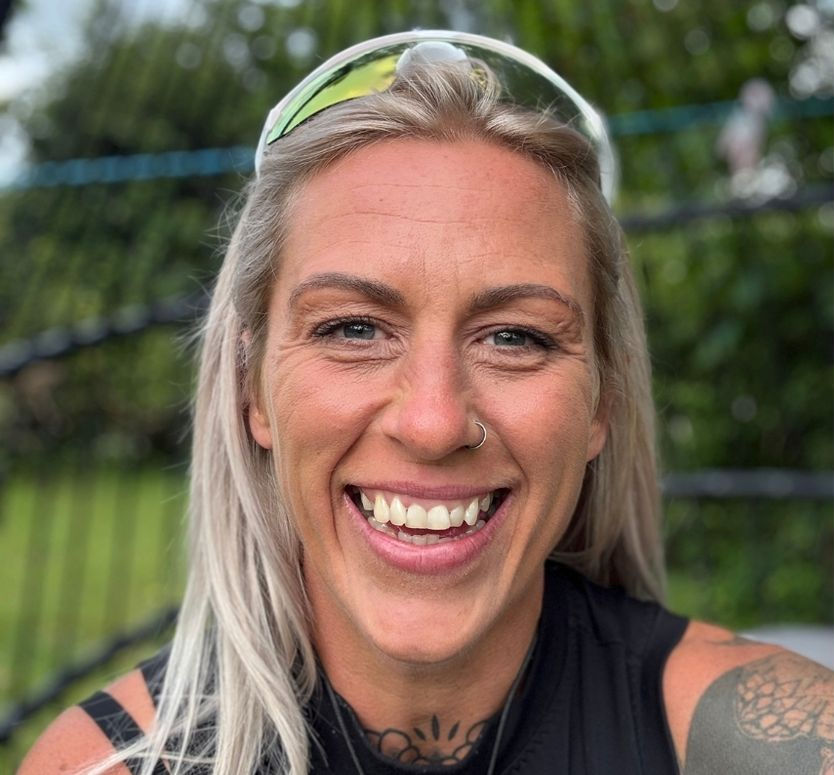
Niki Stannard, NLP Life Coach and Personal Trainer
You often say healing is about finding your way back to yourself, so what does that journey look like in your work with clients?
For me, healing isn’t about becoming someone new. It’s about remembering who you were before life convinced you that you weren’t enough.
So many of the people I work with arrive believing they simply lack motivation or discipline. What I often see underneath is burnout, unresolved trauma, grief, heartbreak, years of people pleasing, or nervous systems that have been surviving for so long they no longer know what feeling safe actually feels like.
My coaching starts with compassion before challenge. We build routines that support the nervous system, improve physical health, and restore confidence one small promise at a time. Sometimes that looks like strength training. Sometimes it’s eating consistently again. Sometimes it’s simply learning that rest isn’t failure.
Healing isn’t linear, and I never expect perfection. I want my clients to trust themselves again. Once someone learns they can keep showing up for themselves, everything begins to change. Confidence stops being something they’re chasing and becomes something they’re quietly building every single day.
How has losing half your body weight changed the way you coach people who want lasting transformation?
Losing half my body weight completely changed my understanding of what transformation actually means.
When I was younger, I believed changing my body would fix everything. I discovered that whilst fitness transformed my physical health, the emotional wounds, low self-worth and trauma were still there waiting for me.
That experience shaped the coach I am today. I don’t coach people to chase smaller bodies. I coach them to build stronger lives.
Yes, nutrition and training matter enormously, but sustainable change happens when your habits are built from self-respect rather than self-hatred. If someone believes they aren’t worthy, they’ll often sabotage the very life they’re trying to build.
Because I’ve lived both sides of that journey, I understand the emotional battles that rarely get spoken about. My goal isn’t simply to help someone lose weight. It’s to help them create habits they can maintain for life whilst becoming someone they genuinely enjoy being.
What does combining NLP, personal training, and nervous system regulation allow you to achieve that each approach cannot do on its own?
Each discipline answers a different question. Personal training asks, “How do we strengthen the body?” NLP asks, “How do we change the beliefs driving our behaviours?” Nervous system regulation asks, “Does your body actually feel safe enough to make those changes?” When you combine all three, you stop treating symptoms in isolation.
Someone may know exactly how to lose weight, yet emotionally eat every weekend because food has become safety. Another person may avoid the gym because exercise reminds them of years of shame. Others simply live in a constant state of stress where every healthy habit feels exhausting.
By working with both mind and body together, we create change that lasts. The body and brain are constantly talking to each other. When we understand both conversations, we stop forcing change and start supporting it.
Why do you think so many health and fitness conversations still overlook the role of trauma and emotional well-being?
I think because it’s much easier to count calories than it is to have conversations about childhood trauma, abandonment, burnout or emotional safety. The fitness industry has traditionally focused on discipline and willpower. Whilst those things have value, they don’t tell the whole story. If someone’s nervous system is stuck in survival mode, asking them to simply “try harder” often creates more shame when they can’t sustain it.
Through both my own experiences and my coaching, I’ve seen how unresolved trauma can influence sleep, nutrition, relationships with exercise, emotional eating, perfectionism and even self-sabotage. That doesn’t mean trauma becomes an excuse. It becomes context.
Once we understand why someone struggles, we can build strategies that actually work for them instead of making them feel like they’re failing. I believe the future of health isn’t choosing between physical or mental wellbeing. It’s recognising they’re inseparable.
You’ve chosen to speak openly about subjects like neurodivergence and HSV awareness. What has that taught you about the power of reducing stigma?
The more honestly I’ve shared my own story, the more messages I’ve received from people saying, “I thought I was the only one.” That reminds me why vulnerability matters.
Talking openly about ADHD, burnout, childhood trauma and HSV wasn’t easy. There was fear that people would judge me or think less of me. Instead, I found connection. Stigma survives in silence.
Whether someone has an STI, lives with neurodivergence, or is recovering from trauma, shame often convinces them they’re somehow broken. I know that feeling because I’ve lived it.
If sharing my experiences helps even one person feel less alone or encourages them to ask for support, then every difficult conversation has been worthwhile. I don’t share because I have all the answers. I share because healing becomes a little easier when people realise they don’t have to carry their struggles alone.
For someone who feels stuck after burnout, grief, or heartbreak, where is the best place to begin rebuilding confidence?
Start incredibly small. When life falls apart, we often think we need huge changes to rebuild ourselves. In reality, confidence grows through tiny acts of consistency.
Eat something nourishing. Go for a short walk. Drink some water. Get outside. Text someone you trust. Sleep when your body asks for it.
Your nervous system isn’t asking you to become the strongest version of yourself overnight. It’s asking you to feel safe again.
One of the biggest lessons I’ve learned is that healing isn’t measured by how quickly you bounce back. It’s measured by how gently you learn to meet yourself where you are. Every small promise you keep to yourself becomes evidence that you can trust yourself again. That’s where confidence begins.
Your retreats are rooted in nature as much as coaching, so what changes do you see when people step away from everyday life and reconnect with the outdoors?
Nature has a remarkable way of stripping life back to what really matters. The moment people leave behind constant notifications, responsibilities and expectations, something begins to soften.
I’ve watched women arrive carrying stress, self-doubt and emotional exhaustion. Within a weekend of walking, moving their bodies, sharing conversations around a fire, practising mindfulness and simply slowing down, they begin to breathe differently. There isn’t pressure to perform. There’s permission to simply be.
The mountains don’t care about your job title, your past mistakes or your insecurities. They remind us how small our worries can become when we reconnect with something bigger than ourselves.
Some of the biggest breakthroughs I’ve witnessed haven’t happened inside a gym. They’ve happened on a mountain path, beside the sea, or sitting quietly watching the sunset. Sometimes healing doesn’t need more noise. It simply needs space.
Through everything you’ve experienced personally and professionally, what has helped you build the deepest sense of self-trust?
Keeping promises to myself. Not the big dramatic moments, but the quiet ones that nobody else sees. Getting out of bed when I wanted to hide, going to therapy, having difficult conversations instead of avoiding them, setting boundaries that felt uncomfortable, and choosing honesty even when it cost me relationships have all helped me rebuild that trust.
There have been times in my life where I completely lost trust in myself because trauma taught me to ignore my own instincts. Rebuilding that has taken years.
Now I know self-trust isn’t believing you’ll never get hurt. It’s believing that whatever happens, you’ll meet yourself with compassion and find your way through it.
I still make mistakes. I still have moments where life feels overwhelming. The difference now is I know I won’t abandon myself.
If you could leave readers with one message about healing and personal growth, what would you want them to remember most?
Healing isn’t about becoming fearless. It’s about learning that you are capable of walking through fear without losing yourself. Your past may explain you, but it doesn’t have to define your future.
I’ve lived through childhood trauma, heartbreak, burnout, an HSV diagnosis, losing half my body weight and years of believing I wasn’t enough. None of those experiences disappeared overnight, but every single one taught me that healing happens one choice at a time.
Choose honesty. Choose movement. Choose rest. Choose nourishing your body. Choose asking for help. Choose yourself, over and over again.
You don’t have to have your life completely figured out to begin rebuilding it. Sometimes all you need is the courage to take the next step, and then another. One day you’ll look back and realise those small steps quietly carried you home to yourself.
Follow me on Instagram for more info!
Read more from Niki Stannard