

Empowering Leadership and Driving Team Transformation – Exclusive Interview with Priyanka Ayodele
Priyanka Ayodele (CMgr MCMI, Assoc. CIPD) is a Chartered Manager and Associate CIPD member and the founder of The Leadership Method. Her work focuses on leadership, team culture, and organisational development. Earlier in her career, she studied psychology and worked in mental health, which shaped her interest in how people experience leadership at work. Having experienced both poor management and the kind of leadership that helps people grow, she saw firsthand how much impact managers can have on someone's confidence and development. The managers who recognised her potential played a big part in shaping the leader she is today. That experience now influences the work she does at The Leadership Method
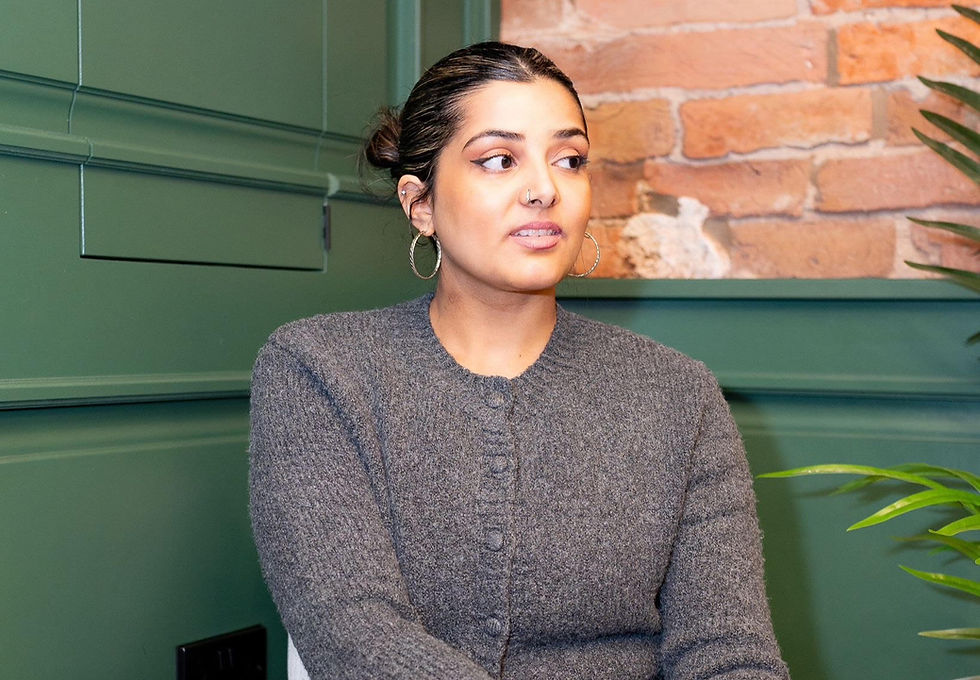
Priyanka Ayodele, Leadership and Business Specialist
What approaches do you use to help leaders unlock their full potential and drive lasting transformation within their teams?
For me, leadership development always starts with understanding people and the environment they are working in. Leadership doesn’t happen in isolation. Every team already has a culture, a set of behaviours, and ways of working that have developed over time. If we ignore that and try to impose change from the outside, it rarely works.
My approach is very influenced by the work of the late Edgar Schein, who spoke about culture as a deeper pattern of behaviour and assumptions that shape how organisations actually function. Before trying to change anything, I spend time helping leaders understand the culture of their team, what people value, how decisions are made, what behaviours are rewarded, and what people might be afraid to say out loud.
From there I will work with leaders through reflection, coaching conversations, and tools that help them think about how their own behaviours shapes the team environment. When leaders become self-aware, that’s when the biggest shift happens, from my experience. That change, it tends to happen from small, consistent changes in behaviour rather than one big standalone intervention.
What are some of the most common challenges leaders face in their roles, and how do you support them in working through these?
One of the biggest challenges I see is that many managers are overwhelmed. They are managing many things at the same time, and even capable leaders end up feeling like they are constantly reacting rather than leading. Another challenge is that leadership can be quite isolating. Leaders are often expected to have the answers, even when they are navigating complex situations for the first time.
When I work with leaders through coaching, one of the most valuable things I can offer is space. Space that gives them time to step back, think clearly, and talk honestly about the challenges they are facing. Coaching allows them to organise their priorities, reflect on their decisions, and explore different ways of approaching situations.
I also work with managers to help them build self-awareness. When leaders understand their own reactions, communication style, and impact on others, they are far better equipped to handle difficult conversations, manage conflict, and support their teams effectively. Sometimes that’s what they need, time to think and reconnect with their leadership style.
What is the role of emotional intelligence in leadership, and how do you incorporate it into your coaching process to create powerful results?
Emotional intelligence is really important in leadership because leadership is ultimately about people. Leaders are constantly navigating different emotions, their own, and the emotions of the people around them.
A leader who is emotionally aware tends to notice things others might miss. They might pick up when a meeting suddenly becomes tense, when someone feels unheard, or when a situation calls for empathy rather than authority. When I am coaching leaders, emotional intelligence usually comes up through reflection. I often ask them to think about interactions that didn’t go quite as expected. What was happening in the moment? What might the other person have been thinking or feeling? How might the situation have been experienced from their perspective? Something I talk a lot with leaders about is the gap between what we intend and how our behaviour is experienced by others. We might mean well, but if our actions land differently, it’s important to understand that difference. Developing that type of awareness is what helps leaders change how they respond to situations.
What measurable impact have your clients experienced after applying your leadership strategies, and how do you track their success over time?
One of the biggest ways to see the impact of leadership development is in how teams start to operate differently. Leaders often tell me that conversations within their teams become more open, people start sharing their ideas more freely, and issues are addressed earlier instead of being avoided. Sometimes organisations also notice improvements in things like engagement, communication, and collaboration between teams. Managers themselves often say they feel more confident and clearer about how they want to lead.
When it comes to measuring success, I look at a mix of things. Formal feedback and organisational data can be helpful, but I also pay a lot of attention to the behavioural changes happening day to day. Are people speaking up more in meetings? Are leaders approaching difficult situations differently? Do team members feel more supported?
A lot of the time, the biggest changes are quite subtle at first, but over time those behaviour changes start to positively impact the way the team works together. This is where healthier teams and a stronger culture start to grow.
What key insights have you gained from working with high-level executives, and how do you tailor your methods to fit their unique challenges?
Senior leaders carry a huge amount of responsibility. They’re making decisions that affect large numbers of people while also dealing with strategy, performance pressures, and the expectations of the organisation. That can be a lot to hold.
One thing I have noticed when working with senior leaders is that they don’t always have many spaces where they can step back and think out loud. The higher someone moves in an organisation, the fewer opportunities they sometimes have to speak honestly about challenges or uncertainty.
When I work with senior leaders, my role isn’t to tell them what to do. It’s more about creating a space where they can think things through, reflect on the culture they’re shaping, and look at the bigger picture of how their decisions affect the organisation. At that level, leadership isn’t just about strategy or technical expertise. It’s also about understanding the human side of organisations, the relationships, behaviours, and dynamics that shape how everything actually works.
You often speak about organisational culture. Why do many culture change initiatives fail, and what do organisations need to understand before trying to change culture?
I think a lot of culture change initiatives fail because organisations treat culture like something you can just announce. A new set of values gets launched, there might be posters or a big communication campaign, and the expectation is that the culture will somehow shift. But culture doesn’t really work like that. Culture is built over time through the behaviours people see every day, the decisions leaders make, and the things that are rewarded or ignored.
This is something organisational psychologist Edgar Schein spoke about a lot. He described culture as the deeper patterns and assumptions that shape how people actually behave in organisations. So if leaders try to introduce changes that go completely against those patterns without understanding them first, people often fall back into what feels familiar.
Before trying to change culture, I think organisations need to slow down and really understand the culture that already exists. How do meetings usually run? Who tends to speak and who stays quiet? How are mistakes handled? What do people feel safe saying, and what do they keep to themselves? Over time, these small changes influence how people interact and how teams work together.
How does your background in psychology shape the way you approach leadership and organisational development?
My background in psychology has really shaped the way I look at organisations. I originally studied psychology because I have always been interested in how people think and behave, and at one point I actually considered becoming a Clinical Psychologist. Over time, though, I realised that the workplace is one of the most places where human behaviour shows up most clearly.
Organisations are made up of people with different experiences, personalities and motivations, so when leadership challenges happen they’re often not just technical problems, they’re human ones. Psychology helps me look a little deeper at what might be going on beneath the surface. For example, why might a team feel hesitant to speak up? Why do certain patterns keep repeating themselves in organisations? What emotions might be influencing the way people respond to situations?
When leaders start thinking about these kinds of questions, they can start to approach situations with more understanding and curiosity rather than just trying to force change. That leads to much healthier conversations and better outcomes for teams.
Read more from Priyanka Ayodele


