Cinema’s Guide To Leadership –Emotional Intelligence Lessons From Iconic Movie Characters
Sassi Ochoa, a CIJ Clarity Catalyst and transformational trainer, embraces her purpose of service-driven living. Through various roles as a blogger, coach, runner and wanderlust enthusiast, she embodies diverse forms of leadership, inspiring others to explore their own paths of empowerment.

Leadership lessons often stem from abundant books, theories, and practical examples. But have you ever considered that the film industry could also be a rich source of inspiration and leadership insights? Recently, I realized that some of my favorite movie characters exhibit the most inspirational behaviors I’ve ever seen. This might explain why movie stories captivate us so deeply.
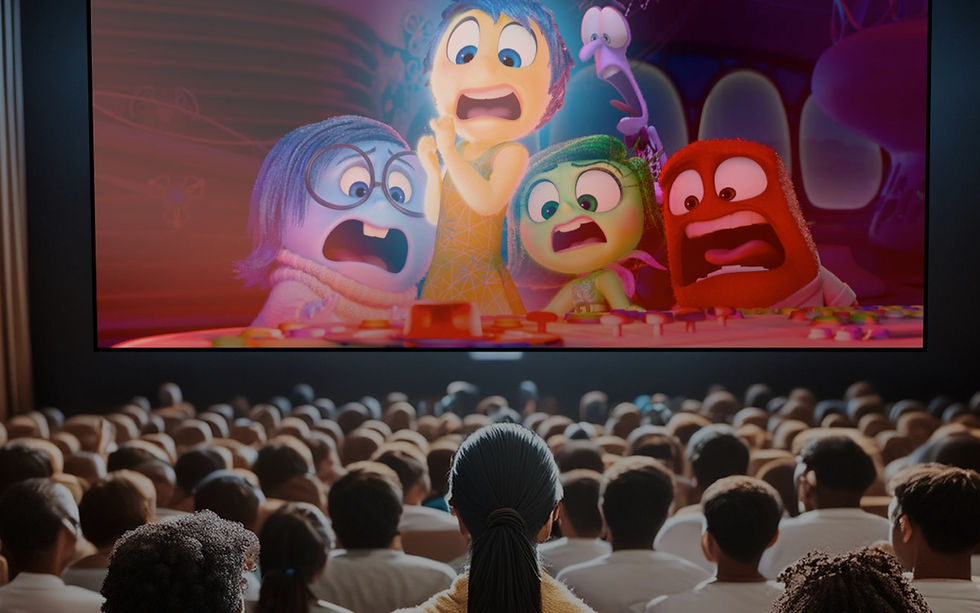
One such revelation struck me during my recent visit to the theater to watch Inside Out 2. This Pixar masterpiece continues the beloved story from the first film. It introduces new characters that shine in their roles, especially Anxiety, who now plays a pivotal part in Riley’s life. Without giving away any spoilers, I must highlight how these old and new characters, embody powerful leadership qualities we can learn from.
In this article, I will highlight the values and leadership traits demonstrated by the characters in Inside Out 2 and other films, showing us how they can inspire in our personal and professional lives.
I could realize in Anxiety his enrollment and determination to do whatever it takes to achieve the goal, in Joy’s character her ability to develop emotional intelligence and teamwork, in Anger his passion, in Sadness his courage, in Fear his caution and vulnerability, in Embarrassment his compassion and patience, in Ennui her ability to connect, in Disgust her authenticity and in Envy her genuine desire to admire someone and follow their steps. So, any of the characters (emotions) has the potential to lead the group, and they only need validation and “regulation”.
We possess unique gifts and the potential to be a leader in various situations. We can choose which skills or emotions to harness in any given scenario. Embracing all aspects of ourselves—including those parts that have been broken, rejected, or hurt in the past—is crucial for self-acceptance and self-esteem. This acceptance is fundamental in transforming these aspects into superpowers to lead with authenticity and resilience.
If you are a leader or want to become one in your organization and want to explore the impact of emotional intelligence and mindfulness on the productivity of your team, enroll now in this powerful workshop: Leadership is written with H
5 skills of emotional intelligence
According to Daniel Goleman, father of this branch of psychology and human behavior, emotional intelligence is made up of five principal skills:
Self-awareness: the ability to recognize and understand our own emotions. This is what we call self-knowledge.
Self-regulation: the ability to properly manage our own emotions and behaviors.
Motivation: the ability to use emotions to auto-motivate and motivate others.
Empathy: the faculty to understand and respond assertively to the other’s emotions.
Social skills: the competence to build and maintain positive relationships, communicate ideas, and interact with other human beings.
Other inspirational movie characters
Returning to our initial idea of linking movie characters with the powerful skills of emotional intelligence, let’s explore some standout examples. I’m particularly excited to share this with you because I’m a passionate cinephile.
Films often present characters who navigate complex emotional landscapes, showcasing traits we can learn from and apply in real life. These characters captivate us with their stories and provide profound insights into managing emotions, fostering resilience, and leading with empathy. Through their journeys, we can learn valuable lessons in emotional intelligence that resonate far beyond the screen. Here are a few characters who exemplify emotional intelligence and the lessons they impart:
I remember my first time in the theater watching the big screen “Superman” Superman 1978-1987 5-film Collection | 4K Trailer | Warner Bros. Entertainment (I hope you can remember your favorite superhero movie).
What was it that I admired most about Superman?
If I were a 5-year-old child my answer would be: He can fly! If I were a 10-year-old child I would say: He is brave If I were a teenager I could say: He is the best And now as an adult, my answer is: His empathy and kindness are the most I admire.
Let’s see other characters, not necessarily superheroes
Chris Gardner (Will Smith) – Pursuit of Happyness: Chris’s relentless motivation and self-regulation in the face of hardship highlight the power of perseverance. His emotional intelligence shines through in his ability to stay hopeful and focused on his goals, even during the toughest times. Chris Gardner’s story inspires us to lead by example, showing how inner strength and optimism can overcome life's challenges.
Jack Dawson (Leonardo Di Caprio) – Titanic: He shows social skills during the dinner with the high society, besides humbleness, gratitude, and wisdom. His motivation is evident during the ship's sinking, faith, and support for other human beings.
Captain John Miller (Tom Hanks) – Saving Private Ryan: He shows self-awareness, self-regulation, and empathy. Clear vision, responsibility, and honor. These are great lessons to learn in hard times.
Trevor (Haley Joel Osment) – Pay it forward: The power of motivation, self-awareness, and leadership in a young student is inspirational. His idea became a kindness phenomenon.
Guido (Roberto Benigni) – Life is beautiful: His imagination to transform the horrors in the war into a game for his son, reveals his empathy and self-regulation to overcome the adversity.
Neo (Keanu Reeves) – Matrix: Self-regulation looks like his ability to believe in himself and to challenge his core beliefs to understand the matrix.
Katniss Everdeen (Jennifer Lawrence) – Hunger Games: She embodies leadership as sacrifice and high justice sense – people first. She’s deeply loyal, modest, and compassionate.
Captain Nathan Algren (Tom Cruise) – The Last Samurai: He shows courage, honor, and increasing self-awareness to connect deeply with the Japanese culture and traditions. Of course, his social skills and humility are the key to his survival.
T’Challa (Chadwick Boseman) – Black Panther: His leadership is based on social responsibility and justice, which means self-awareness, self-regulation, and empathy.
Could you think of another characters that inspire us to be the best leaders in real life?
Movies are more than just stories. By observing and learning from these characters, we can enhance our own emotional intelligence and leadership skills. Let’s embrace the lessons they offer and apply them to our everyday lives.
Are you ready to lead and inspire others? Let’s do it together Schedule a discovery call or follow me on Instagram and LinkedIn or visit my website.
Read more from Sassi Ochoa
Sassi Ochoa, Mindfulness & Transformational Coach
Sassi Ochoa combines 15 years of successful experience in the insurance sales industry with 5 years of holistic leadership experience, spanning both professional and personal domains.
Committed to providing Latin people with the same transformative educational opportunities she has experienced translated Stanford University's prestigious CIJ Clarity Catalyst program into Spanish during the 2020 pandemic, facilitating it in her community's mother language since then. Additionally, she created the virtual worshop "Leadership is written with H", designed to connect managers and collaborators with their commitment, emotional competences, and the significance of teamwork.