An Interview With International Leadership Wellness Coach David Kegley
Dr. Kegley specializes in coaching well-educated, progressive leaders and executives who have been stopped in their tracks due to health setbacks. His doctorate is in theology and preaching. His first 25-year career was in the Presbyterian Church U.S.A., where he was a Pastor and Head of Staff. But, after getting nearly burned out, getting diagnosed with Prostate Cancer, and going through cancer treatment, he emerged as a credentialed coach. Now he Coaches in the areas where he experienced his own humility and growth: Health and Wellness, The Cancer Journey, Burnout Recovery, and Leadership and Executive.
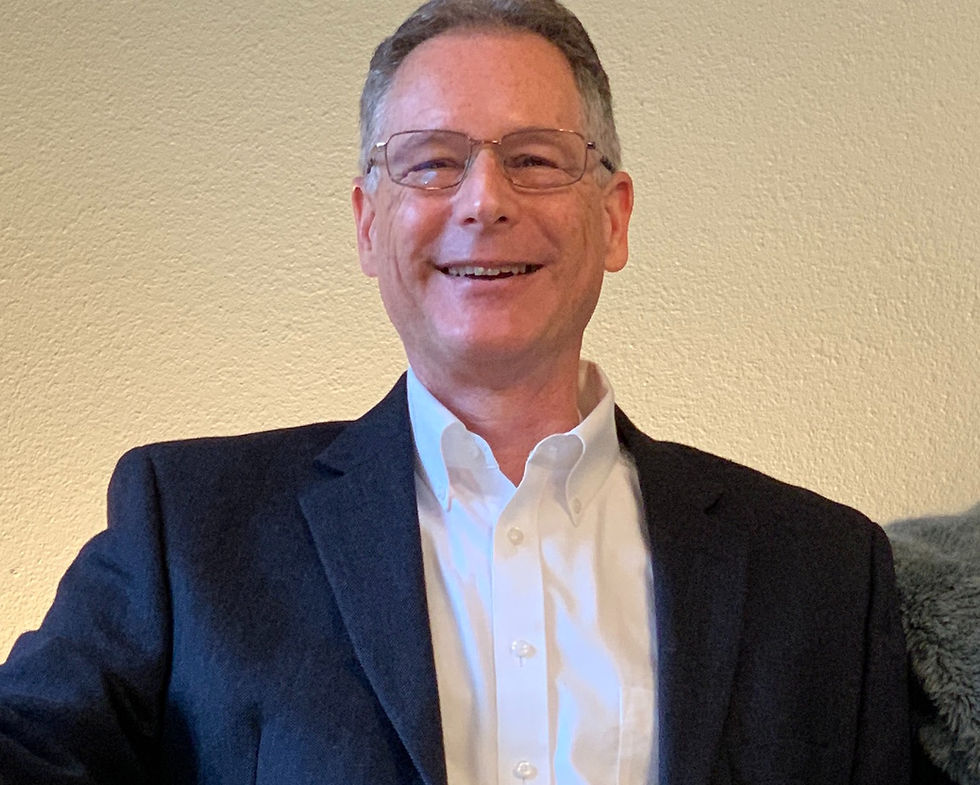
David Kegley, International Leadership Wellness Coach
Who is David?
My name is David Kegley, and I am the Owner and Principal of Coaching & Conflict Transformation. This is my second career. My first was as a Pastor and Head of Staff in the Presbyterian Church, U.S.A. I hold a doctorate in preaching and theology from McCormick Seminary in Chicago. I grew tremendously in my 25-year career as a pastor. The skills that I developed—aside from what people may normally associate with parish work—were administrative and staff leadership and conflict transformation. As I continued to advance in my work and improve my skills, my schedule kept filling to capacity, and I kept demanding more of myself.
I increasingly became convinced that there was another career calling to me outside of pastoral ministry, this time as a coach. What’s more, in 2015, I was diagnosed with prostate cancer. I realized that whatever life I had left was a gift, and if there was another career out there for me, I had better start reaching for it now. Within one year, I had caringly said farewell to my congregation and enrolled in a coaching program.
Shortly after that, I created Coaching & Conflict Transformation, LLC. In addition to being a Coach, I am a Certified Mediator and mediate two-party and complex multi-party cases here in Washington State, U.S. My mediation experience does add depth to my coaching practice, but it rarely comes up in my sessions.
I added to my initial training by receiving specialized certifications from the Cancer Journey Institute, which helped immeasurably in my work with cancer clients, and the National Board-Certified Health and Wellness Coach certification, which is the gold standard for health coaching worldwide.
I’ve been married to my wonderful wife for 35 years, and we have two adult sons. We have two crazy cats; one is Ollie, a panther-like cat who would run from you if he saw you. He defends us against human and animal predators alike, is a scrappy fighter, and makes frequent trips to the vet for repairs, but he snuggles up to trusted family members in secret. The other is SeaTac (like the airport), who would come to you and purr if he saw you, frequently makes friends with the neighbor animals and humans and never needs to go to the vet.
What is it that you do for your clients?
I listen to them. I help them get to the crux of their most important issue. Then, we work as a team to decide how to derive new motivation or access that motivation creatively and to feel that motivation bodily. My clients and I will work to frame their language for a new path forward and decide on a declaration for that path. Finally, I ask my clients to work to build a practice with me that, in effect, rehearses what this new path forward will begin to look like. That, of course, is basic coaching familiar to many coaches.
My niche focuses on creating health and wellness for clients who meet up with health roadblocks. I help my clients answer questions like: What do I do with my doctor’s prescription to lower my A1c or lose 10 pounds/5 liters, lower my blood pressure, quit smoking? Or how to move forward with a diagnosis of cancer? The common thread that unites most of my clients is that they are brilliant, talented people who have been stopped in their tracks because of something to do with their health.
Who should hire/work with you?
Corporate executives who need to balance a health setback with a need to keep pace with the demands of their job, those who have given their all through the pandemic and are now facing burnout, and others who never knew they were burned out until their boss or governing board intervened. Still, others who have just walked away from their doctor’s office with a folder and some additional literature about the alarming diagnosis that has just rocked their world or who have just gotten off the phone and heard of a similar diagnosis. Then, the many others who have been contemplating the need to make changes with their health and wellness but have never known where to turn until now.
What is your big goal? Where do you see yourself 10 years from now?
I see myself expanding my capacity and depth in the wellness niche on a worldwide scale. I love coaching in different places around the world. I love telling my family at the end of the day that I went to Australia, Singapore, the UK, and the Philippines (albeit on Zoom) today! My mission is to stay in touch with my own fragile, illumined, and powerful self, honor my top five values of love, beauty, truth, peacemaking, and voice, and to be a learner along with my clients. I see coaching as developing the personal agency of my clients, and I want to do this with them to increase their personal and professional potentials, one person at a time.
My big goal is to become a recognized advocate for proactive and interventive health among talented, progressive leaders and build a strong, self-sustaining client list of my ideal clients.
Want to work with David? You can reach him at: drkegley.com or LinkedIn!