

5 Tips for Community Organizations Hosting Family-Friendly Events
Updated: Mar 6, 2025
Laurenza Buglisi specializes in supporting families affected by sexual violence, intergenerational trauma, and family estrangement. She also provides training and consultancy in child safeguarding practices for organizations and social work professionals.

Have you recently started working for a community organization that runs public events for children and their families? Maybe you’re keen to understand what to be mindful of when planning these events. Depending on which country you’re in, there may be strict requirements you must adhere to in order to comply with child safety laws.
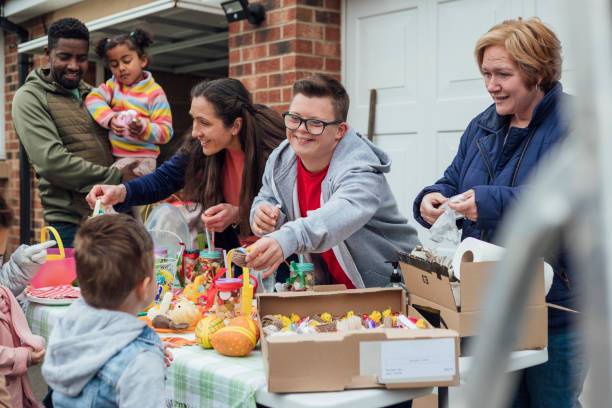
As someone who has provided training and consultancy to not-for-profit organizations on the Victorian Child Safe Standards, I can share my top five tips for what you need to know. Please note, this is not legal advice and does not substitute tailored consultation to satisfy compliance obligations. Keep reading if you’re interested in learning how these principles might be applied in planning your own community events for children and families.
Train staff and volunteers in child safety
It is important that everyone working for your organization (whether paid staff or volunteers) has a solid understanding of what child abuse is and how to respond if a child discloses harm by either another child or an adult, whether recently or in the past. Frontline workers who have direct contact with children and young people should also have a good understanding of child developmental needs and be able to recognize indicators of abuse and harm. They should also understand grooming and the long-term impact of child abuse on adolescence and adulthood.
All staff should be able to locate your organization’s child safe policies and procedures and know who the appropriate person or people within your organization are to notify about any child safety concerns. Organizational child safe policies and procedures should outline expectations of staff and volunteers regarding record-keeping and reporting obligations. This includes documenting if a child tells the worker they have been abused or if the worker notices something about the child’s behavior that causes concern for their safety.
Staff and volunteers should also understand the connection between greater organizational transparency when working with children and young people and the reduction in the risk of harm within that institution. By involving parents and families in decisions affecting their child, and being open in general regarding the organization’s approach to community-based programs and events, the risk of child abuse and harm is reduced because a culture of accountability is established.
Manage and mitigate environmental risk
It is also the responsibility of staff and volunteers to assess the likelihood of abuse or harm occurring when organizing a community event. This means they need to understand what aspects of the physical or online environment might pose a risk to a child or young person’s safety and then implement strategies to mitigate that risk.
No event or program will ever be completely free of the risk of harm to a child, so the emphasis is on reducing the chances of a child or young person being exposed to abuse as a result of their participation. Considerations should include avoiding photographing or filming children or young people without parental consent, not uploading the images or footage to a private account, or taking such photography or footage in a way that is inappropriate, such as sexually suggestive imagery.
This also includes ensuring children or young people are not exposed to situations or individuals that might pose a risk to their safety. For example, pre-screening workers and volunteers to detect adults with a criminal history of child sex offending is crucial. Additionally, children or young people must not be exposed to sexually graphic material, such as adult pornography. In many countries, this is a criminal offence.
Make sure inclusion applies to everyone
When planning a community event for families, it’s important to think about how all children and young people can feel welcomed and included. This is especially relevant for children and families from culturally and linguistically diverse backgrounds, as well as First Nations children and families. It also applies to children or young people who might have additional needs, such as mobility access or auditory and sensory accommodations.
When considering what could be implemented to accommodate children with diverse needs, it’s important to ask, “Does accommodating one group exclude others?” Genuine inclusion and equality should not prioritize the needs of one group over another. For example, choosing a venue close to the center of town but located on the second level in a building only accessible by stairs will automatically exclude anyone who requires elevator or ramp access.
There’s a difference between making attempts to accommodate everyone’s preferences and recognizing that certain decisions preclude some people from participating altogether. The same applies to children and young people from religious communities, who may be unable to attend an event if it requires them to engage in something that goes against their religious teachings (e.g., removing a headscarf because everyone must wear the same hat). Diverse needs can be accommodated without excluding others from participating.
Everyone has the right to join in, feel safe, and be heard.
Invite feedback from families and communities
The best way to gauge whether your community event is well-received by children, young people, families, and communities is to ask for direct feedback from these groups. This can form part of your community event planning but can also be retrospective. Taking the time to listen to concerns and answer questions demonstrates your organization’s commitment to integrity and accountability. It shows genuine respect for the opinions of the people you are working with and ensures your event or program is focused on meeting their needs.
It is important that the people attending your events are aware of and confident in your organization’s responsibility to promote a child-safe culture. This might be measured through interviews or surveys with these groups.
Regularly review and analysis complaints to improve child safe practices
The degree of organizational openness to feedback is best indicated by a robust feedback and complaint system, where everyone’s direct experiences with the organization are taken seriously. It is important to document any formal feedback or complaint and respond in a timely manner. Your organization might also consider undertaking a regular review of all feedback and complaints received and conducting an analysis of the recurring themes.
This will assist with quality improvement and further demonstrate a commitment to improving child-safe practices. It also acknowledges the important role of families and communities in providing feedback that should be embedded in the organization’s policies and procedures. Consistently receiving feedback from parents or community members expressing concerns about the safety of children at a community-run event is an indication that this review and analysis process has not been effectively implemented.
In conclusion, there are many elements to consider when planning a family-friendly community event. It is worth checking if your organization has any obligations to comply with child-safe laws or principles and ensuring that you meet these indicators. For more information, check out the Australian National Principles for Child Safe Organisations or the Victorian Child Safe Standards.
To find out more about the online resources I offer social workers and other professionals, visit my website.
Read more from Laurenza Buglisi
Laurenza Buglisi, Social Worker & Family Therapist
Laurenza Buglisi is a qualified Social Worker and Family Therapist who specializes in child sexual abuse. She was the founder of Juno’s Circle: Counselling, Training and Consulting, supporting families with complex trauma. Laurenza is committed to ensuring all families are equipped with the necessary tools and resources to parent protectively. As a mother to three young children herself, she understands the challenges of raising children in a digital age with an increased prevalence of child sexual exploitation. Laurenza is passionate about working with organizations and social work professionals to ensure a clearer understanding of compliance with child safe practice standards and reporting obligations.







