

5 Organs That Respond to Your Emotions and What Chinese Medicine Reveals
Dr. Andrew Houn is a doctor of acupuncture and Chinese herbal medicine, professor, and founder of the award-winning Beyond Acupuncture in Dana Point, California, providing acupuncture services to Laguna Niguel, Dana Point, and Laguna Beach. He specializes in pain management, longevity, fertility support, women's health, and stress management.

Have you ever noticed your shoulders tightening when you're stressed? Lost your appetite because you were worried? Or struggled to sleep because your mind wouldn't stop racing? These aren't coincidences. Our thoughts and emotions can influence everything from muscle tension and digestion to sleep and overall well-being.
In fact, a 2020 study from Queen's University estimated that the average person experiences approximately 6,200 thoughts every day. Imagine how many of those thoughts involve worrying about tomorrow, replaying yesterday's conversations, or imagining things that might go wrong.
What many people don't realize is that our emotions don't just affect our minds. They can affect our bodies, too. Traditional Chinese medicine (TCM) has recognized this connection between mind and body for thousands of years. In Chinese medicine, five major organ systems are traditionally associated with different emotions. Here's what they can teach us about maintaining better health.
1. The liver, anger, stress, and frustration
Have you ever been so frustrated that your neck and shoulders became tense or you developed a headache? In Chinese medicine, the liver is responsible for maintaining the smooth flow of qi, often translated as vital energy.
When stress, anger, or frustration builds up, it may contribute to a traditional pattern known as liver qi stagnation. Common symptoms include headaches, muscle tension, irritability, digestive discomfort, and difficulty sleeping.
Modern medicine also recognizes that chronic stress can contribute to muscle tension, digestive problems, and sleep disturbances. What you can do: Regular exercise, stretching, deep breathing, and taking breaks from stressful situations can help release tension and support emotional balance.
2. The spleen, worry and overthinking
Have you ever worried about something so much that you lost your appetite or felt completely exhausted? In Chinese medicine, excessive worry and overthinking are associated with the spleen, which traditionally plays an important role in digestion and energy production.
This pattern may involve bloating, fatigue, poor appetite, difficulty concentrating, and mental exhaustion. Constantly replaying problems in our minds can also make it harder to relax and enjoy the present moment.
What you can do: Practice mindfulness, maintain regular eating habits, and give yourself permission to take a break from overthinking. Sometimes, writing down your worries can help you see them more clearly.
3. The lungs, grief and sadness
Grief can be one of the most physically exhausting emotions we experience. When we're grieving, we may notice changes in our breathing, tightness in the chest, fatigue, or a feeling of heaviness.
Traditional Chinese medicine associates grief and sadness with the lungs. This connection reflects the traditional understanding that emotional experiences and physical symptoms often occur together. What you can do: Allow yourself time to process grief, practice gentle breathing exercises, spend time outdoors, and seek support from people you trust.
4. The kidneys, fear and insecurity
Fear is a natural emotion that helps protect us from danger. But living in a constant state of fear, uncertainty, or insecurity can leave us feeling exhausted and overwhelmed.
In Chinese medicine, fear is traditionally associated with the kidneys, which are considered the foundation of vitality and resilience. People experiencing persistent fear may feel constantly on edge, have difficulty relaxing, or struggle with fatigue. What you can do: Create routines that provide stability, prioritize quality sleep, practice grounding techniques, and focus on what you can control rather than what you cannot.
5. The heart, anxiety, restlessness, and emotional balance
Have you ever been so anxious or excited that your heart started racing? In Chinese medicine, the heart is believed to house the shen, often translated as the mind or spirit.
When the shen is disturbed, symptoms traditionally associated with this disturbance may include anxiety, racing thoughts, restlessness, and insomnia. This is why Chinese medicine often considers emotional well-being when addressing sleep problems. What you can do: Practice meditation, reduce overstimulation before bedtime, maintain a consistent sleep schedule, and make time for activities that bring you peace.
In TCM, these five organ systems describe traditional functional relationships and do not correspond directly to the anatomical organs of Western medicine.
The mind and body are constantly communicating, and emotions play a role
One of the most important principles of Chinese medicine is that everything is connected. Stress can interfere with sleep. Poor sleep can make us more emotionally reactive. Anxiety can affect digestion. Physical discomfort can create additional stress.
Before long, we can find ourselves caught in a cycle where emotional and physical symptoms reinforce each other. The mind influences the body, and the body influences the mind. Understanding this connection can help us recognize the importance of emotional well-being as part of overall health.
How acupuncture can help restore balance
Many patients seek acupuncture because of physical pain, only to discover that they also feel calmer and more relaxed after treatment. Some notice improved sleep, reduced muscle tension, or a greater sense of well-being.
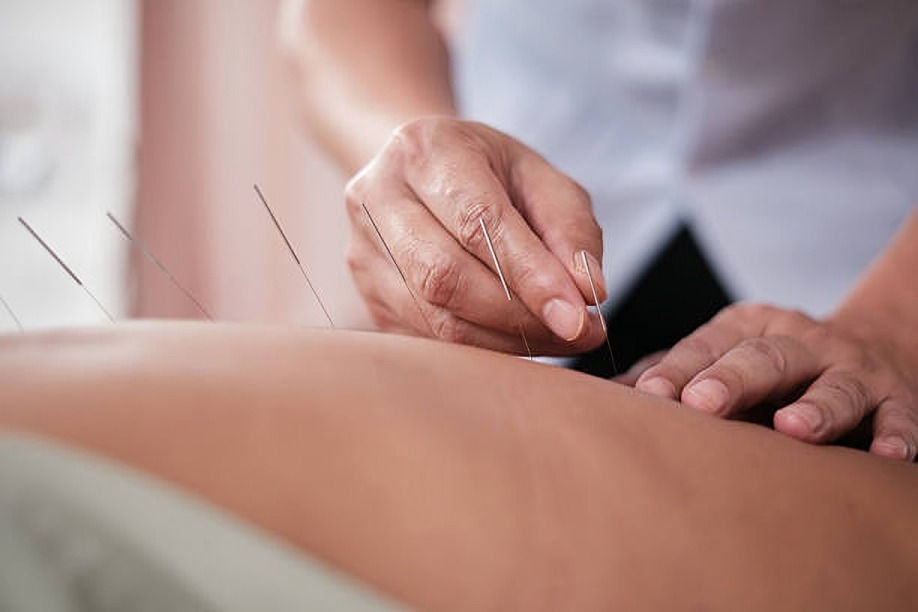
Research suggests that acupuncture can influence the autonomic nervous system, which regulates our body's stress responses. A 2023 systematic review and meta-analysis found changes in heart rate variability consistent with increased parasympathetic activity following acupuncture compared with sham acupuncture.
The parasympathetic nervous system is commonly called the “rest and digest” system, associated with relaxation and recovery. This may help explain why some patients feel deeply relaxed during acupuncture, sometimes even falling asleep on the treatment table. In Chinese medicine, acupuncture and herbal medicine are traditionally used to address patterns involving both physical and emotional symptoms.
3 acupressure points to help you relax
You can also try these simple acupressure points at home. Apply gentle pressure for approximately 30 to 60 seconds while breathing slowly.
Yin Tang, between the eyebrows: Traditionally used to calm the mind and encourage relaxation.
Pericardium 6 (PC6), Neiguan, inner forearm: Located approximately three finger widths above the wrist crease, between two tendons. Traditionally used for nausea and emotional tension.
Ear Shen Men, upper inner ear: Traditionally used to encourage relaxation and emotional balance.
These points offer a simple way to pause, breathe, and give yourself a moment of calm during a busy day.
Taking care of your mind is taking care of your body
We spend so much time thinking about what we eat, how much we exercise, and which supplements we should take. But how often do we consider the emotional environment we create within ourselves?
Taking care of your emotional health doesn't mean pretending to be happy all the time. It means recognizing when stress, worry, anger, fear, or sadness begins affecting your well-being and taking steps to restore balance. Sometimes, small changes such as getting better sleep, practicing mindfulness, exercising regularly, or simply taking a few deep breaths can make a meaningful difference.
Finding balance at Beyond Acupuncture
At Beyond Acupuncture in Dana Point, California, we provide personalized acupuncture and Chinese herbal medicine services to residents of Laguna Niguel, Dana Point, Laguna Beach, and surrounding Orange County communities. Visit BeyondAcupuncture.com to explore Chinese herbal medicine products for a variety of health concerns, learn more about our services, or schedule an acupuncture appointment.
Your mind is talking to your body every day. The question is: Are you listening?
Read more from Andrew Houn
Andrew Houn, Acupuncture for Health and Longevity
Dr. Andrew Houn is a doctor of acupuncture and Chinese herbal medicine (DACCHM), professor, and founder of the award-winning Beyond Acupuncture in Dana Point, California. His clinic serves Laguna Niguel, Dana Point, and Laguna Beach with acupuncture and Chinese herbal medicine. His specialties include pain management, longevity, fertility support, women's health, digestive disorders, neurological conditions, stress management, and post-surgical recovery. He earned his doctorate from Pacific College of Health and Science and a master's degree from South Baylo University, where he teaches. He also holds degrees from Johns Hopkins University and UC Berkeley, studied at Shanghai Jiao Tong University, and worked at UC Irvine Medical Center.







