

10 Benefits of Private Mental Performance Coaching in Youth Sport
- May 13
- 4 min read
Written by Adam Lussey, Youth Mental Performance Coach
Adam Lussey is the founder and head coach at AJL Consultancy, where he delivers high-impact Mental Performance Coaching to youth athletes of all ages, sports, and competitive levels worldwide. His innovative and holistic approach helps unlock their true sporting potential.

In youth sport, physical ability is often the first thing coaches and parents focus on. Technical development, fitness, strength, and tactical understanding all play an important role in helping young athletes improve. However, one of the most overlooked areas of development is the mental side of performance.
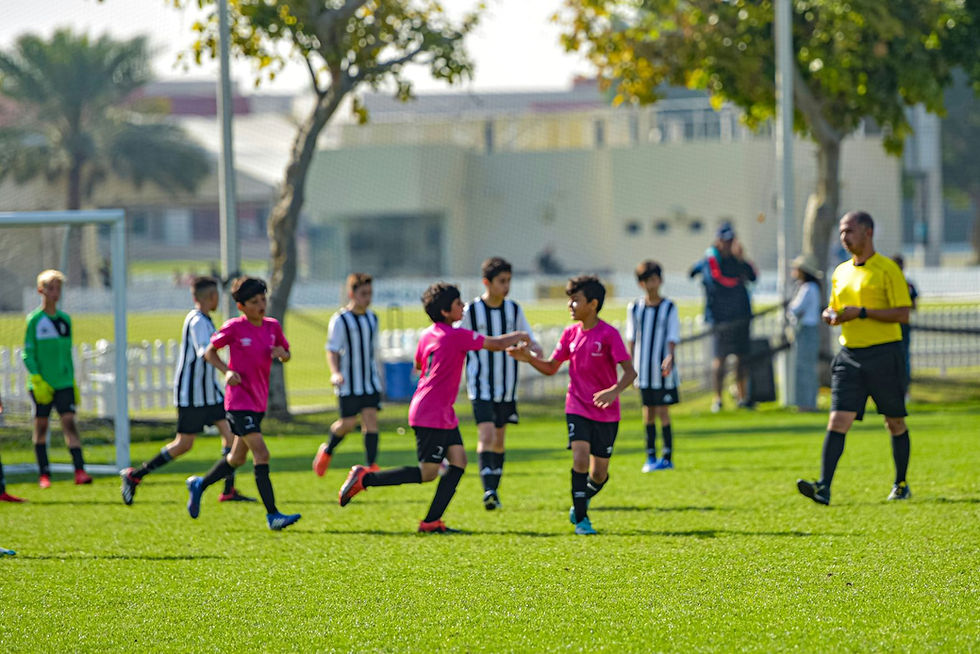
Mental performance coaching helps young athletes build the mindset, habits, and emotional skills required to perform consistently, enjoy their sport, and navigate the pressures that come with competition and development pathways.
At AJL Consultancy, we work with young athletes to help them strengthen the psychological side of performance so they can maximize both their sporting potential and personal growth.
Here are 10 key benefits of mental performance coaching in youth sport.
1. Improved confidence
Confidence is one of the biggest performance factors in youth sport. Young athletes often experience dips in belief after mistakes, poor performances, injuries, or selection setbacks.
Mental performance coaching helps athletes develop genuine self-belief, understand where confidence comes from, and build confidence through preparation and habits rather than relying purely on results.
Confident athletes are more willing to take responsibility, compete without fear of failure, and perform freely under pressure.
2. Better handling of pressure
Many talented young athletes struggle when expectations increase. Trials, academy environments, important matches, and external pressure from parents or coaches can all impact performance.
Mental coaching teaches athletes how to stay composed under pressure, control nerves and anxiety, refocus after mistakes, and perform consistently in high-pressure environments.
Learning these skills early can have a huge impact on long-term development.
3. Increased accountability and ownership
One of the most important parts of development is learning to take ownership.
Mental performance coaching encourages athletes to take responsibility for their preparation, reflect honestly on performances, build strong habits away from training, and become proactive in their development.
The most successful athletes are rarely the ones who simply rely on talent – they are the ones who consistently take ownership of their progress.
4. Improved consistency
Many young athletes can perform brilliantly one week and struggle the next.
Mental coaching helps create stable routines, better emotional control, consistent preparation habits, and stronger focus during competition.
This leads to more reliable performances over time rather than fluctuating based on confidence or emotion.
5. Greater resilience after setbacks
Every athlete will experience setbacks:
Injuries
Deselection
Poor performances
Loss of confidence
Reduced playing time
Mental performance coaching helps young athletes respond positively rather than becoming discouraged or disengaged.
Resilient athletes learn how to bounce back quicker, how to view setbacks constructively, and how to maintain motivation during difficult periods.
These lessons benefit both sport and life beyond sport.
6. Stronger mental focus and concentration
Distractions are everywhere in modern youth sport. Social media, external opinions, pressure, and comparison can all impact concentration.
Mental coaching teaches athletes how to focus on controllable factors, stay present during competition, reset attention quickly after mistakes, and maintain concentration for longer periods.
Improved focus often leads directly to improved performance.
7. Healthier relationship with mistakes
Many young athletes become fearful of making mistakes, particularly in high-performance environments. This fear can lead to playing safely, reduced creativity, hesitation, and anxiety during competition.
Mental performance coaching helps athletes understand that mistakes are part of growth and development. Learning how to respond constructively to mistakes allows athletes to play with greater freedom and confidence.
8. Enhanced communication skills
Communication is a major part of successful performance, particularly in team sports.
Mental coaching can help athletes communicate more confidently, express themselves effectively with coaches, develop leadership skills, and build stronger relationships within teams.
These communication skills often transfer positively into education, work, and everyday life.
9. Better long-term development
Youth sport should not only focus on immediate results. Long-term development is what truly matters.
Mental performance coaching helps athletes develop sustainable habits, build self-awareness, maintain motivation over time, and avoid burnout.
Athletes who enjoy the process and understand development tend to progress further in the long run.
10. A safe and confidential space to talk
One of the most valuable aspects of mental performance coaching is that it gives young athletes a safe, confidential environment to openly discuss challenges they may not feel comfortable sharing within their sporting setting. Many young athletes experience pressures that they struggle to express to their coaches or parents.
This may include confidence issues, fear of failure, anxiety around performance, frustration with playing time, difficult relationships within teams, pressure from expectations, and worries outside of sport affecting performance.
Having an independent person to speak to can be incredibly powerful. It allows athletes to communicate honestly without fear of judgment, selection consequences, or embarrassment in front of teammates.
In many cases, simply being able to openly discuss these challenges helps reduce emotional pressure and gives athletes greater clarity, perspective, and confidence moving forward.
Creating this supportive environment not only benefits performance but also supports the overall well-being and personal development of the athlete.
Final thoughts
Mental performance coaching is no longer something reserved for elite professional athletes. More parents, coaches, and organizations are recognizing the importance of developing the psychological side of performance from an early age.
Technical and physical ability may create opportunities, but mindset, habits, resilience, and emotional control are often what determine whether young athletes truly maximize their potential.
At AJL Consultancy, we are passionate about helping young athletes build the mental skills needed to thrive both in sport and in life.
Read more from Adam Lussey
Adam Lussey, Youth Mental Performance Coach
Adam Lussey helps youth athletes build strong, confident mindsets so they can thrive in sport and life. He supports young athletes in developing the mental skills needed to perform consistently and truly enjoy their sport, without stress, anxiety, or fear of failure. Working closely with athletes and their families, Adam uses practical, age-appropriate strategies to strengthen confidence, focus, emotional control, resilience, and overall well-being. His approach not only enhances athletic performance but also equips young people with valuable life skills that support their growth far beyond sport.


