

Why the Future of Mental Health Begins in Childhood
Dr. Akira D. Olsen is a licensed clinical psychologist, founder and CEO of Journey Health, and recipient of Influencer Magazine UK’s 2026 Humanitarian of the Year Award. She specializes in anxiety, attention-deficit/hyperactivity disorder (ADHD), trauma, and mental well-being, combining therapy grounded in evidence with Eastern mindfulness to support clients worldwide.

When we think about mental health, we often picture adults struggling with anxiety, depression, relationship difficulties, or emotional exhaustion. But what if we paid closer attention to the years before those struggles emerge? What if children learned to understand their emotions, manage stress, and build healthy relationships as naturally as they learn reading, mathematics, and physical education? What if parents, grandparents, and extended family members received the education and support they need to nurture children's emotional well-being?
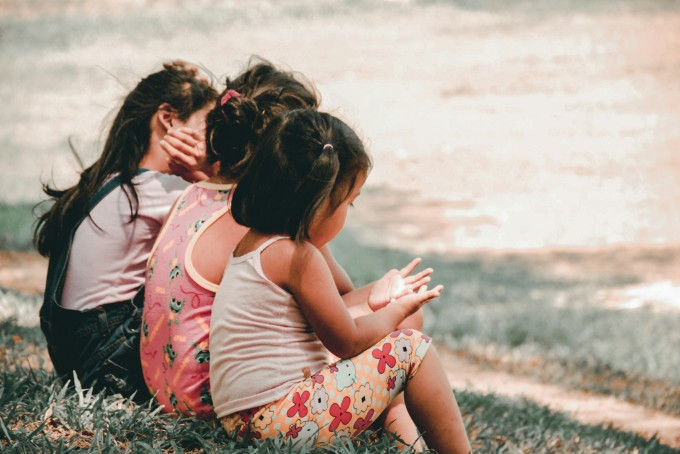
As a clinical psychologist working with children, adolescents, adults, and families, I believe we need to expand our understanding of mental health beyond treatment alone. Mental health is not something to address only when life falls apart. It is something we can nurture, learn, and practice throughout life.
Children do not develop in isolation. Their emotional well-being is shaped by their relationships with parents, grandparents, siblings, extended family, teachers, peers, and communities. That is why strengthening family relationships is not simply a parenting issue. It is a lifelong mental health priority.
Childhood experiences can shape mental health across a lifetime
Decades of research support the link between childhood adversity and adult health. The U.S. Centers for Disease Control and Prevention (CDC) defines adverse childhood experiences (ACEs) as potentially traumatic events that occur before age 18, including abuse, neglect, exposure to violence, and certain forms of household instability [1]. When children face severe or prolonged stress without enough protective support, their developing stress-response systems can be affected, with consequences that may extend into adulthood.
A 2019 CDC analysis of data from 25 U.S. states found that ACEs were associated with higher risks of depression, chronic health conditions, and socioeconomic difficulties in adulthood. Based on population-level modeling, the researchers estimated that preventing ACEs could reduce cases of adult depression by as much as 44% [2].
This does not mean that all adult mental health conditions originate in childhood or that adversity inevitably leads to mental illness. Genetics, biology, later experiences, relationships, social circumstances, and access to care shape mental health. Many children who face adversity grow into healthy, resilient adults, particularly when they have supportive relationships and appropriate resources [3].
Childhood experiences matter, but they do not have to determine a person's future. The essential lesson from ACEs research is that prevention and protective relationships deserve far more attention.
Intergenerational patterns: Why supporting parents also supports children
One important reason to invest in family mental health is the opportunity to interrupt patterns of adversity across generations.
Consider a parent who grew up in a home where emotions were dismissed, conflict meant frequent shouting, or affection was rarely expressed. As an adult, that parent may deeply love their children yet struggle to manage stress, communicate emotions, or stay calm in difficult moments. Under pressure, familiar patterns can reappear, even when the parent consciously wants to do things differently. This is one way experiences from one generation can influence the next.
But intergenerational trauma is not inevitable. Its transmission involves complex interactions among caregiver mental health, relationships, stress, socioeconomic circumstances, and each child's individual characteristics [4]. Parents can learn new ways of responding [5]. Caregivers can receive treatment for trauma, depression, anxiety, and other conditions. Families can build healthier communication, emotional regulation, and relationship skills. Children can experience nurturing relationships that differ from those of previous generations.
A parent's history may influence their parenting, but it does not have to determine their child's future. Supporting parents is not about blaming them for their children's difficulties. It is about recognizing that caregivers need education, compassion, resources, and appropriate treatment too.
The protective power of grandparents and extended families
When we discuss children's mental health, we often focus on the parent-child relationship. But families are much more than parents and children. Grandparents, aunts, uncles, adult siblings, and other trusted relatives can play meaningful roles in children's emotional development, particularly when parents are facing mental health challenges.
Imagine a mother with severe depression who finds it hard to keep up her usual routines or stay emotionally available. Or a father recovering from trauma who sometimes feels overwhelmed by everyday parenting. These parents may deeply love their children and want to provide a nurturing home. Yet without adequate support, treatment, and practical resources, their symptoms can make parts of caregiving harder.
This is where extended family can become a valuable protective resource. A grandparent might provide a predictable after-school routine, listen patiently to a child's worries, or offer reassurance during a stressful period. An aunt or uncle might help with transportation, childcare, or household tasks, giving parents room to rest and receive treatment. An older sibling or another trusted adult can offer companionship, encouragement, and a sense of belonging.
Extended family members can support children's mental health through the following:
Emotional connection. A caring adult who listens and responds consistently helps children feel understood, valued, and supported.
Stability and routine. Relatives can help maintain the everyday routines that give children a sense of predictability and security.
Reduced caregiver stress. Practical help with childcare and household responsibilities can ease the load on parents during demanding times.
Healthy relationship modeling. Children can observe respectful communication, emotional regulation, appropriate boundaries, and constructive conflict resolution across generations.
Support for treatment. Relatives can help caregivers access professional services, understand mental health conditions, and reduce stigma.
Not every extended family relationship is protective, however. Some relatives contribute to conflict, instability, or harm, so family involvement should always prioritize children's safety and healthy boundaries. When extended family support is unavailable or unsafe, teachers, mentors, and other trusted adults in the community can offer valuable relationships.
The goal is not for grandparents or relatives to replace parents or mental health professionals. It is to recognize that children and parents benefit from a wider circle of safe, informed, and caring relationships.
Mental health education should include every generation
We teach children reading, mathematics, science, and physical education because these skills prepare them for life. Why should we treat emotional and relational skills as less essential?
Mental health education can help children recognize emotions, communicate needs, manage frustration, build relationships, and seek help when necessary. These skills can be introduced in developmentally appropriate ways. A young child might learn to identify feelings through pictures, stories, or play. An elementary school student might practice expressing frustration without hurting others. A teenager might learn about emotional flexibility, social pressure, self-compassion, healthy relationships, and coping with stress. Young adults may benefit from learning about identity, financial stress, emotional boundaries, and major life transitions.
But education should not stop with young people. Parents, grandparents, and extended family members can also benefit from learning about emotional development, mental health conditions, trauma-informed communication, and supportive caregiving. A grandparent may have grown up in a generation or culture where children's emotions were rarely discussed, and mental health treatment was stigmatized. With accessible education, that grandparent can discover new ways to listen, respond with compassion, and support both children and parents. This is especially relevant in multigenerational households and in cultures where extended family members traditionally help raise children.
Mental wellness education is not just for children or parents. It is a lifelong resource for every generation.
Parenting support is a form of prevention
Parents are often expected to raise emotionally healthy children with little education about child development. They are told to set boundaries, encourage independence, support emotional expression, and manage difficult behavior, often without practical guidance on how to do any of it.
Parenting is complex. Children differ in temperament, developmental needs, abilities, and sensitivities. Families face financial pressures, cultural expectations, and competing caregiving responsibilities. Parents need support, not unrealistic expectations of perfection.
Effective parenting education helps caregivers see that a child's behavior sometimes reflects emotional distress, developmental needs, or a skill the child has not yet learned. For example, when a child melts down after school, a parent might first read it as disrespect. A more developmentally informed approach asks whether the child is tired, overstimulated, anxious, hungry, or struggling to communicate.
This does not mean removing boundaries or accepting harmful behavior. It means pairing emotional understanding with consistent, age-appropriate expectations. A parent might say:
"I can see you're frustrated. It's okay to feel angry, but it's not okay to hurt someone. Let's find another way to handle this."
Parents can also model accountability and repair:
"I raised my voice earlier. I'm sorry. I was frustrated, and I want to handle that differently next time."
Everyday moments like these teach children emotional awareness, self-regulation, accountability, and healthy communication. A healthy family is not one in which conflict never happens. It is one in which family members learn safer and more respectful ways to work through it.
Prevention and treatment must work together
Mental wellness education and positive parenting are essential, but they cannot replace professional care when it is needed.
According to the World Health Organization (WHO), about one in seven adolescents aged 10 to 19 worldwide experiences a mental disorder, and many of these conditions go unrecognized and untreated [6]. Children, adolescents, and their caregivers often face barriers to care, including cost, stigma, transportation, language, and limited availability of services [7].
When a parent is experiencing depression, anxiety, trauma-related symptoms, or another mental health condition, treatment can benefit both the parent and the caregiving environment. Research on preventive interventions for families in which a parent has a mental illness suggests they can lower children's risk of developing the same condition [8].
Likewise, children with persistent distress, trauma symptoms, or significant difficulties in daily functioning should have access to timely, evidence-based assessment and care. Depending on their needs, support may include child psychotherapy, parent-focused interventions, family therapy, school accommodations, or coordinated multidisciplinary treatment. Children with attention-deficit/hyperactivity disorder (ADHD), autism, learning differences, or other developmental conditions may benefit from individualized support that recognizes their strengths while addressing genuine challenges.
Early identification should not mean labeling normal developmental differences as disorders. It should help families understand what a child needs and reduce avoidable suffering. Prevention, education, parenting support, and clinical treatment are complementary parts of one comprehensive approach.
Strong families need strong communities
Family relationships are central to children's development, but responsibility for mental health cannot rest on families alone. Families function within larger systems, and stress in those systems flows into family life [9]. A parent working multiple jobs may have limited time and energy. A family facing housing insecurity may live with chronic stress. A child exposed to bullying, discrimination, or community violence may struggle even in a loving home. Families in underserved areas may have difficulty finding mental health professionals at all.
That is why prevention must reach beyond individual parenting. Schools can offer developmentally appropriate social-emotional learning and pathways to mental health support. Healthcare providers can identify concerns early and connect families with services. Employers and communities can support caregivers through family-friendly practices and accessible resources. Governments and nonprofits can invest in services that reduce barriers related to cost, language, transportation, and geography.
Culturally responsive approaches are especially important. Families differ in how they communicate emotions, express affection, understand mental health, and approach parenting. Effective support respects these differences while protecting children's safety, dignity, and developmental needs.
5 ways families can begin today
Meaningful prevention does not always require a complicated program. Families can start with small, practical steps.
Create everyday moments of connection. Spend a few minutes giving children your full attention. Ask about their experiences and listen without rushing to correct or solve.
Teach emotional awareness across generations. Help children and adults name feelings such as disappointment, worry, excitement, frustration, and sadness, and encourage respectful conversations about them.
Model healthy responses to stress. Children learn more from what adults do than from what they say. Show them how to pause, ask for support, apologize, and recover after difficult moments.
Strengthen supportive relationships. When safe and appropriate, involve grandparents, extended family, and other trusted adults in offering connection, encouragement, and practical help.
Support caregivers' mental health and seek professional help when needed. Encourage parents and caregivers to access education, counseling, and treatment for significant concerns. When a child's distress is persistent or interferes with daily life, seek guidance from qualified professionals.
These steps cannot prevent every mental health challenge. But they can help create more supportive environments for children and families.
A call to action: Mental wellness education for every generation
Through my work as a clinical psychologist and founder of Journey Health, I have become increasingly committed to making practical, evidence-informed mental wellness education accessible across generations and cultures. That means helping children build emotional and relational skills before difficulties become severe. It means supporting parents without shame or blame. It means recognizing the protective potential of grandparents, extended family, and other trusted caregivers. It means ensuring that individuals and families who need clinical treatment can receive it. It means addressing the social conditions that shape family well-being.
We need education and treatment, individual support and stronger relationships, evidence-based interventions and cultural understanding. I invite educators, healthcare professionals, community leaders, researchers, and policymakers to work together around three priorities:
Educate. Make practical, evidence-informed mental wellness education part of everyday learning, from childhood through adulthood.
Support. Equip parents, grandparents, and extended families with the knowledge, resources, and compassionate support to build healthy relationships across generations.
Connect. Improve access to timely, culturally responsive mental health care for children and caregivers who need professional treatment.
We cannot prevent every painful experience or guarantee a life without mental health challenges. But we can reduce preventable harm, strengthen protective relationships, and provide timely care.
Every child deserves to feel safe, supported, understood, and valued. Every parent deserves guidance and support. Every grandparent and caregiver deserves the chance to contribute to a healthier future. Every family deserves the opportunity to build healthier patterns, even when previous generations faced adversity.
Children's mental health is not only a concern for the present. It is an investment in their future relationships, education, work, physical health, and ability to lead meaningful lives. When we support children today, we help shape the adults, parents, families, and communities of tomorrow.
Mental health isn't something we address only when life falls apart. We can learn, nurture, and practice it throughout life. Building that future is a shared responsibility.
Read more from Akira D. Olsen
Akira D. Olsen, Bilingual & Bicultural Licensed Clinical Psychologist
Dr. Akira D. Olsen is a licensed clinical psychologist, a 2026 Humanitarian of the Year recipient from Influencer Magazine UK, and a 2024 Marquis Who’s Who honoree, recognized for her leadership in youth, family, and mental health care informed by trauma. As founder and chief executive officer of Journey Health and WARM Education, she integrates therapies grounded in evidence with Eastern mindfulness and holistic practices to create a deeply human, culturally grounded approach to healing. With over two decades of experience across community mental health, medical settings, schools, and private practice, she supports diverse clients ranging from adolescents and families to professionals, creatives, and global leaders. Her mission is to make psychological support accessible, compassionate, and transformative for people seeking meaningful growth and lasting well-being.
References:
Disclaimer: This article provides general mental health education and does not replace individualized clinical assessment or treatment. If you or a child in your care is in crisis, contact local emergency services or a crisis line (in the U.S., call or text 988).







