Why Recovery Is About More Than Just Sobriety – Exclusive Interview with Daniel McGowan
Daniel McGowan is a dedicated professional committed to fostering positive change in the lives of individuals and communities. He is a Certified Alcohol and Drug Counselor, Certified Interventionist, and Certified Motivational Speaker with a proven track record in support services. Daniel excels at understanding each person’s unique needs and tailoring solutions that empower individuals to thrive. His approach combines empathy, accountability, and practical strategies, ensuring that every client receives personalized support.
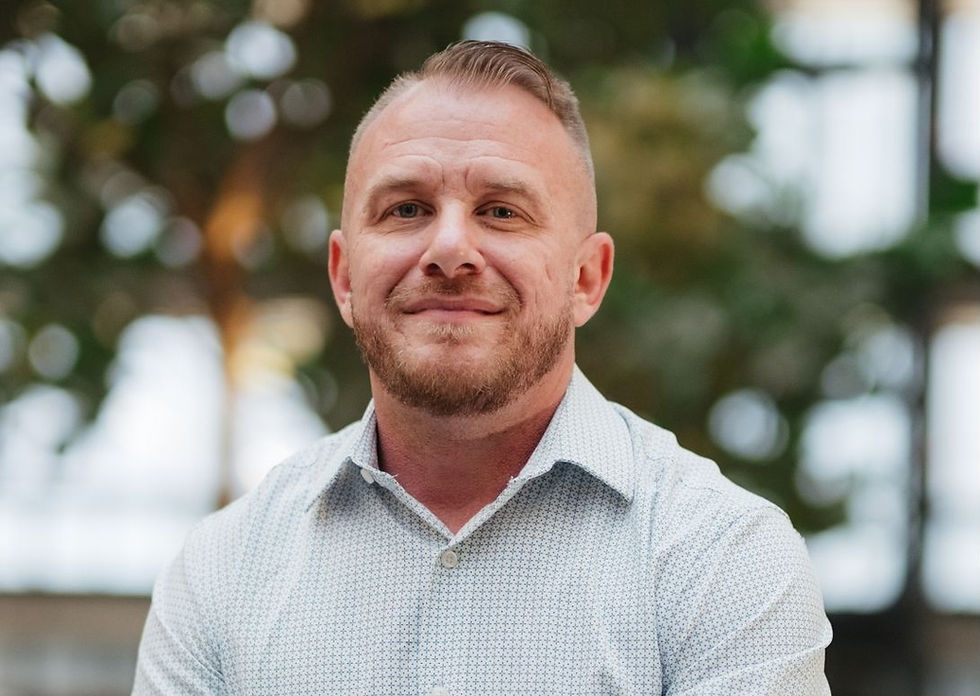
Daniel McGowan, Certified Alcohol and Drug Counselor
What first made you realize that recovery had to become more than just staying sober?
I realized recovery had to become about more than just staying sober when I recognized how many character defects were still present in my life. Sobriety isn’t just about removing alcohol or drugs, it’s about creating a life we no longer want to escape from.
I think many people struggle because they believe recovery is solely about physical dependence, when in reality the mental obsession and spiritual malady play just as crucial a role. True recovery involves changing the way a person lives, thinks, feels, and responds to life.
That’s where the term “dry drunk” comes into play. A person can be abstinent from substances yet still live with resentment, impulsivity, anger, selfishness, dishonesty, or negative thinking patterns. Recovery is about more than not using, it’s about growth, self-awareness, healing, accountability, and learning how to live life differently.
How has your own experience with homelessness, jail, and addiction changed the way people respond to you in recovery work?
My past struggles have greatly benefited me in the work I do. When I first started in the mental health and addiction field, my life experience was all I had to rely on. It gave me the ability to build rapport quickly and connect with people on a genuine level.
Unfortunately, in the behavioral health field, many clients are close-minded to working with professionals who haven’t personally experienced the same struggles they have. I say unfortunately because throughout my career I’ve met many counselors, therapists, and clinicians who are incredible at what they do, but still face resistance from clients due to a perceived lack of life experience, despite their degrees, licenses, and education. That mindset can sometimes hold a person back from fully moving forward.
For me, I’ve been fortunate enough to blend my personal experience with education and professional growth. Now, after 12 years in this field and over 15 years of my own recovery journey, I feel there is no situation, crisis, or problem I’m not equipped to face. Nothing anyone could say or do will ever shock me. I've lived it. I learned how to turn years of struggle into my greatest strength.
What does a successful intervention look like before someone actually agrees to treatment?
A successful intervention, in my opinion, does not solely depend on the individual going to treatment. Don’t get me wrong, treatment is always the ultimate goal, but it isn’t always realistic in that moment.
A strong intervention is ultimately about alignment, getting everyone on the same message, we love you, we’re concerned, and we will no longer support the addiction, but we will support your recovery. It’s not about confrontation, it’s about creating a clear, compassionate path toward change.
Never underestimate the power of planting seeds. The individual may be resistant and even combative, but a seed has still been planted. Sometimes it’s not even about planting the seed, it’s about preparing the soil, breaking it up, and getting it ready for growth when the time is right.
Where do you think the recovery industry still fails families the most?
The recovery industry often helps families, but it also has important gaps that can leave them feeling confused, overwhelmed, and unsupported. One major issue is the lack of consistent, practical education. Families are often given surface-level information about addiction but not enough guidance on boundaries, enabling, relapse expectations, or how to respond effectively in crisis situations.
Another common failure is inconsistency across providers. Families may receive different or even conflicting guidance from treatment centers, therapists, and recovery staff, which leads to confusion and inaction rather than clear direction. In addition, the industry can sometimes overpromise outcomes, leading families to believe that treatment alone guarantees lasting recovery. When relapse occurs, they are left feeling discouraged and misled.
Families are also often under-supported after their loved one enters treatment. While the focus shifts to the individual, family members are frequently left without ongoing resources or emotional support for their own healing process. Many are not prepared for what to do during relapse, how to maintain boundaries, or how to respond without reacting emotionally.
Finally, fragmented systems in mental health, addiction treatment, and medical care often force families to navigate the process on their own. At its core, the system too often expects families to heal while managing crisis without adequate tools, structure, or support.
Once I got my life together, I began to truly understand how difficult things must have been for my family during my active addiction. I remember my mother once telling me that every time the phone rang at night, she would brace herself for the worst, expecting someone to tell her, “We’re sorry, ma’am, your son is no longer with us.” She was literally preparing herself for my death.
That reality is something I carry with me today.
Addiction tears families apart in ways that are often unseen and long-lasting, while recovery has the power to slowly put those same families back together again. Healing is not just individual, it is deeply relational.
This is why I am so passionate about the family support aspect of this work. Families need education, guidance, and space to heal just as much as the individual does. When families are supported, the entire recovery process becomes stronger, more stable, and more sustainable.
Why do you believe “recovery deserves more than platitudes”?
Recovery deserves more than platitudes because addiction and healing are complex, real-life struggles that can’t be fixed with simple phrases.
Things like “easy does it” or “one day at a time” might sound supportive, but they don’t actually help someone understand what to do when things get hard and things will get hard. Recovery involves emotions, trauma, behavior changes, rebuilding trust, and learning new ways to cope with life. It takes education, support, structure, and accountability, not just encouragement.
Platitudes can also unintentionally minimize what people are going through. They can make it seem like recovery is simpler than it really is, when in reality it often involves setbacks, discomfort, and a rollercoaster of emotions.
People in recovery need more than motivation, they need guidance, honesty, and tools they can actually use. Real support means meeting someone where they are and helping them navigate the process, not just offering comforting words.
What’s one boundary families struggle the most to maintain when trying to help a loved one?
The main boundary families struggle with is not enabling while still showing love and support. My mother and father struggled with this for years, and it’s one of the reasons family support groups are so important. Families need to understand that they need healing just as much as the individual does.
Addiction impacts the entire family system. It doesn’t just affect one person, it disrupts everyone around them, leaving loved ones trying to pick up the pieces. In many ways, addiction is like a bomb going off in a family system, and everyone is left trying to rebuild in the aftermath.
Battling addiction is difficult, but loving someone who is struggling with addiction can be just as difficult, if not more so. Families are constantly pulled between fear, hope, guilt, and the desire to help, which can make boundaries extremely hard to maintain.
At its core, the struggle is this, families want to help their loved one survive, but healthy recovery often requires allowing discomfort and natural consequences to occur.
Learning the difference between love that protects and love that enables is one of the most important, and often most painful, boundary shifts a family can make. But it is also one of the most powerful steps toward real, lasting change for everyone involved.
What practical habits tend to make the biggest difference during the first year of recovery?
The first year of recovery is less about major breakthroughs and more about building simple, consistent habits that create stability and reduce chaos. One of the most important foundations is daily structure, such as maintaining a regular sleep schedule, having a basic routine, and minimizing long periods of idle time, which can increase relapse risk. Staying connected to recovery support is also critical, whether through meetings like AA, NA, SMART Recovery, or other peer support systems, along with building a small circle of sober, supportive relationships to avoid isolation. Honesty is another key habit, especially learning to be truthful about thoughts, urges, and struggles before they escalate. Accountability plays a major role as well, including working with a sponsor, therapist, or recovery coach and maintaining regular check-ins rather than only reaching out in crisis.
Early recovery also requires awareness of triggers and making adjustments to avoid high-risk people, places, or situations when necessary. Physical self-care such as sleep, nutrition, hydration, and light exercise helps restore overall health, while emotional regulation skills like journaling, grounding, and learning to sit with discomfort support long-term change. Building purpose through work, service, or helping others in recovery helps rebuild identity. Finally, having a clear relapse response plan ensures quick support if challenges arise.
How do you balance empathy with accountability when someone keeps repeating destructive patterns?
Something I learned early on is that if every client I try to help always likes me, then I’m probably not doing my job.
Meaning, sometimes the truth hurts, and part of my role is being willing to deliver that truth. I’ve seen a lot of people in this field struggle with that. They don’t want the client upset with them, but often the anger isn’t really directed at the clinician, it’s directed inward. On some level, the client knows the truth in what’s being said, and that’s what makes it uncomfortable.
The real skill is learning how to hold someone accountable while still leading with empathy. Tone of voice, body language, and timing can be just as important as the words themselves. You can say something difficult without being disrespectful or disconnected.
It’s about balance, the ability to be direct and compassionate at the same time. To be honest enough to challenge someone, but grounded enough that they still feel supported.
Sometimes the most helpful thing you can say in recovery is, “I care about you, but I can’t co-sign that thinking right now.”
After 15 years of recovery, what does “inner peace” mean to you today?
I recently published my first book titled New Perspectives: A Guide To Achieving Inner Peace In Recovery because, deep down, that is what I was always chasing. I’ve come to understand that drugs and alcohol aren’t the problem, they are the solution we found for the problem. Guilt, grief, shame, anxiety, PTSD, and emotional pain are often what we are actually trying to escape. They are terrible solutions, but for many of us, they were the only coping tools we knew at the time.
Recovery has taught me that finding healthier solutions requires going through short-term discomfort in order to achieve long-term peace. That process has allowed me to reach something I now protect at all costs, serenity and inner peace. I’ve learned I don’t have room in my life for anything or anyone that consistently takes me away from that.
To me, inner peace means being comfortable with who I am, knowing where I’ve been and where I’m going, and trusting that everything happens for a reason, even when I don’t understand it or agree with it.
It means accepting that other people’s opinions of me are none of my business, and that if I continue doing the right things for the right reasons, things will work out as they’re supposed to.
It means keeping my side of the street clean and understanding I can’t expect “me” out of other people. And most importantly, it means staying present, not stuck in the past, not anxious about the future, but grounded in the moment I’m in right now.
Read more from Daniel McGowan