

Why Making a Miserable Dancer Finish the Season Has to Go
Written by Amy Miller, Dance Wellness Mentor
Amy Miller is a renowned leader in the dance community. As a celebrated judge, mentor, and award-winning choreographer, Amy’s expertise drives success for instructors, dancers, and events alike, all while bringing wellness to a deserving community!

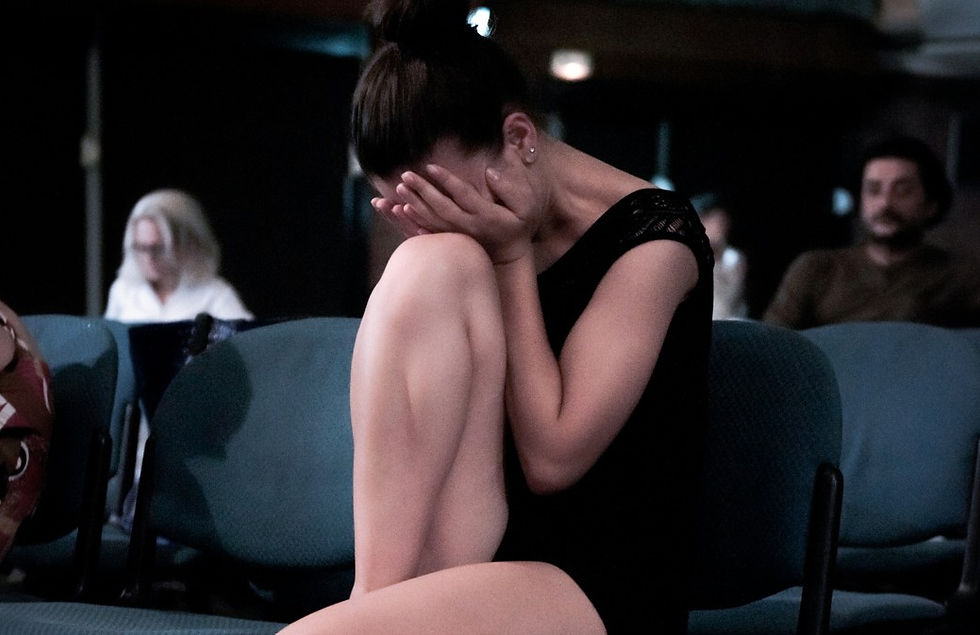
Every dance season has a moment when a dancer quietly stops enjoying it. The smiles get smaller, the energy fades, and everyone in the room can feel it. For generations, the answer has been the same: tough it out and finish what you started. But what if that advice is costing dancers, teams, choreographers, and teachers far more than it's teaching them?
The question nobody wants to answer
Would you make a dancer finish the whole season if they were miserable? Would you persuade them to stay for the entire dance year, even when they clearly don’t want to be there?
I know this might be a touchy subject in the dance world. But my answer is no. I think this is one of the most outdated beliefs in dance, and it’s time we talked about it more openly.
Reason 1: It affects everything, not just the dancer
When you make a dancer finish something they hate, they don’t want to be there, and that shows up everywhere, in how they learn, in rehearsal, backstage, and on stage. A dancer who has mentally checked out shuts down. Learning something new becomes difficult when part of them doesn’t even want to be in the room.
Then there’s the team. When a group is getting along, performing and dancing together works wonders. Whether you’re a believer in that or not, it’s what happens. You can fake part of it, but the chemistry truly shines through when dancers are working as a team on stage. And when one dancer isn’t vibing with the group, the audience, judges, and other dancers can feel it and see it.
Reason 2: The extra rehearsal is worth it
It may take an extra rehearsal to make changes once that dancer has moved on. Let me tell you, it's worth it. Formations get fixed faster, corrections land quickly, and improvement starts to compound. This is because everyone who is left in that room now shares the same passion and the same goals.
Honestly, now that things are working more smoothly, you may not even have to hold an extra rehearsal because everything can happen quicker in your regular rehearsal time.
Don’t kids need to learn not to quit?
This is the pushback I hear most. Don’t you want kids to learn not to give up? I get it. When the situation affects the whole team, the parents, the teachers, and the choreographers, it becomes detrimental and unhealthy for everyone.
And let’s get back to the most important person here. It also does real damage to the dancer pushing through to the end. I’ve seen that damage over and over.
So can we stop with the idea that finishing a whole season is a MUST? It wreaks havoc on so many people, ultimately just encouraging frustrations and disappointments to grow instead of creating the positive environment every studio is craving and promoting.
Maybe taking a step back from how much the dancer is doing is an option if they are still interested in dance. Maybe they need a boost in confidence or guidance with how they are thinking. This is one reason I’ve created Dance with Confidence and have a digital deck of cue cards, with mindset and rest/visualization being core focuses. Help your dancer with these simple exercises for growth and stability that they can have on hand anytime.
Teaching the next generation they have a choice
I want to teach younger dancers that they actually have a choice and a say. They should have a say in decisions about their lives as they grow up. If the dancer does not want to be there, let’s find something they do like, something they actually want to be a part of.
So no, I don’t hold onto this way of thinking anymore, and I’d love to know where you stand. Do you agree, or do you see it differently? Join the conversation and let me know in the comments on my Instagram video on this topic.
Find something you’re passionate about. Life is too short to be miserable.
Follow me on Instagram for more info!
Read more from Amy Miller
Amy Miller, Dance Wellness Mentor
Amy Miller’s journey from a young protégé to a professional performer has given her a deep, firsthand understanding of the physical and mental demands of the dance world. Recognizing that burnout is a silent epidemic in the industry, she has transitioned her focus toward helping dancers find the wellness answers they’ve been searching for. By bridging the gap between elite performance and biological science, Amy provides relatable, actionable strategies to help performers reclaim their vitality. Whether through mastering "limbic friction" with small habit shifts or optimizing recovery with targeted supplementation, her mission is to show that when we feel better, we perform and live better.







