When Your Body Speaks, Do You Listen?
Andrea Douala is the founder of MissDoualaFitness, a bilingual fitness and wellness brand. Her approach emphasizes nurturing every dimension of health, mind, body, and soul to help you become the best version of yourself.

Have you ever felt like your body was betraying you? You go to bed with a full plan for the next day, things to do, goals to hit, places to go. Then you wake up, and your body just, doesn’t follow. You feel heavy, sore, exhausted, anxious, or in pain. Suddenly, everything you planned feels impossible. And you think, “Great. My body ruined my day.”
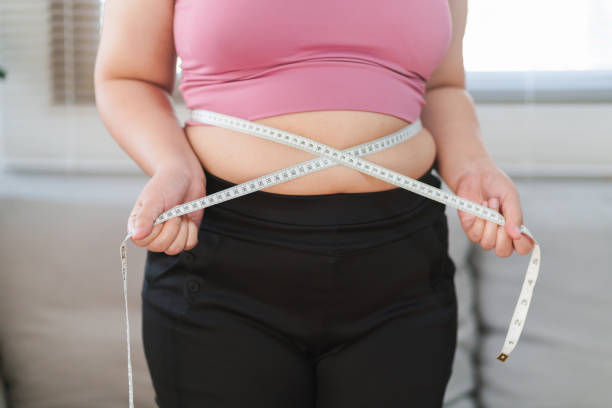
So you push anyway. You ignore the signs, force yourself through the fatigue, the cramps, the tension. And most of the time, that only leads to more pain and a longer recovery.
But what if your body isn’t failing you at all? What if it’s communicating with you?
In our fast-paced society, we usually only listen to our bodies when we’re seriously sick. The rest of the time, we treat discomfort as something to silence, override, or “power through.” But learning to listen before the breakdown might be one of the most powerful skills we can develop.
The body as a feedback system
Have you ever noticed how gentle we are with others?
When someone we love says they’re in pain, tired, or overwhelmed, our first reaction is, “Slow down. Rest. Listen to your body.” But when it comes to ourselves, we suddenly become harsh. We minimize, ignore, or fight what we feel.
Your body is a feedback system.
Hunger, fatigue, pain, tension, brain fog, cramps, these are not flaws. They are signals. They are your body’s way of saying, “Something needs attention.” They don’t exist to sabotage your plans, they exist to protect you.
Ignoring signals doesn’t make them disappear. It usually makes them louder. What starts as mild fatigue becomes exhaustion. What starts as tension becomes pain. What starts as stress becomes burnout. Listening early is not weakness, it’s intelligence.
When life moves faster than the body
Living in the 21st century offers incredible opportunities. We are more connected than ever through technology, information is instant, and individual freedom is highly valued. But this progress also comes with a cost. Modern life often means constant stimulation, pressure to perform, and little space to slow down.
If you compare this to a more traditional lifestyle from a few decades ago, life was generally more structured around community, routine, and a slower pace. Meals were more regular, movement was built into daily life, and rest was not something you had to “schedule.”
Today, fast living has normalized overworking, under-eating or chaotic eating, poor sleep, and chronic stress. The body adapts to survive, but the price is paid through symptoms, fatigue, pain, anxiety, hormonal imbalances, and metabolic issues like diabetes and cardiovascular disease. While modern medicine has made incredible advances, many of the problems it treats are rooted in lifestyles that no longer respect the body’s natural rhythm.
Relearning how to listen
When you don’t take time to pause, to eat, sleep, rest, or be with people you love, your body will eventually force you to. Rest should not only happen after a breakdown. It should be a regular habit. Just like you schedule meetings, work shifts, and responsibilities, you also have to schedule time for yourself.
One of the biggest barriers is guilt. We feel guilty for resting, slowing down, or doing “nothing.” But rest is not laziness, it’s maintenance. Your body needs movement, but it also needs recovery. Movement shouldn’t be limited to going from your bed to your car to your workplace and back. It should be intentional and integrated into your life.
Simple habits make a difference. Park a little farther to get more steps in, take the stairs instead of the elevator, stretch when you wake up or before bed. When you eat, try to eat without distractions. If you have a 30-minute break, take the full 30 minutes. Step away from your desk, put your phone down, and be present with your food, and maybe with the people around you.
Relearning how to listen to your body isn’t easy in a fast world. But it’s worth it. And like everything else in health, it’s not about perfection, it’s about consistency.
Not broken, just unheard
The takeaway from this article is simple. Health is not about controlling your body. It’s not just the absence of disease. Not having a diagnosis doesn’t automatically mean you are healthy. Health is physical, mental, emotional, spiritual, and deeply connected to your lifestyle. All of these pillars must work together to truly support your well-being.
Your body is not your enemy. It is not working against you. It is always trying to protect you, guide you, and keep you alive. The problem is not that your body isn’t speaking, it’s that we’ve forgotten how to listen.
Read more from Andrea Douala
Andrea Douala, Certified Personal Trainer and Nutrition Coach
Andrea Douala is a certified personal trainer and nutrition coach passionate about inspiring others to embrace the joys of healthy living. As the founder of MissDoualaFitness, a bilingual small business offering services in both French and English, she is dedicated to making fitness and wellness accessible to everyone. No matter how busy life gets, Andrea believes that your health is your greatest strength. With her holistic approach, she empowers clients to create sustainable and meaningful changes that are unique to them.