What You Need To Know About Concussions And POTS
Written by: Dr. Marcia Perretto, Executive Contributor
Executive Contributors at Brainz Magazine are handpicked and invited to contribute because of their knowledge and valuable insight within their area of expertise.

If you're grappling with the aftermath of a concussion or battling the complexities of Postural Orthostatic Tachycardia Syndrome (POTS), know that you're not alone in this journey.
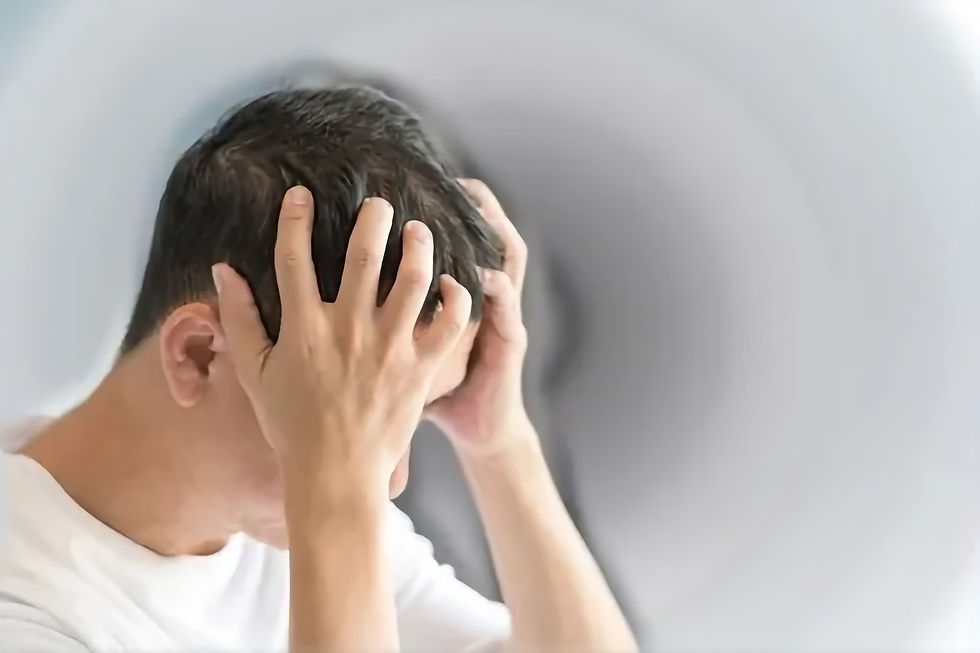
There's hope and understanding, and that's what we're here to offer in this blog.
Today, let's delve into the intricate connection between concussions and POTS, shedding light on how concussions can potentially lead to the development of POTS and providing valuable insights to aid your understanding and management of these conditions.
Understanding POTS: Unveiling the complexities
Orthostatic Tachycardia Syndrome, commonly known as POTS, is a multifaceted condition that disrupts the body's autonomic nervous system. This dysfunction results in an abnormal heart rate response to changes in posture, often leading to symptoms like dizziness, fainting, and debilitating fatigue. POTS can significantly impact daily life, making simple tasks challenging and diminishing overall quality of life.
The link between concussion and POTS development: Connecting the do
Disruption of autonomic regulation
At the heart of this connection lies the autonomic nervous system (ANS), the silent orchestrator of vital bodily functions. Think heart rate, blood pressure, and digestion – all meticulously controlled without conscious effort. However, concussions can disrupt this delicate balance, throwing the ANS into disarray. Following a concussion, dysregulation within the ANS may occur, impairing its ability to maintain homeostasis. This disruption lays the groundwork for the development of POTS, particularly in those predisposed to autonomic dysfunction.
Orthostatic intolerance
Imagine standing up and feeling like the world is spinning around you – a sensation all too familiar for those with POTS. Orthostatic intolerance, marked by symptoms of dizziness, light-headedness, and fainting upon standing, is a hallmark feature of the syndrome. However, for individuals recovering from a concussion, this intolerance can be exacerbated. Concussions heighten sensitivity to changes in posture, amplifying symptoms of orthostatic intolerance. As individuals transition from lying down to standing, the stage is set for the development of POTS, with each shift in position exacerbating the body's struggle to maintain equilibrium.
Vascular dysfunction
Concussions have far-reaching effects, extending their reach to vascular function.
The regulation of blood flow is critical for ensuring adequate perfusion to organs and tissues, especially during postural changes. However, concussions may induce changes in blood flow regulation, disrupting vascular function. In individuals predisposed to POTS, these vascular alterations can further contribute to orthostatic intolerance and abnormal heart rate responses characteristic of the syndrome. It's a tangled web where each vascular alteration amplifies the challenges posed by POTS.
Neuroinflammation and neural circuit dysfunction
Following a concussion, neuroinflammatory processes may ensue, casting a shadow over neural circuits involved in autonomic control. This neuroinflammation perpetuates dysfunction within the autonomic nervous system, fostering an environment conducive to the development of POTS symptoms. Disruption of neural circuits governing autonomic regulation leads to aberrant responses to postural changes, exacerbating orthostatic intolerance observed in individuals with POTS. It's a vicious cycle where inflammation begets dysfunction, further complicating the clinical picture.
Chronic pain and fatigue
Chronic pain and fatigue, the silent companions of concussions and POTS, cast a shadow over daily life. For individuals recovering from a concussion, persistent headaches, neck pain, and generalized body aches are all too common, contributing to the burden of chronic pain.
Similarly, those with POTS grapple with widespread pain and debilitating fatigue, further diminishing their quality of life.
It's a symphony of suffering where each note resonates with the next, amplifying the challenges faced by individuals navigating the complexities of both conditions simultaneously.
In essence, the journey from concussion to POTS is fraught with challenges, each layer adding depth to the complexity of these conditions. Yet, understanding the intricate link between concussions and POTS is the first step toward effective management and support.
With compassion, knowledge, and tailored care, we can navigate this journey together, empowering individuals to reclaim their quality of life despite the hurdles along the way.
Embracing your path at ActifyPT
At ActifyPT, we recognize the challenges that come with navigating the complexities of concussions and POTS. We're here to provide comprehensive support tailored to your unique needs, offering not just treatment but empathy and understanding.
Our holistic approach is designed to empower you as you navigate the journey from concussion to POTS, helping you manage symptoms and improve your quality of life with confidence.
Remember, you don't have to face this journey alone. Together, we can work towards reclaiming your vitality and enthusiasm for life.
If traditional approaches have left you feeling hard done by, reach out to us. Let's collaborate to chart a path forward toward a brighter, more fulfilling future.
Follow me on Facebook, Instagram, LinkedIn, Twitter, and Youtube, or visit my website for more info!
Dr. Marcia Perretto, Executive Contributor Brainz Magazine
Dr. Marcia C. Perretto is a Doctor of Physical Therapy, Certified Orthopedic Manual Therapist, with advanced training in movement sciences, Lymphedema, Health Coaching and Nutrition, Yoga Therapy, and Redcord®. She is the founder and CEO of ActifyPT, a highly specialized clinic that focuses on the treatment of those who present with joint hypermobility and Ehlers-Danlos Syndromes and its comorbidities like Dysautonomia, Mast Cell Activation Disorder, and Autonomic dysfunction – Vagus Nerve dysregulation. Dr. Perretto is the co-author of the book Unlocking the Secrets to the Hypermobility Puzzle.