Twelve Nutr’isms of Christmas – 12 Ways to Health-Up Your Christmas Meals
Updated: Dec 5, 2025
Written by Kate Taylor, Registered Nutritionist
Kate is a Registered Nutritionist and the Founder of Eat Drink Think Nutrition Limited. Kate supports systemic health & wellness through pesonalised nutrition, diet and lifestyle strategies & recommendations, and particularly specialises in Brain health, cognitive function and Dementia risk-avoidance.

The holiday season is rich with celebration, flavour, and tradition, but it can also be a time when our eating habits drift far from what the brain and body truly need. In this article, discover 12 simple yet powerful nutrition strategies to boost your festive meals, support cognitive health, and enjoy Christmas with more balance, energy, and well-being.
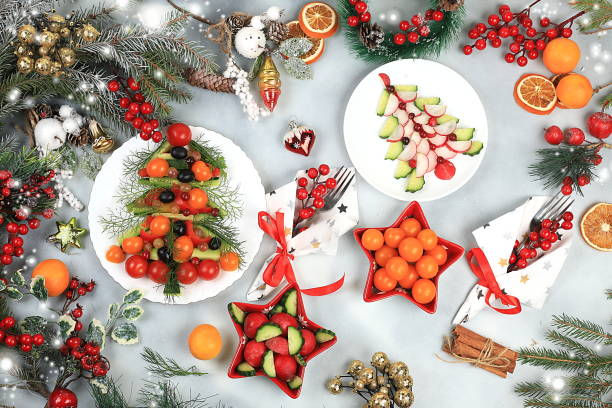
Add beneficial essential Omega-3 foods to your festive meals. In many European cultures, smoked salmon or śledzie feature amongst a smörgåsbord of oily fish, so could be a novel Brain-enhancing appetiser. (If oily fish is not to your taste, other sources of essential Omega fats include avocado, chia and flax seeds, olives, nuts if not allergic, and dentition can manage.) Beneficial Omega fats are anti-inflammatory, support the composition, structure, and function of the Brain, and contribute to the production of Ketones, an alternative Brain fuel to glucose without the accompanying blood sugar spike. If your meal is carbohydrate-rich, adding a beneficial fat also helps ‘buffer’ the rapid absorption of sugar (and subsequent blood sugar spike, which may induce sleepiness), so it’s a win-win for blood sugar balancing and Brain health.
Chocolate at Christmas? No problem, but make it cacao-rich. Whether it appears in your Christmas shoe/stocking, or you are gifted it under the Christmas Tree, chocolate with 85% (or greater) cacao content is beneficial for your Brain health since it may support blood flow to the Brain, Brain Neurone{1} maturity, and help optimise memory and mood.
Frolic fibre into your Christmas meals. Soluble and insoluble fibres are useful for regulating Neuroinflammation (a potential trigger for β-Amyloid plaque development, a hallmark of Alzheimer’s Dementia) and optimising gut health, and we know from the gut-brain axis that the two are integrally linked. A couple of easy ways to introduce festive fibre might be to forego peeling potatoes, bejewel your meals with a pinch of pomegranate (this may also contribute to improved visual memory), or dust a teaspoon of ground flax seeds into your Christmas meals.
It is wise to keep learning over Christmas. Often, this time of year, with its dark nights and chill-tinged days, is more typically associated with Hygge. However, as much as our Brain needs a rest, it also needs appropriate stimulation to support cognitive reserve and Neuroplasticity, key cornerstones to a Dementia risk-avoidance healthspan. So whether it’s dusting off the board games, musical instruments, language-learning devices, or spontaneously acquiring a new skill, nurture your Brain’s alacrity over Christmas.
Christmas Cracker: Choline-rich foods in your festive meals. Choline may confer important support for Neuron structure and messaging. Wise Choline choices include meat and poultry (beef, chicken, and turkey being the Choline-richest), but if you are a vegetarian, then eggs, broccoli, beans, quinoa, and lentils are also sources of Choline.
Ask Babbo Natale / Jultomten / Père Noël / Sinterklaas / Santa Claus to swap your Christmas dessert condiment from brandy butter, cream, custard (Crème Anglaise), or ice cream to kefir or probiotic yoghurt. Kefir and ‘live’ probiotic yoghurt contain beneficial bacteria which support and optimise gut microbiome diversity. What’s good for the gut is generally beneficial for the Brain, and this swap also reduces the sugar content in your festive dessert, so it’s a win-win for health all around. (If you are intolerant to dairy, you could subtly include a prebiotic or probiotic food in your meal instead, such as asparagus, onions, oats, or sauerkraut, or have a glass of kombucha, mindful of the sugar content, as an alternative bubbly Christmas drink.)
Hail the Cephalic Phase of digestion. This is the first stage of digestion, which has the potential to set up the digestive process from head to toe. It involves being present in the moment with your food, seeing it, smelling it, touching it, and, importantly, taking your time to chew it. Chewing is also useful for supporting Brain function and reaction times and for gently generating brain-derived neurotrophic Factor, a naturally derived protein supporting the growth, plasticity, and survival of Brain neurons. So if you are the person preparing the Christmas meals, however arduous chopping vegetables may seem take comfort (and be a little bit smug) from the fact that this process is contributing to your digestive comfort, (and you can tell your guests that chopping certain vegetables shortly before cooking also increases their nutrient bioavailability, so you’re giving everyone’s health an extra Christmas present).
Deck your plate with boughs of dark green leafy vegetables! Cruciferous vegetables, broccoli, Brussels sprouts, cauliflower, and kale confer benefits to Brain health through their nutrient density, they host anti-inflammatory properties, support oxygenated blood circulation to the Brain, and are rich in neuroprotective phytochemicals. So, 'go green with abundance' and embrace the sprinkling of festive colour to your Christmas meals.
Encourage the Elves to introduce Brain-friendly Kitchen Hygiene practices by minimising plastic food storage units and Electromagnetic Field ‘mobile’ device exposure whenever possible, instead, use the festive season as an opportunity to talk rather than text. Filtering clean air (minimising artificial fumes & scents) in your cooking and living environment will also support your Brain’s cognitive function over the festive period and beyond.
Jingle to a bit of gentle movement in your Christmas festivities to amplify cognition-supporting Brain Derived Neurotrophic Factor generated by exercise. This is nicely supported by resistance exercise, so if your mobility permits, carry the platters of food from the preparation area to the table. Other movements include dancing to the most unashamedly festive music you can find (taking care not to disturb or overturn any food or liquids on surfaces) or having a walk between meals. (If you are so inclined, accompany dancing with unabashed Christmassy singing since music & singing are beneficial for Vagal tone and Dementia risk-avoidance alike.)
Decorate your food with a splash of Extra Virgin Olive Oil. This condiment is hugely influential in the Mediterranean diet, and it bestows considerable health benefits for the brain, it supports neuron function and longevity, it is potently anti-inflammatory, and its beneficial fat content supports the integrity of Brain structure and blood-brain barrier robustness. It may also benefit gut health by potentially exhibiting a probiotic effect on the gut microbiome, beneficial species of bacteria, and supporting mucosal immunity (studies differ slightly, but it is estimated that 70-80% of our immune cells reside in our gut).
It’s only a few more sleeps to Christmas, but try to maintain circadian rhythm consistency, quality sleep, and finish eating two to three hours before going to sleep. Achieving restorative sleep is vital for Brain detoxification, function, and cognitive decline risk-avoidance, but this is made more difficult when the stomach is full, since efficient digestion may be harder to achieve when trying to sleep horizontally on a full stomach. Gravity doesn’t support digestion as efficiently in this position.
Please note that these are general recommendations for ways you can increase the nutritional balance, richness, and value of your festive meals. They are not personalised, and they are not tailored to include recommendations for any existing health imbalances or medical conditions. In these cases, if you have a health or medical condition that needs specific nutritional management and requirements, please consult a medical professional and/or a Nutritionist/Dietitian expert.
Read more from Kate Taylor
Kate Taylor, Registered Nutritionist
Kate is an advocate of proactive and preventative healthcare through optimising and personalising the basics, nutrition, diet, and lifestyle. Kate's experiences watching those around her develop and decline from Dementia instilled in her a mindset of 'prevention is better than cure' and that, particularly when it comes to Brain health and Dementia risk-avoidance, the perception 'false hopelessness' should not triumph over health optimism. Whilst sensitive to the fact that Brain health and Dementia risk-avoidance is multifaceted and cannot be solely addressed by nutrition, Kate's professional nutritional aspiration is to empower & inspire people that diet and lifestyle are integral foundations to health, healthspan, and importantly, Brainspan.
References:
[1] The specific name of cells in the Brain.
Abtin, S., Seyedaghamiri, F., Aalidaeijavadi, Z., et.al. (2024) A review on the consequences of molecular and genomic alterations following exposure to electromagnetic fields: Remodeling of neuronal network and cognitive changes. Brain Research Bulletin. https://doi.org/10.1016/j.brainresbull.2024.111090
Agarwal, P., Leurgans, S.E., Agrawal, S., et.al. ((2023) Association of Mediterranean-DASH Intervention for Neurodegenerative Delay and Mediterranean Diets With Alzheimer Disease Pathology. Neurology. doi:10.1212/WNL.0000000000207176
BaHammam, A.S., and Pirzada, A. (2023) Timing Matters: The Interplay between Early Mealtime, Circadian Rhythms, Gene Expression, Circadian Hormones, and Metabolism-A Narrative Review. Clocks Sleep. doi: 10.3390/clockssleep5030034
Beveridge, J., Montgomery, A., and Grossberg, G. (2025) Intermittent fasting and neurocognitive disorders: What the evidence shows. The Journal of Nutrition, Health and Aging. https://doi.org/10.1016/j.jnha.2025.100480
Best-Rogowski, C., Bredell, C., Shi, Y., et.al. (2025) Long-term air pollution exposure and incident dementia: a systematic review and meta-analysis. The Lancet Planetary Health. https://www.thelancet.com/journals/lanplh/article/PIIS2542-5196(25)00118-4/fulltext
Bhardwaj, K., Najda, A., Sharma, R., et.al. (2022) Fruit and Vegetable Peel-Enriched Functional Foods: Potential Avenues and Health Perspectives. Evid Based Complement Alternat Med. doi: 10.1155/2022/8543881Breit, S., Kupferberg, A., Rogler, G., et.al. (2018) Vagus Nerve as Modulator of the Brain–Gut Axis in Psychiatric and Inflammatory Disorders. Front. Psychiatry. doi: 10.3389/fpsyt.2018.00044Chen, H., Iinuma, M., Onozuka, M., et.al. (2015) Chewing Maintains Hippocampus-Dependent Cognitive Function. Int J Med Sci. doi: 10.7150/ijms.11911Chung, N., Bin, Y.S., Cistulli, P.A., et.al. (2020) Does the Proximity of Meals to Bedtime Influence the Sleep of Young Adults? A Cross-Sectional Survey of University Students. Int J Environ Res Public Health. doi: 10.3390/ijerph17082677Coelho-Junior, H., Marzetti, E., Calvani, R., et.al. (2020). Resistance training improves cognitive function in older adults with different cognitive status: a systematic review and Meta-analysis. Aging & Mental Health. https://doi.org/10.1080/13607863.2020.1857691
Colella, M., Charitos, I.A., Ballini, A., et/al. (2023) Microbiota revolution: How gut microbes regulate our lives. World J Gastroenterol. doi: 10.3748/wjg.v29.i28.4368Daly, T. (2024) The iceberg of dementia risk: empirical and conceptual arguments in favor of structural interventions for brain health. Cerebral Circulation – Cognition and Behaviour. https://doi.org/10.1016/j.cccb.2023.100193Derbyshire E. (2019) Could we be overlooking a potential choline crisis in the United Kingdom?. BMJ Nutrition, Prevention & Health. https://doi.org/10.1136/bmjnph-2019-000037Desai, D., Momin, A., Hirpara, P., et.al. (2024) Exploring the Role of Circadian Rhythms in Sleep and Recovery: A Review Article. Cureus. doi: 10.7759/cureus.61568Dighriri, I.M., Alsubaie, A.M., Hakami, F.M., et.al. (2022) Effects of Omega-3 Polyunsaturated Fatty Acids on Brain Functions: A Systematic Review. Cureus. doi: 10.7759/cureus.30091Ezzati, A., and Pak, V.M. (2023) The effects of time-restricted eating on sleep, cognitive decline, and Alzheimer's disease. Experimental Gerontology. https://doi.org/10.1016/j.exger.2022.112033Fabbri, A.D.T., and Crosby, G.A. (2016) A review of the impact of preparation and cooking of the nutritional quality of vegetables and legumes. https://doi.org/10.1016/j.ijgfs.2015.11.001Fazlollahi, A., Motlagh-Asghari, K., Aslan, C., et.al. (2023) The effects of olive oil consumption on cognitive performance: a systematic review. Front Nutr. doi: 10.3389/fnut.2023.1218538Gamble, L.D., Clare, L., Opdebeeck, C., et.al. (2025) Cognitive reserve and its impact on cognitive and functional abilities, physical activity and quality of life following a diagnosis of dementia: longitudinal findings from the Improving the experience of Dementia and Enhancing Active Life (IDEAL) study, Age and Ageing, https://doi.org/10.1093/ageing/afae284Gecegelen, E., Ucdal, M., and Dogu, B.B. (2025) A novel risk factor for dementia: chronic microplastic exposure. Front Neurol. doi: 10.3389/fneur.2025.1581109He, Z., Xu, H., Li, C., et.al. (2023) Intermittent fasting and immunomodulatory effects: A systematic review. Front Nutr. doi: 10.3389/fnut.2023Hill, N.L., Kolanowski, A.M., and Gill, D.J. (2011) Plasticity in Early Alzheimer's Disease: An Opportunity for Intervention. Top Geriatr Rehabil. doi: 10.1097/tgr.0b013e31821e588eHuang, L., Zhao, C., Gao, M, et.al. (2024) Associations of vegetable and fruit intake with cognitive function and its decline: Two longitudinal studies. The Journal of Nutrition, Health and Aging. https://doi.org/10.1016/j.jnha.2024.100223Ioniță-Mîndrican, C.B., Ziani, K., Mititelu, M., et.al. (2022) Therapeutic Benefits and Dietary Restrictions of Fiber Intake: A State of the Art Review. Nutrients. doi: 10.3390/nu14132641Jensen, N.J., Wodschow, H.Z., Nilsson, M., et.al. (2020) Effects of Ketone Bodies on Brain Metabolism and Function in Neurodegenerative Diseases. Int J Mol Sci. (2020). doi: 10.3390/ijms21228767Kamoga, R., Rukundo, G.Z., Kalungi, S., et.al. (2024) Vagus nerve stimulation in dementia: A scoping review of clinical and pre-clinical studies. AIMS Neurosci. doi: 10.3934/Neuroscience.2024024Kivimäki, M., Walker, K.A., Pentti, J., et.al. (2021) Cognitive stimulation in the workplace, plasma proteins, and risk of dementia: three analyses of population cohort studies. BMJ. doi:10.1136/bmj.n1804Lamport, D.J., Christodoulou, E., and Achilleos, C. (2020) Beneficial Effects of Dark Chocolate for Episodic Memory in Healthy Young Adults: A Parallel-Groups Acute Intervention with a White Chocolate Control. Nutrients. doi: 10.3390/nu12020483Lee, D., Lee, V.M., and Hur, S,K. (2022) Manipulation of the diet-microbiota-brain axis in Alzheimer's disease. Front Neurosci. doi: 10.3389/fnins.2022Ma, T.S.M., Hasegawa, Y., Khaing, A.M.M., et.al. (2023) The relationships between mastication and cognitive function: A systematic review and meta-analysis. Japanese Dental Science Review. https://doi.org/10.1016/j.jdsr.2023.10.001Marzola, P., Melzer, T., Pavesi, E., et.al. (2023) Exploring the Role of Neuroplasticity in Development, Aging, and Neurodegeneration. Brain Sci. doi: 10.3390/brainsci13121610Millman, J.F., Okamoto, S., Teruya, T., et.al. (2021) Extra-virgin olive oil and the gut-brain axis: influence on gut microbiota, mucosal immunity, and cardiometabolic and cognitive health. Nutr Rev. doi: 10.1093/nutrit/nuaa148
Miranda, M., Morici, J.F., Zanoni, M.B., and Bekinschtein, P. (2019). Brain. Front. Cell. Neurosci. Brain-Derived Neurotrophic Factor: A Key Molecule for Memory in the Healthy and the Pathological. doi: 10.3389/fncel.2019.00363Misawa-Omori, E., Okihara, H., Ogawa, T., et.al. (2023) Reduced mastication during growth inhibits cognitive function by affecting trigeminal ganglia and modulating Wnt signaling pathway and ARHGAP33 molecular transmission. Neuropeptides. https://doi.org/10.1016/j.npep.2023.102370Morris, M.C., Wang, Y., Barnes, L.L., et.al. (2017) Nutrients and bioactives in green leafy vegetables and cognitive decline – a Prospective study. Neurology. https://doi.org/10.1212/WNL.0000000000004815Nazir, Z., Habib, A., Ali, T., et.al. (2023) The unknown risks of scented candles! what science has to say: an editorial. Ann Med Surg (Lond). doi: 10.1097/MS9.0000000000001524Nehlig, A. (2013) The neuroprotective effects of cocoa flavanol and its influence on cognitive performance. Br J Clin Pharmacol. doi: 10.1111/j.1365-2125.2012.04378.xNihart, A.J., Garcia, M.A., El Hayek, E. et al. (2025) Bioaccumulation of microplastics in decedent human brains. Nat Med. https://doi.org/10.1038/s41591-024-03453-1Niu, Y-Y., Yan, H-Y., Zhong, J-F., et.al. (2025) Association of dietary choline intake with incidence of dementia, Alzheimer disease, and mild cognitive impairment: a large population-based prospective cohort study. The American Journal of Clinical Nutrition. https://doi.org/10.1016/j.ajcnut.2024.11.001Nowak, W., and Jeziorek, M. (2023) The Role of Flaxseed in Improving Human Health. Healthcare (Basel). doi: 10.3390/healthcare11030395Okada, K., Kurita, A., Takase, B., et.al. (2009) Effects of Music Therapy on Autonomic Nervous System Activity, Incidence of Heart Failure Events, and Plasma Cytokine and Catecholamine Levels in Elderly Patients With Cerebrovascular Disease and Dementia. International Heart Journal. https://doi.org/10.1536/ihj.50.95Poly, C., Massaro, J.M., Seshadri, S., et.al. (2011) The relation of dietary choline to cognitive performance and white-matter hyperintensity in the Framingham Offspring Cohort. The American Journal of Clinical Nutrition. https://doi.org/10.3945/ajcn.110.008938Porras-García, E., Fernández-Espada Calderón, I., Gavala-González, J., et.al. (2023) Potential neuroprotective effects of fermented foods and beverages in old age: a systematic review. Front Nutr. doi: 10.3389/fnut.2023.1170841Reddy, O.C., and van der Werf, Y.D.. (2020) The Sleeping Brain: Harnessing the Power of the Glymphatic System through Lifestyle Choices. Brain Sci. doi: 10.3390/brainsci10110868Shin, J.H., Chong-Su, K., Cha, J. (2022) Consumption of 85% cocoa dark chocolate improves mood in association with gut microbial changes in healthy adults: a randomized controlled trial. The Journal of Nutritional Biochemistry. https://doi.org/10.1016/j.jnutbio.2021.108854Siddarth, P., Zhaoping, L, Miller, K.J., et.al. (2020) Randomized placebo-controlled study of the memory effects of pomegranate juice in middle-aged and older adults. The American Journal of Clinical Nutrition. https://doi.org/10.1093/ajcn/nqz241Smith, L., Pizzol, D., López Sánchez, G.F. et al. (2022) Association between cooking fuels and mild cognitive impairment among older adults from six low- and middle-income countries. Sci Rep. https://doi.org/10.1038/s41598-022-17216-wTada, A., and Miura, H. (2017) Association between mastication and cognitive status: A systematic review. Arch Gerontol Geriatr. doi: 10.1016/j.archger.2016.12.006Tanprasertsuk, J., Scott, T.M., Barbey, A.K., et.al. (2021) Carotenoid-Rich Brain Nutrient Pattern Is Positively Correlated With Higher Cognition and Lower Depression in the Oldest Old With No Dementia. Front. Nutr. 8:704691. doi: 10.3389/fnut.2021.704691Tessier, A., Cortese, M., Yuan, C., et.al. (2024) Consumption of Olive Oil and Diet Quality and Risk of Dementia-Related Death. JAMA Netw Open. doi:10.1001/jamanetworkopen.2024.10021Ubeda, C., Vázquez-Carretero, M.D., Luque-Tirado, A., et.al. (2022) Fecal Volatile Organic Compounds and Microbiota Associated with the Progression of Cognitive Impairment in Alzheimer's Disease. Int J Mol Sci. doi: 10.3390/ijms24010707Vidyanti, A.N., Rahmawati, F., Rahman, R.H., et.al. 2025. The Journal of Prevention of Alzheimer’s Disease. Lifestyle interventions for dementia risk reduction: A review on the role of physical activity and diet in Western and Asian Countries. https://doi.org/10.1016/j.tjpad.2024.100028
Giridharan, V.V., Barichello De Quevedo, C.E., and Petronilho, F. (2022) Microbiota-gut-brain axis in the Alzheimer's disease pathology - an overview. Neuroscience Research. https://doi.org/10.1016/j.neures.2022.05.003Wen, J., Satyanarayanan, S.K., Li, A., et.al. (2024) Unraveling the impact of Omega-3 polyunsaturated fatty acids on blood-brain barrier (BBB) integrity and glymphatic function. Brain, Behaviour and Immunity. https://doi.org/10.1016/j.bbi.2023.10.018Wiertsema, S.P., van Bergenhenegouwen, J., Garssen, J., et.al. (2021) The Interplay between the Gut Microbiome and the Immune System in the Context of Infectious Diseases throughout Life and the Role of Nutrition in Optimizing Treatment Strategies. Nutrients. doi: 10.3390/nu13030886Wood, A.H.R., Chappell, H.F., and Zulyniak, M.A. (2022) Dietary and supplemental long-chain omega-3 fatty acids as moderators of cognitive impairment and Alzheimer’s disease. https://doi.org/10.1007/s00394-021-02655-4Yamagishi, K., Maruyama, K., Ikeda, A., et.al. (2023) Dietary fiber intake and risk of incident disabling dementia: the Circulatory Risk in Communities Study. Nutr Neurosci. doi: 10.1080/1028415X.2022.2027592Yamasaki, T. (2023) Preventive Strategies for Cognitive Decline and Dementia: Benefits of Aerobic Physical Activity, Especially Open-Skill Exercise. Brain Sci. doi: 10.3390/brainsci13030521Yang, W., Wang, J., Dove, A., et.al. (2024) Association of cognitive reserve with the risk of dementia in the UK Biobank: role of polygenic factors. Br J Psychiatry. doi: 10.1192/bjp.2024.13Yin, Y., Martínez, R., Zhang, W., et.al. (2024) Crosstalk between dietary pomegranate and gut microbiota: evidence of health benefits. Crit Rev Food Sci Nutr. doi: 10.1080/10408398.2023.2219763Zeli, C., Lombardo, M., Storz, M.A., et.al. (2022) Chocolate and Cocoa-Derived Biomolecules for Brain Cognition during Ageing. Antioxidants (Basel). doi: 10.3390/antiox11071353Zhang, F., Fan,D., Hunag, J-L., et.al. (2022) The gut microbiome: linking dietary fiber to inflammatory diseases. Medicine in Microecology. https://doi.org/10.1016/j.medmic.2022.100070
Ziaei, S., Mohammadi, S., Hasani, M., et.al. 2024. Nutr Neurosci. A systematic review and meta-analysis of the omega-3 fatty acids effects on brain-derived neurotrophic factor (BDNF). doi: 10.1080/1028415X.2023.2245996Zou, X., Zou, G., Zou, X., et.al. (2024) Gut microbiota and its metabolites in Alzheimer's disease: from pathogenesis to treatment. PeerJ. doi: 10.7717/peerj.17061
WebsitesBDA The Association of British Dieticians. (2022). Probiotics and gut Health. https://www.bda.uk.com/resource/probiotics.htmlClevland Clinic. (2024) Are you eating enough Choline-rich foods? https://health.clevelandclinic.org/choline-foodsGov.uk. Committee on the Medical Effects of Air Pollutants. (2022) Cognitive Decline, Dementia and Air Pollution. https://assets.publishing.service.gov.uk/media/62ceccdc8fa8f50c012d1406/COMEAP-dementia-report-2022.pdfHolford, P. (Accessed October 2025) New Study: higher choline intake lowers the risk of dementia, Alzheimer’s, & cognitive decline. https://foodforthebrain.org/new-study-higher-choline-intake-lowers-the-risk-of-dementia-alzheimers-cognitive-decline/Jones, P. (2025) What are the health benefits and risks of Kefir. Zoe Website. https://zoe.com/learn/what-is-kefir?srsltid=AfmBOorHxJAAo3D9MIk_2_YRueBffgH-czQz5pBRjYo3PJrHMJ1EPZe5Live Farmer. Website accessed October 2025. British Potatoes: The 10 Unexpected Health Benefits of this British Staple. https://livefarmer.co.uk/british-potatoes-10-unexpected-health-benefits/Nourish by WebND. (2023) Health Benefits of Potatoes. https://www.webmd.com/diet/health-benefits-potatoesPfrang, C. (2024) Your cosy home comforts could make you seriously ill: As Britons snuggle down in front of the fire for Christmas, experts have an ominous warning - and even scented candles aren't safe. University of Birmingham (UK). https://research.birmingham.ac.uk/en/clippings/your-cosy-home-comforts-could-make-you-seriously-ill-as-britons-shttps://foodforthebrain.org/new-study-higher-choline-intake-lowers-the-risk-of-dementia-alzheimers-cognitive-decline/https://zoe.com/learn/dark-chocolate-health-benefits?srsltid=AfmBOorss-Ob9McpZOnrJURcL5XjZ82sRLZ0-Cbg3TCmlDfZuoJROAVFhttps://www.sciencedirect.com/topics/medicine-and-dentistry/cephalic-phase