Tips for Gardens Great and Small
- Jun 7, 2021
- 5 min read
Written by: Tripp Butler, Executive Contributor
Executive Contributors at Brainz Magazine are handpicked and invited to contribute because of their knowledge and valuable insight within their area of expertise.

Like the fabled Victory Gardens of WWII before them, urban and backyard vegetable gardens became a vital source of food and purpose for many people last year when world events threw supply chains into disarray. A year has passed, but interest in do-it-yourself food production has remained, and more and more DIYer's are getting into growing their own crops.
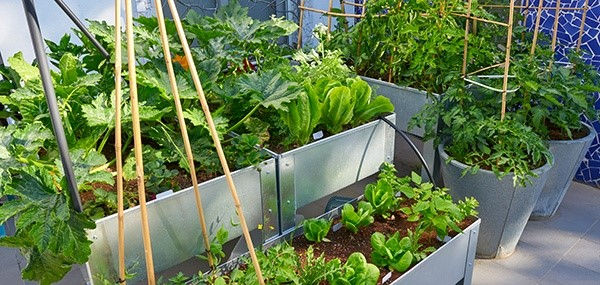
Your ability to grow fruits, vegetables, and various herbs at home depend primarily on just three things: climate zone, space available, and your level of commitment. With plenty of warm days ahead, it's not too late to get started on a garden of your own. If you're limited to an indoor garden, consider hearty options like avocados, carrots, microgreens, lemons, and scallions. You'll need some large, south-facing windows to have a successful garden. If that's not an option, grow lights, and hydroponic kits have become a popular option in recent years as they've become more and more affordable. For outdoor gardening, the first step is to check local zoning ordinances and/or homeowner's association rules. Then determine your plant hardiness zone to help narrow in on recommended plants for your area. Like anything else, having a solid plan in place is critical. When it comes to plot size, people tend to envision lush rows of crops and tilled soils, producing plant after plant of vegetable-producing crops. If you're lucky enough to have such ample space at home, you're limited only by the time and effort you want to expend. If space is scarce, never fear. Urban gardeners have developed innovative ways to garden in small spaces.
Go vertical: If space is limited, consider a garden wall. You can utilize vertical space by attaching planters to exterior walls that get lots of sun exposure. Don't have an appropriate wall? You can find prebuilt grow towers' with a quick internet search or build your own DIY version using a large plastic drum, some PVC pipe, and a drill.
Garden in other containers: Use containers of all sorts on your porch, balcony, or patio to maximize your growing space, including buckets, planter boxes, hanging baskets, pots, and barrels.
Create a rooftop garden: Utilize the space that most of us never even think about, your rooftop! If you have a flat space on your roof and a safe way to access it, consider designating that area as your growing space. Just make sure to consult a professional to ensure that your roof can carry the load.
If gardening at home just isn't an option, check to see a community garden in your area. Community gardens can be a way to share in the work, build community bonds and enable others to participate. With the right equipment and some sweat equity, any community can turn a vacant lot into a food-producing zone. However you decide to grow your home-garden, once you've tasted your very first home-grown tomato or finished your first batch of pesto made from your home-grown basil, you'll know the hard work was worth it! Let's Talk About Buyer "Love Letters"With low inventory driving up home prices around the country, bidding wars, over-the-top cash offers, and waived inspections have become frustratingly commonplace. In these booming markets, buyers often need to act fast and stretch their budget for a shot at their dream (or dreamy-enough-for-now) home. But if you're like many buyers and backing up the Brink's truck for a 2 bed, 1 bath simply isn't an option. You'll need to get creative to gain an edge. It's time to talk about the "love letter." The personal letter from a potential buyer to a seller has become an increasingly popular tactic in recent years. Sellers often have an emotional connection to their home, and getting a heartfelt letter explaining why their home would mean so much to you might make the difference in them selecting your offer over a comparable one. If you're in the market to buy right now and are looking for a way to tip the scales in your favor, check out these love letter tips: Don't use a template.
The most important thing you can do if you're going to write a seller a letter is to speak from the heart. If you use a template, you found online or fill your letter with tired cliches. Your love letter will probably backfire. Sellers (and their agents) know what their home is worth, so don't insult them by trying to pull a fast one. The goal is to appeal to the seller's emotional attachment to their property, so meet them where they are and be yourself. Build a connection

If at all possible, try to identify and highlight a connection you have with the seller. Are the sellers moving because their kids just left the nest? Let them know you want to raise your rugrats there. Does the home have a fenced-in yard because the seller needed a play-place for their pups? Make sure to mention how much your pets will love the space. The same goes for shared hobbies, community interests, or anything else that lets the seller know you'll appreciate the home and area as they did. Again, just make sure to be genuine. Don't bark up the wrong tree.
If the person selling a home is an investor or builder, you can probably skip the letter altogether. They are trying to maximize profit and won't have an emotional attachment to the property. You'll have to offer them more money or a fast closing to grab their attention. Recognize their work
If you notice the sellers have made improvements in their home, like remodeling their kitchen, feel free to mention that. People put a lot of time, money, and work into their homes, and it feels good to know that other people notice that. Even if you already have remodeling plans in mind, don't mention them. It's better for a seller to imagine that you'll enjoy the spaces like they did. Don't be desperate.
If you come across as too needy or desperate, that's not going to appeal to a seller. Keep things positive, and don't put the seller in an uncomfortable position. You want to make them feel happy about passing their home on to people who will enjoy it the way they did. Keep it short and ask for an edit.
You don't need to write an autobiography. You just need a couple of paragraphs. You want to convey why the house is meaningful to you, but you also need to make sure the recipient actually reads it. Finally, make sure to have any letter reviewed by your agent to make sure you're hitting the right notes. Remember, even a perfect letter won't win you an offer on its own, but it's a useful tool that can help tip the scales in your favor. If the seller decides between your offer and another comparable one, a love letter might give you the edge.
Questions? Visit TRIPPBUTLER.homepages.com
Tripp Butler, Owner Southbridge Greater Savannah Realty (912) 856-8685 / cell (912) 651-5400 / work tbutler@southbridgesav.com
If you have a brokerage relationship with another agency, this is not intended as a solicitation. All information is deemed reliable but not guaranteed.
Tripp Butler, Executive Contributor Brainz Magazine
Tripp Butler has almost 30 years of experience in the residential real estate market. His expertise is taking over real estate companies that are underperforming and increasing the growth and profits by threefold. Tripp started his career at Wild Dunes Real Estate in 1993 as a sales executive. By 1998, Tripp was a Broker and partner of the firm. At the end of 2005, Tripp sold the Company to Lowes Management, the country's 5th largest resort management Company. In 2008 Tripp purchased Southbridge Greater Savannah Realty and had made this Real Estate Company one of the premier real estate companies in the surrounding area. Southbridge Greater Savannah Realty handles the relocation work for some of the biggest companies in the Southeast.