The Power Of Breathwork – A 5-Minute Daily Reset For A Calmer, Happier You
Written by Christy Little, Intuitive Artist
Christy Little is an intuitive artist speaking in color. Through deep personal growth she found her authenticity and a new sense of inner peace. Now Christy uses creativity as a catalyst to make positive changes in the world.

In the whirlwind of our daily lives, it's easy to feel overwhelmed, stressed, and disconnected. Finding a quick and effective way to reset and recharge can make all the difference in how we navigate our days. Breathwork, the practice of consciously controlling your breath, offers a powerful solution. Just five minutes of focused breathing each day can transform your mental, emotional, and physical well-being.
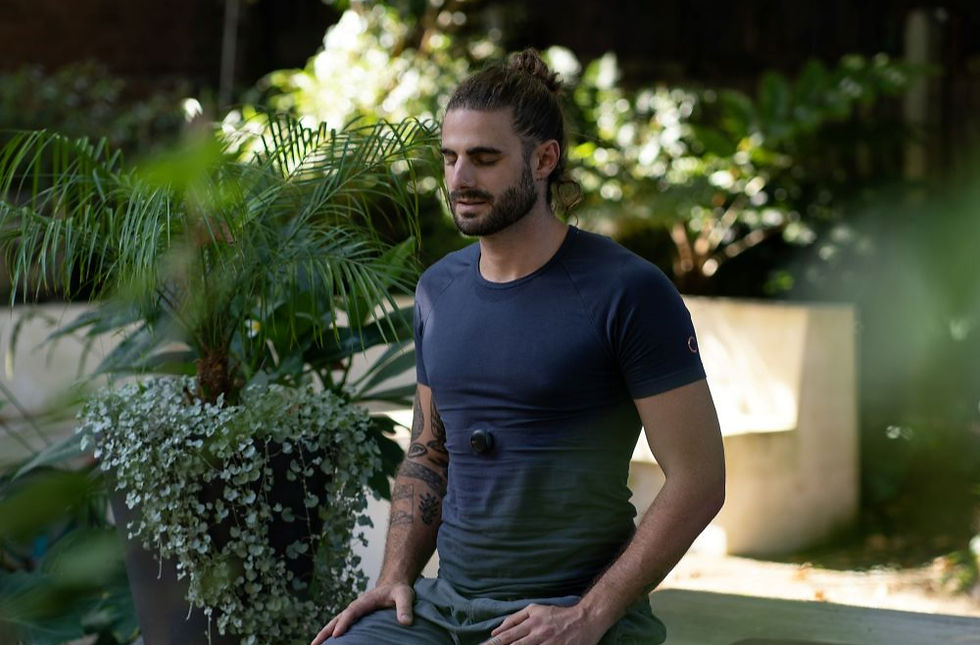
What is breathwork?
Breathwork refers to a variety of breathing techniques and exercises designed to
improve mental, emotional, and physical health. These practices can help reduce stress, increase energy levels, and enhance overall wellness. By engaging in breathwork, you can activate your body's natural relaxation response, bringing you back to a state of calm and balance.
Why breathwork matters
The way we breathe directly impacts our nervous system. Shallow, rapid breathing can trigger the body's stress response, while deep, slow breathing can promote relaxation and a sense of peace. Incorporating breathwork into your daily routine can help you:
Reduce stress and anxiety: Controlled breathing activates the parasympathetic nervous system, which helps calm the mind and body.
Improve focus and clarity: Oxygenating the brain through deep breathing can enhance cognitive function and concentration.
Boost energy levels: Breathwork increases oxygen supply to your cells, boosting your overall energy and vitality.
Enhance emotional well-being: Regular breathwork can help regulate emotions and promote a sense of inner peace and happiness.
A simple 5-minute breathwork routine
Here is a quick and effective 5-minute breathwork routine that you can easily
incorporate into your daily life. This routine combines several breathing techniques to help you reset and recharge.
1. Find a comfortable position
Sit or lie down in a comfortable position. Ensure your spine is straight, and your body is relaxed. Close your eyes and take a moment to settle into this position.
2. Begin with deep belly breathing (1 Minute)
Place one hand on your belly and the other on your chest. Take a deep breath in through your nose, allowing your belly to rise as you fill your lungs with air. Exhale slowly through your mouth, letting your belly fall. Focus on the movement of your breath and
the rise and fall of your belly.
Inhale: 4 seconds
Exhale: 6 seconds
3. Practice box breathing (1 Minute)
Box breathing, also known as square breathing, is a simple technique that can quickly calm your nervous system.
Inhale deeply through your nose for 4 seconds.
Hold your breath for 4 seconds.
Exhale slowly through your mouth for 4 seconds.
Hold your breath for 4 seconds.
Repeat this cycle for one minute, maintaining a steady and relaxed rhythm.
4. Try alternate nostril breathing (2 Minutes)
Alternate nostril breathing, or Nadi Shodhana, is a traditional yogic practice that balances the left and right hemispheres of the brain.
Close your right nostril with your right thumb and inhale deeply through your left nostril for 4 seconds.
Close your left nostril with your right ring finger, release your right nostril, and exhale through your right nostril for 4 seconds.
Inhale through your right nostril for 4 seconds.
Close your right nostril, release your left nostril, and exhale through your left nostril for 4 seconds.
Continue this alternating pattern for two minutes, focusing on your breath and the sensation of air moving through your nostrils.
5. Finish with mindful breathing (1 Minute)
Return to a natural breathing rhythm. Focus on the sensation of your breath as it enters and leaves your body. Notice the coolness of the air as you inhale and the warmth as you exhale. If your mind wanders, gently bring your attention back to your breath.
Tips for successful breathwork practice
Consistency is key: Aim to practice breathwork at the same time each day to build a habit.
Create a calm environment: Find a quiet, comfortable space where you won't be disturbed.
Listen to your body: If you feel lightheaded or uncomfortable, return to your normal breathing pattern and take a break.
Combine with other practices: Breathwork can be integrated with meditation, yoga, or other mindfulness practices for enhanced benefits.
Incorporating just five minutes of breathwork into your daily routine can profoundly impact your well-being. This simple practice can help you manage stress, improve focus, and enhance your overall quality of life. By taking the time to consciously connect with your breath, you can cultivate a sense of calm and clarity, making each day a little brighter and more joyful.
Follow me on Facebook, Instagram, and visit my website for more info!
Christy Little, Intuitive Artist
Christy Little is an intuitive artist speaking in color. Through deep personal growth she found her authenticity and a new sense of inner peace. Now Christy uses creativity as a catalyst to make positive changes in the world. She created the “Gratitude & Awe Journal,” available on Amazon, which helps people discover more joy in their everyday experiences through gratitude, delight, and awe. In an effort to help people feel good inside and out, Christy has collaborated to offer pieces of wearable art: original paintings designed into clothing and accessories, including luxury watches. She has a strong mission to help open the hearts of humanity through her journals, wearable art, and in her energetic paintings.