The Art of Stillness and Finding Peace in a World That Never Stops
Anna Papadakis is a Transformational Wellness Guide, Jivamukti Yoga teacher, ceremonial cacao facilitator, breathwork practitioner, and retreat creator. She guides immersive experiences combining conscious movement, meditation, breathwork, cacao, and ceremony to support personal transformation, deeper connection, and inner growth.

In a world that constantly demands our attention, learning to be still may be one of the most transformative practices we can embrace. We live in a society that celebrates productivity, glorifies busyness, and conditions us to believe that doing more somehow makes us more valuable. From the moment we wake up, our minds begin racing through responsibilities, expectations, memories, and endless possibilities. We become so accustomed to the noise that silence can feel unfamiliar, even uncomfortable.
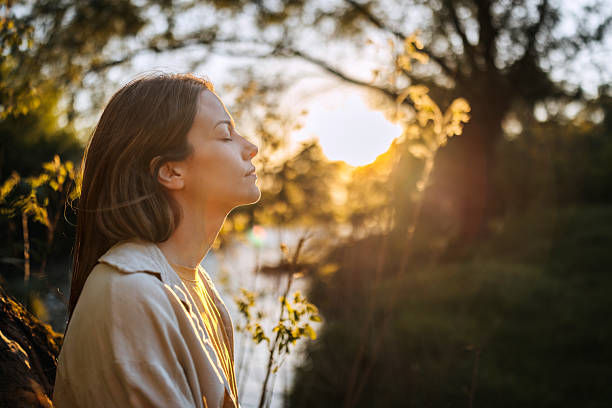
But what if the peace we spend our lives searching for isn’t something we need to find? What if it already exists within us, patiently waiting beneath the layers of mental activity?
Through my years of teaching meditation and yoga and guiding individuals through transformational practices, I have come to understand that stillness is not the absence of thought. It is the ability to remain present without becoming consumed by every thought that arises.
Meditation is not about escaping life. It is about learning how to experience life more consciously.
Understanding the restless mind
The human mind is naturally active. It analyzes, remembers, anticipates, and constantly attempts to make sense of our experiences. This activity is not inherently negative. Our minds are extraordinary instruments designed to help us navigate the world.
However, when we become overly identified with our thoughts, we can begin to experience life through a continuous cycle of worry, judgment, and emotional reactivity.
We replay conversations that have already happened. We create scenarios about situations that may never occur. We carry yesterday’s emotions into today and allow tomorrow’s uncertainties to steal the peace available in the present moment.
One of the most important lessons I share with my students is that you are not every thought your mind produces.
Thoughts are experiences that arise and pass through awareness. They do not all require our attention, interpretation, or reaction.
The moment we begin observing our thoughts rather than automatically following them, we create space for greater clarity and emotional freedom.
Why stillness can feel so uncomfortable
For many people, sitting quietly with themselves is surprisingly challenging.
When external distractions disappear, we may become more aware of emotions, memories, physical sensations, or unresolved experiences that have been waiting beneath the surface. This is why meditation can initially feel difficult.
We are not necessarily doing anything wrong. We are simply becoming aware of what was already present.
In my work with meditation and somatic practices, I encourage individuals to approach this experience with compassion rather than resistance.
Stillness should never become another expectation we place upon ourselves. There is no perfect meditation, no ideal state we must achieve, and certainly no requirement to silence every thought.
Sometimes the most meaningful practice is simply sitting with ourselves exactly as we are.
For individuals who find quiet meditation overwhelming, gentle movement, grounding exercises, or guided breath awareness can offer a more supportive beginning.
The intention is not to force ourselves into silence but to gradually create a sense of safety and ease within our own presence.
The connection between meditation and the nervous system
Meditation is more than a spiritual practice. It can also influence how we respond to stress, regulate emotions, and relate to the challenges of everyday life.
When practiced consistently, certain forms of meditation may help reduce perceived stress, support attention, and encourage a calmer physiological state.
In a world where so many people live in a constant state of urgency, learning to pause becomes an act of self-care.
Through breath awareness and mindful observation, we can begin noticing the difference between reacting automatically and responding consciously.
That brief space between a stimulus and our response can change the way we communicate, make decisions, and navigate difficult emotions.
The goal is not to remain peaceful every moment of the day. That would be an unrealistic expectation of the human experience.
Instead, meditation teaches us how to return to ourselves when life inevitably pulls us away from our center.
5 simple ways to cultivate stillness
You do not need an elaborate ritual, a perfectly quiet room, or hours of free time to begin experiencing the benefits of meditation.
Begin with five minutes. Sit comfortably, close your eyes if that feels natural, and bring your awareness to your breathing. Allow the breath to move without trying to control it.
Observe rather than judge. When thoughts arise, acknowledge them gently. Instead of becoming frustrated, recognize that noticing the wandering mind is part of meditation.
Connect with your body. Feel your feet on the ground, the support beneath you, and the sensations of breathing. Physical awareness can help anchor attention in the present moment.
Create moments of silence throughout your day. Before reaching for your phone, starting your car, or moving into another activity, pause for a few conscious breaths.
Practice consistency over perfection. A few intentional minutes each day can be more sustainable than an occasional lengthy practice.
Remember, the purpose is not to become an expert at sitting still. It is to develop a more compassionate relationship with yourself.
Bringing meditation beyond the cushion
One of the most beautiful realizations along the meditation journey is that mindfulness does not end when we open our eyes. Meditation becomes especially meaningful when its lessons begin influencing how we live.
We can practice presence while walking outdoors, preparing a meal, listening to someone we love, or simply noticing the warmth of sunlight against our skin.
We can become more aware of when we are rushing, when our thoughts are creating unnecessary suffering, and when our bodies are asking us to slow down.
Over time, stillness becomes less about a particular technique and more about the quality of awareness we bring into ordinary moments.
This is where meditation begins to transform from something we do into something we embody.
Returning home to yourself
After years of exploring meditation and guiding others through practices of self-discovery, one truth continues to resonate deeply with me: we do not need to become someone different to experience inner peace.
We need to create enough space to reconnect with who we are beneath the constant movement of the mind.
There will always be responsibilities, uncertainties, and moments that challenge our sense of balance. Meditation does not remove these experiences, nor does it promise a life without discomfort.
What it offers is an opportunity to meet life with greater awareness, patience, and compassion. So the next time you feel overwhelmed by the noise of the world, give yourself permission to pause.
Take a breath. Feel your body. Notice the present moment. You do not need to solve everything right now.
Sometimes the most profound transformation begins not by doing more, but by allowing yourself to simply be.
Because true stillness is not found by escaping the world. It is discovered when we learn to remain connected to ourselves within it.
Follow me on Facebook, Instagram, and visit my website for more info!
Read more from Anna Papadakis
Anna Papadakis, Transformational Wellness Guide
Anna Papadakis is a Transformational Wellness Guide, Jivamukti Yoga teacher, ceremonial cacao facilitator, breathwork practitioner, and retreat creator. Her path has been shaped by intensive training in India, where she immersed herself in the study and practice of yoga, meditation, and spiritual traditions. She creates transformational experiences that blend conscious movement, breathwork, meditation, ceremonial cacao, sound healing, and ritual. Through her work, Anna holds space for others to reconnect with themselves, cultivate deeper awareness, and create meaningful transformation from within.