Sleep Apnea in Women and the Missed Signs for Feeling Better Naturally
Updated: Apr 15
Written by Tiffany Ludwicki, Health Coach
Tiffany Ludwicki is well-known when it comes to Snoring and sleep issues. She is the founder of Mind Body Mouth and the Stop Snoring Solution (an online and virtual program)

When most people picture someone with sleep apnea, they imagine an older, overweight man who snores loudly. This can be the case, but it only addresses one portion of the population. Sleep apnea in women is pervasive, widely underdiagnosed, and often misunderstood.
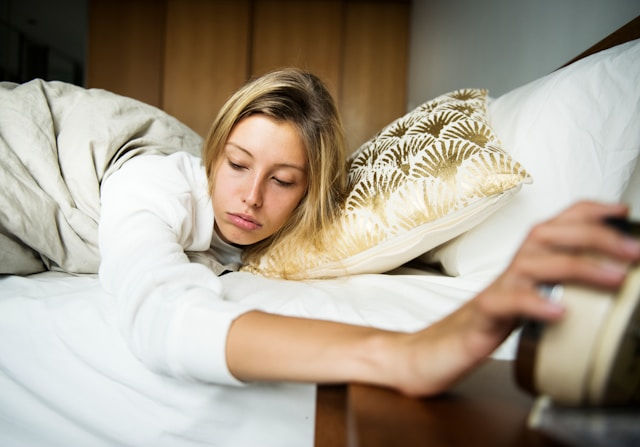
Women frequently experience different symptoms, subtler signs that are more likely to be missed, and are more likely to be told their fatigue, anxiety, or brain fog is “just stress” or “hormonal.”
If you’ve been feeling exhausted despite sleeping, waking up unrefreshed, or struggling with focus, mood, or motivation, your breathing during sleep may be the missing piece.
Before jumping straight to machines or medications, there may be a more foundational place to begin the root causes, how you breathe, how your tongue rests, and how your airway functions.
Why sleep apnea looks different in women
Unlike men, women with obstructive sleep apnea or upper airway resistance syndrome often don't present with loud snoring or obvious breathing pauses.
Instead, more common symptoms of sleep apnea in women include:
Chronic fatigue or low energy
Insomnia or restless sleep
Morning headaches
Anxiety or depression
Brain fog or poor concentration
Jaw tension, clenching, or teeth grinding
Waking with a dry mouth
Night sweats
Difficulty losing weight
Hormonal imbalance symptoms
Many women are diagnosed with anxiety, depression, insomnia, ADHD, and chronic fatigue syndrome. All without anyone ever evaluating their airway health or breathing during sleep.
Commonly missed signs of sleep apnea in women
Some of the most overlooked signs of sleep-disordered breathing include:
Mouth breathing at night
Low tongue posture
Narrow palate or crowded teeth
Forward head posture
Frequent nighttime awakenings
Light or fragmented sleep
Clenching or grinding teeth (bruxism)
Waking with jaw pain or tension
These patterns can quietly restrict airflow all night long, even without the presence of loud snoring.
Why breathing and sleep should come before everything else
We often focus on nutrition, exercise, productivity, and mindset. These are all important goals. but, physiologically, those common areas of health we focus on most are more downstream recommendations, and a better approach for women's health is: Breath – Sleep – Nervous system – Hormones – Brain – Metabolism – Healing
You can survive weeks without food or days without water, but only minutes without breathing. If your breathing is compromised every night, your body never fully restores itself, no matter how clean your diet or how disciplined your lifestyle.
This is why correcting breathing and sleep is often the fastest way to improve:
Energy levels
Mood stability
Focus and memory
Hormonal balance
Weight regulation
Chronic pain
Emotional resilience
When you connect the “missing signs” with the common “symptoms” that women with sleep issues face, you can discover a root cause in the tongue.
The role of the tongue in sleep apnea
In many women, sleep apnea and airway collapse are strongly influenced by:
Low tongue posture
Weak tongue muscles
Mouth breathing
Poor head and neck posture
If the tongue rests low and back in the mouth, it can fall into the airway during sleep, which can restrict airflow and trigger micro-arousals that fragment your sleep all night long.
Often, this happens without obvious choking or gasping, which is why it’s missed. But with proper screening, dental professionals are recognizing these signs and properly referring to care providers that address these exact issues.
With dental hygiene being a female-dominant profession, you can understand why the field of dental hygiene has evolved to incorporate the tongue in their practices more regularly. In fact, many hygienists have left their traditional roles to pursue a rewarding career in Myofunctional Therapy.
What is myofunctional therapy?
Myofunctional therapy is a form of neuromuscular re-education that retrains the muscles of:
The tongue
Lips
Cheeks
Jaw
Soft palate
Breathing pattern
The goals are to:
Establish nasal breathing
Restore proper tongue posture
Improve airway stability
Support healthy sleep mechanics
Rather than managing symptoms, myofunctional therapy addresses why the airway collapses in the first place.
Can myofunctional therapy help sleep apnea in women?
Yes. And research continues to support its role as a conservative treatment for mild to moderate sleep apnea and upper airway resistance (for TMJ sufferers too!)
For many women, myofunctional therapy can be an ideal first-line approach for several reasons:
It targets the root cause: Instead of forcing air open with a CPAP machine, therapy strengthens the muscles that keep the airway open naturally.
It’s non-invasive: It requires no masks, no surgery and has no medication side effects.
It calms the nervous system: Improved breathing supports vagal tone, stress regulation, and hormonal balance.
It improves results from other treatments: If CPAP, oral appliances, or orthodontics are needed later, therapy often makes them more effective and comfortable.
It improves daytime symptoms too:
Clients often notice:
Better posture
Less jaw tension
Reduced clenching
Clearer thinking
More stable energy
Why sleep is the foundation of healing
When breathing and sleep improve, many women report:
Reduced anxiety
Improved mood
Better focus
Easier weight management
Fewer headaches
Less jaw pain
More motivation for healthy habits
Breathing and sleep are the foundations for reaching every other goal in life.
When your nervous system finally feels safe at night, your body can:
Repair
Detoxify
Balance hormones
Restore brain function
Regulate appetite
Stabilize emotions
Everything else becomes easier. So when I offer myofunctional therapy with my health coaching, I can confidently say, “I help people Look, Feel, Think, and Perform Better!”
When to seek help for sleep apnea or poor sleep
You may benefit from an airway and breathing evaluation if:
You wake tired despite sleeping
You clench or grind your teeth
You wake with jaw pain or headaches
You mouth-breathes at night
You feel wired but exhausted
You’ve tried “everything” and still don’t feel rested
Because when you breathe better and sleep better, everything else in life becomes easier.
Find a myofunctional therapist
If this article resonates with you, your body may be asking for support at the most foundational level: your breath and your sleep.
You can look for a myofunctional therapist near you or online, as many also offer virtual forms of care. As a myofunctional therapist, I help women retrain the muscles of the mouth, tongue, and airway to support:
Natural nasal breathing
Stable airways during sleep
Deeper, more restorative rest
Calmer nervous system function
If you’re ready to explore a gentle, non-invasive way to improve your sleep and your energy, I invite you to book a free consultation so we can discuss your specific needs prior to any designated plan here: Myofunctional Therapist.
Here are some quick links to help you get started:
Download a free guide, 5 Steps to Help Tired Adults Discover Why They Snore and How to Get a Healthy Night’s Sleep without Disturbing Their Loved Ones.
Visit Mind Body Mouth for more information.
Read more from Tiffany Ludwicki
Tiffany Ludwicki, Health Coach
Tiffany Ludwicki is a leader in sleep performance. A history of snoring and memory loss, combined with a child born with airway issues, Tiffany created strategies to dramatically improve their sleep quality. She has since dedicated her life to helping others unleash the snoring beast within to find peace throughout the night and optimize their potential throughout the day. She is the founder of Mind Body Mouth and the Stop Snoring Solution, an online program with virtual group coaching to assist others in stopping snoring and reducing sleep apnea events. Her mission is to spread awareness of the dangers of snoring and, through snoring cessation, improve people's energy and reduce their risk for chronic disease and divorce.
This article reflects current interdisciplinary perspectives on obstructive sleep apnea, oral function, and airway stability, informed by clinical education and research-based resources, including MindBodyMouth.net