She Sweats, She Cries, She Bloats ‒What Is Happening In Midlife?
Written by: Kathy Fritz, Executive Contributor
Executive Contributors at Brainz Magazine are handpicked and invited to contribute because of their knowledge and valuable insight within their area of expertise.

Picture this.
You’re enjoying brunch with your friends when suddenly, you start to sweat. A lot. Like “rolling down your sides” a lot.
Or maybe you’re contentedly working on deposition, and BOOM. The tears just start to flow. You don’t think your period is coming, so where did this sudden emotional show come from?
Or perhaps you decide to indulge in a little treat from your favorite coffee shop, but four bites in you’re so bloated that your pants are cutting into your waist. You can’t even finish your delectable delight, and you wonder why something you’ve always eaten is having this effect on your body.
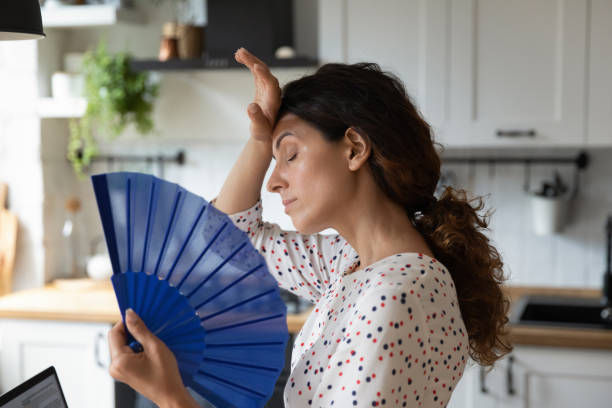
If one or all of these moments seem to be taken from your personal life, know that you’re not alone! These and other moments like them are very common in midlife as women’s bodies enter second puberty (aka perimenopause).
Women who have a hormonal imbalance in perimenopause can experience:
Weight gain, especially around the middle
Hot flashes
Hair loss
Anxiety
Depression
Fatigue
Insomnia
Low libido
GI issues
Brain fog
And more!
Dr. Google and your PCP may tell you your symptoms are normal. You may even be told that you just have to suffer through them, that all women struggle “at your age.”
Don’t believe this lie.
These symptoms aren’t normal, but they’re incredibly common.
The combination of our modern-day expectations of women, the patriarchal narrative, and age-appropriate hormonal shifts (yes, it’s normal for your sex hormones to change as you move through your 40s and 50s!) create an environment perfect for all of those symptoms listed above.
Here’s the thing about symptoms though they’re just your body’s way of telling you something.
It might be, “Help! Your cortisol is way too high!”
Or, “Girl, I need some progesterone-supporting foods!”
Or maybe, “Could you please stop exercising so much?!”
Decoding your body’s messages can be tricky, so I’ve got a great first step for you. Take this short quiz and find out if your symptoms are related to perimenopause.
Once you have an answer to this, you can start the journey to hormone harmony by addressing your hormonal landscape which is different from your best friend’s.
Every midlife woman needs a deeper understanding of her body and hormones, and a plan for supporting that beautiful, capable body.
Because the approach for a woman who has estrogen dominance is different from the healing journey for a woman with low thyroid function.
Start your journey by taking this quiz and start getting answers to your hormone-related questions.
Kathy Fritz, Executive Contributor Brainz Magazine Kathy Fritz helps women in perimenopause and menopause experience relief from hormonal symptoms like fatigue, hot flashes, moodiness, and sleeplessness through nutrition, exercise, and lifestyle choices. Her clients lose weight, rediscover their energy, feel sexy, and define themselves on their terms as they become wise women who trust their intuition. In addition to helping individuals, Kathy is also working to change the negative narrative surrounding middle age. She is part of a movement to reclaim and redefine this time of life as one of joy, intimacy, and ease.