

Richard Donoff – Building Big Ideas Into Lasting Results
Richard Donoff’s career is a study in turning steady thinking into measurable results. Over three decades, he has focused not on quick wins, but on building systems and strategies that stand the test of time.
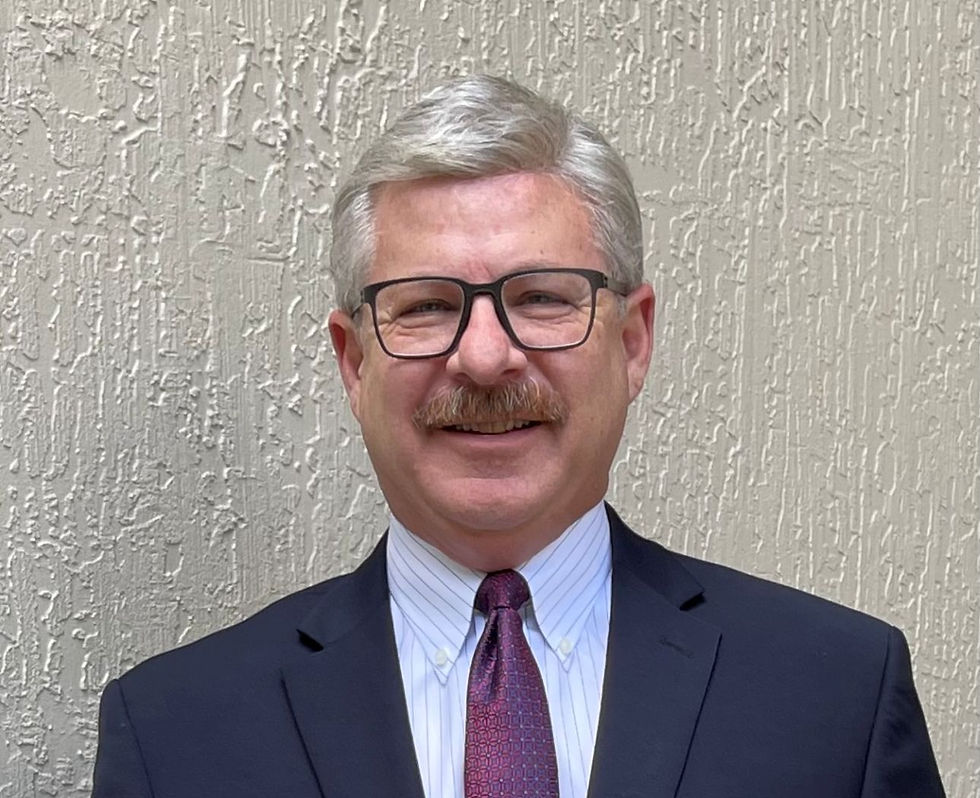
A career built on practical thinking and long-term focus
Richard Donoff has spent more than 30 years turning ideas into real business results. Known as “The Safe Money Doctor,” he has built a career around one core belief: success comes from steady thinking, not quick wins.
“Most people are looking for certainty in an uncertain world,” Donoff says. “My focus has always been on creating something stable and repeatable.”
Today, he is the Managing Partner at Sunshine Financial Partners and President of Richard Donoff & Associates. But his journey started far from the financial services industry.
Early life in Philadelphia and first business lessons
Donoff grew up in Philadelphia in a middle-class family. He describes his upbringing as simple but grounded.
“I had loving parents and a strong sense of responsibility early on,” he says.
As a young man, he explored different interests. He played sports, enjoyed photography, and even spent time playing the drums. These hobbies stayed with him, especially photography, which he still enjoys today.
He studied Business Administration at Temple University, graduating in 1978. He later continued his education in Marketing and Finance at Washington University in St. Louis.
“Marketing teaches you how people think,” Donoff says. “That became important in every business decision I made.”
Early career: From mattresses to market systems
Before entering financial services, Donoff worked in several industries. One of his first roles was with Sealy Mattress Company.
“I was involved in product design and development,” he says. “Some of those ideas are still used today.”
Later, he worked closely with Coca-Cola to help build a dealer network for in-office beverage systems. That experience shaped how he thought about growth.
“That was my first real exposure to scaling a business,” Donoff explains. “You need systems, not just effort.”
These early roles gave him a broad understanding of operations, distribution, and customer needs.
Founding Richard Donoff & Associates in 1999
How Richard Donoff built a $30M business
In January 1999, Donoff launched Richard Donoff & Associates. It started as a small, grassroots effort.
“We didn’t have a big team or a big brand,” he says. “We had to build everything step by step.”
Over time, the company grew into a national organisation. It reached $30 million in annual sales and built a network of 284 agents.
One of Donoff’s key ideas was creating a "Health Insurance Package Program." Instead of offering a single product, he designed a broader approach.
“We wanted to look at the bigger picture,” he says. “Not just one solution, but how everything works together.”
This concept helped the company stand out. It also contributed to strong growth in key areas. For example, Pennsylvania Life’s disability sales increased by 350 percent in Florida and Georgia.
Donoff was also named Salesman of the Year by American National Insurance early in his career.
The Idea Behind “The Safe Money Doctor”
What does “The Safe Money Doctor” mean?
Over time, Donoff became known as “The Safe Money Doctor.” The name reflects how he views his work.
“I’ve always compared finances to health,” he says. “If you follow a sound plan, you can create stability over time.”
He often describes his approach as a “Prescription for Sound Financial Health.” The idea is simple. Focus on long-term thinking and avoid unnecessary risk.
“People don’t want confusion,” Donoff says. “They want clarity and consistency.”
His work today focuses on helping people understand long-term financial decisions. This includes retirement planning awareness, Social Security discussions, and long-term care planning.
Leadership, growth and building teams
How Richard Donoff built and led large teams
Growing a company to hundreds of agents required more than just strategy. It required leadership.
“When you’re working with over 200 people, structure matters,” Donoff says. “You need systems that people can follow.”
He focused on training, consistency, and clear communication. These principles helped scale the business over time.
“Growth doesn’t happen by accident,” he says. “It comes from doing the same things well, over and over.”
Life Beyond Business
The Personal Side of Richard Donoff
Outside of work, Donoff stays connected to the things he has always enjoyed.
He maintains saltwater aquariums, a hobby that requires patience and attention to detail.
“It’s about balance and consistency,” he says. “In some ways, it reminds me of business.”
He also enjoys photography and sports. Most importantly, he spends time with his family. He has been married to his wife Ellen for 45 years and is a proud grandfather of four.
“That’s what matters most,” he says.
A career defined by building and consistency
Looking back, Donoff sees his career as a series of ideas brought to life through steady effort.
“Starting something from nothing and watching it grow – that’s what stands out,” he says.
From early roles in product design and distribution to building a $30 million company, his path reflects a consistent approach. Focus on the long term. Build systems. Stay disciplined.
“I’ve always believed that if you keep things simple and stay consistent, results will follow,” Donoff says.
That mindset has shaped not only his business, but the way he approaches every stage of his career.





