Resolution Or Intention – What's The Difference?
Written by: Karen Peddie, Executive Contributor
Executive Contributors at Brainz Magazine are handpicked and invited to contribute because of their knowledge and valuable insight within their area of expertise.

A Resolution is defined as ‘a firm decision to do or not do something’. So, if we don’t keep to that decision, we feel like we have failed and yet, 22% of people who make them have given up by now!
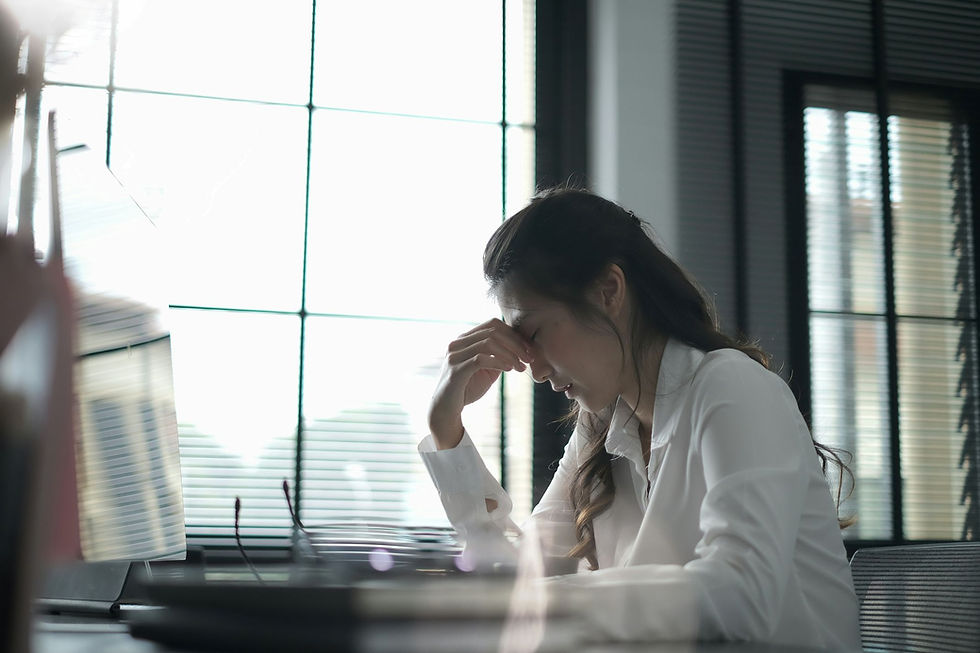
If you are one of them, it is easy to think and feel bad about yourself. This is a normal, but we can choose how we react to it. Even though feeling like a failure is a very negative response, we can do something about it.
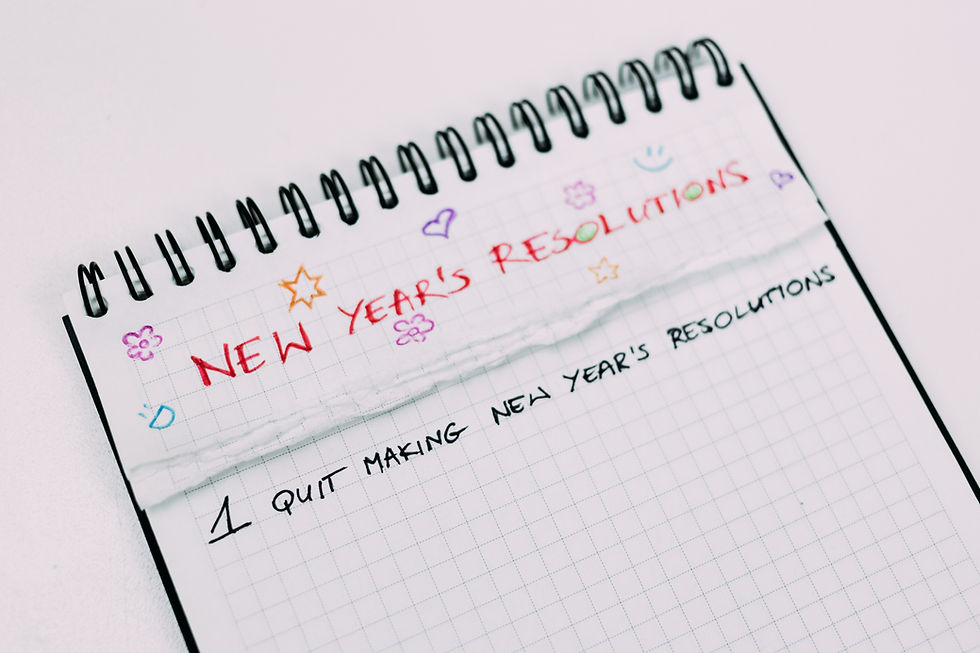
Most resolutions are made because we feel we ‘should’ be doing something. We ‘should’ lose weight, ‘should’ declutter the garage, ‘should’ quit smoking, rather than something we really want to do, ie we want to feel better, we want to be able to find things easier or we want to be happier.
Therefore, forcing ourselves to do something we don’t really want to do is just setting ourselves up to fail. We don’t believe we can really achieve it. Think about the last time you did something you didn’t really believe in or wasn’t important to you. Did it go to plan and turn out as you expected? Or was it an epic fail? How does that make you feel? Where do you feel it in your body, right now? When we focus on negative feelings like a failure, the Universe will give us more things to feel negative about, that is the Law of Attraction.
So, why not try setting intentions?
Intention is defined as ‘a thing intended; an aim or a plan’. They help us to focus our attention on the process of making positive changes rather than the outcome. For example: our resolution might be to lose a stone in weight but as soon as we don’t lose any weight our resolve goes, and we give up. A more positive approach is to set an intention each day, to eat healthy food, take a walk, drink more water or get more sleep. That way, we take a small step forward along the path to feeling better about ourselves. Give yourself a pat on the back instead of berating yourself and notice how that feels. If you choose to eat unhealthy food, take ownership of it and accept that YOU made that choice and notice how it feels. From noticing these feelings, you can make choices that feel right for you.
You can apply this practice to absolutely anything, not just food! We are all unique, and yet we all have this inner knowing, our gut feeling and we need to learn to trust it. Once we choose to start thinking positively and making positive intentions, the universe will give us more things to be positive about and we ‘feel’ much more positive and uplifted.
If you are struggling with negative emotions at the moment, I can help you change that with Emotional Freedom Techniques. Sign up to hear more about my work here. Read more about EFT here.
Karen Peddie, Executive Contributor Brainz Magazine
Karen is a natural, intuitive Energy Healer who uses Reiki, Emotional Freedom Techniques and Meditation to help her clients improve their health and wellbeing. She works with them to identify and heal the root cause of any dis-ease which could be blocking the flow of energy either physically, mentally or emotionally. As someone who suffered with anxiety, stress and depression for many years, Karen's experience makes her a genuine, empathetic therapist who creates a safe, calm space in which to start the healing process