

Pre-diabetes – How To Take Control Of Your Health
- Nov 3, 2021
- 3 min read
Written by: Cassandra Wiley, Executive Contributor
Executive Contributors at Brainz Magazine are handpicked and invited to contribute because of their knowledge and valuable insight within their area of expertise.

Diabetes has affected many family members. I watched some take insulin before and sometimes after meals. If not properly managed, it resulted in blindness, coma, seizures, lost limbs, and even death. Five years ago, I was diagnosed with pre-diabetes and high cholesterol. I made lifestyle changes because I knew that if I did not take control of my health, diabetes was the next thing. I didn’t want to take a cocktail of medications. I addressed the root cause.
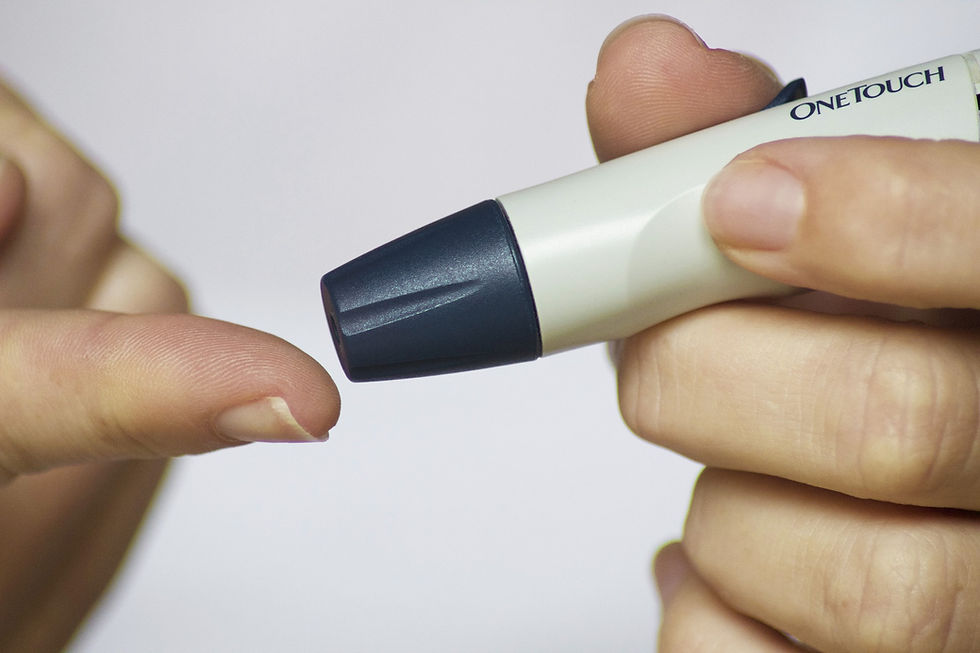
What can you do if you have pre-diabetes? With the holiday season approaching, people tend to overindulge in comfort foods, which are typically high in carbohydrates. Here are some tips:
Pass up certain carbs. You can still have rice, just a different color. White rice breaks down quickly during digestion, resulting in glucose in the bloodstream. Replacing white rice with brown rice (red or black) can make a big difference; it doesn’t digest as quickly. Potatoes, particularly chips and French fries, increase glucose levels. Pasta dishes, like macaroni and cheese, are high in carbohydrates, even gluten-free pasta. Plant-based noodles are low in carbs; however, they have zero protein.
Get active. A sedentary lifestyle increases your chances of diabetes. Belly fat is a pre-curser for type II diabetes.
Check your A1C. This number is a measurement of your blood sugar over three months. A normal A1C is under 5. If the range is between 5.7 and 6.5, you're in the pre-diabetic range. Anything over 6.5 is in the diabetic range. Your medical provider can check this when you get blood work.
Check blood sugar levels. Your medical provider can check through your blood work. Ideally, your fasting blood sugar levels should be between 65 and 99. Your provider will ask you not to eat or drink anything after midnight before your blood test.
Avoid processed and fast food. As I always tell clients, homecooked meals are always the best because you know the ingredients. Junk food like sugary drinks, donuts, cookies, cakes, and other sweets are empty calories, meaning they contain added sugars, fats, and processed oils.
Stay away from white sugar, white flour, and the like. I discussed how white rice is not the best option. Sugar and flour are not naturally white. Juice from raw sugar cane goes through a chemical process to make it white. Flour is bleached with chemicals to make it white, like nitrogen dioxide. An alternative to sugar would be agave; it has a low glycemic index, and it won't raise blood sugar levels. Alternatives to white flour are whole wheat flour, almond flour, or spelt flour.
Limit dairy. Many herbalists will tell you that cow's milk is not for human consumption. Many cows are injected with antibiotics so that they can produce more milk. We all know at least one person that is lactose intolerant. Milk is also high in fat. Some alternatives to cow’s milk are almond milk or cashew milk.
Eat meat cautiously. Certain meats are fine, like grass-fed beef, antibiotic-free chicken or turkey, and fish with scales (not farm-raised). However, it is recommended not to eat at every meal or daily to see health improvements.
When you think about your current lifestyle, where do you stand? Are your stress levels over-the-top? How are your eating habits and activity? What do you see when you look in the mirror?
Being healthy not only includes the physical but also the emotional and mental. Are you looking for better whole health? Consider if health coaching is right for you. Visit my website here.
Cassandra Wiley, Executive Contributor, Brainz Magazine
Cassandra Wiley is a health coach and founder of Have Faith and Live Well with Chasadah LLC. She focuses primarily on chronic illnesses such as pre-diabetes, high cholesterol, and obesity. Her mission is to empower individuals to lose weight and teach a new healthier approach to food to live better lives. She was successful in reversing her pre-diabetes and high cholesterol diagnoses naturally. The weight loss was an added benefit. She has helped clients change their diets and “have faith” in themselves to meet their health and wellness goals.


