Philosophy That Shapes Leadership and Innovation – An Interview with the Founder, Dr. Ece Tekbulut
Updated: May 20
Dr. Ece Tekbulut is a political philosopher, cultural entrepreneur, and public intellectual known for bringing rigorous ideas into conversation with everyday life. She earned her Ph.D. in Political Science from Columbia University and is the founder of Thinking Through, one of New York’s leading public philosophy platforms.
Through public salons and corporate sessions, Ece creates spaces where people can think more deeply about friendship, city life, climate change, leadership, AI, ethics, and long-term decision-making.
In this interview, Ece shares how Thinking Through began, why public philosophy matters today, and how deeper reflection can help individuals, organizations, and communities navigate complexity with greater clarity and purpose.
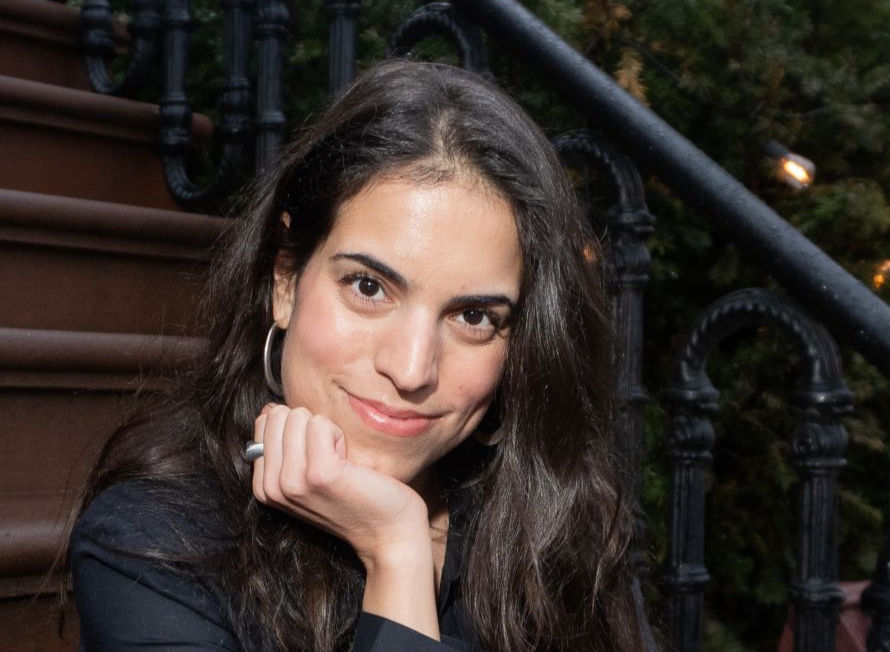
Ece Tekbulut, Political Philosopher and Founder
How do you use philosophy as a practical tool to help people and organizations navigate complex challenges?
Philosophy gives you the tools to interrogate what everyone else is taking for granted. I create the conditions for genuine inquiry in my sessions through Socratic dialogue – challenging assumptions, demanding clarification, and slowing the room down long enough to examine what's been taken for granted. I ask questions like: Why should people follow a leader? What makes a good life, and how will AI enable or hinder it?
What is the ethics of being a colleague? Then I draw on insights from prominent philosophers to make those questions concrete. In a session on leadership, for example, I introduced Max Weber's distinction between power and authority – power is the ability to make others comply, authority is when people believe you have the right to lead and follow willingly and we explored what actually confers authority, drawing on Plato, Machiavelli, and Martin Luther King.
How do you define success for Thinking Through?
Success is cultivating curiosity as a permanent disposition in every participant, because the questioning attitude is a survival skill right now. It doesn't mean people leave having changed their minds, it means they leave aware that the answers they'd taken for granted, the positions they were certain about, can be challenged. For companies, we go deeper: with a tech company I facilitated a session on AI's impact on human flourishing; with a climate tech company, on what our relationship with nature should actually be. The answers we reach together become an anchoring principle – something that can shape strategy, messaging, even how a company talks about itself.
What makes working with you different, and why do people keep coming back?
I have a PhD, but I didn't go into academia. I'm a philosopher who works in public, with people in my salons and with companies, which means I'm trained to think precisely and I've built the practice of making that thinking accessible and alive in a room. People come back because the conversations are genuinely hard and genuinely enjoyable, which is a rare combination.
What has been the most transformative conversation or event you've facilitated?
Collaborating with business strategist Kima Sargsyan on a piece about algorithmic product design was eye-opening. Just as philosophers challenge the underlying premises of an argument, she challenges the assumptions behind product design and success metrics. Together, we questioned what current algorithmic products are actually doing to users and concluded that a truly valuable product is forward-looking: it takes aspiration seriously and helps users move toward who they want to become, rather than trapping them in a loop of past preferences. It was transformative because it showed me how much is possible when two people from seemingly disparate fields think together seriously.
How do you tailor your sessions to meet different audiences?
With companies, they usually come with a theme – AI, leadership, climate change and a specific aim, whether that’s internal cohesion or clarifying their public stance. I work with them to find the philosophical question that makes that theme generative for real conceptual discussion. With my public salons, I take my cues from the zeitgeist, from the places where culture is clearly at an impasse. I started holding sessions on friendship when research pointed to a ‘friendship recession,’ and on masculinity after Theroux’s manosphere documentary surfaced, or on love in New York, where the prevailing assumption is that this is not a loving city.
What are Thinking Through’s upcoming projects?
Thinking Through is hosting a series of conversations during AI Week and Tech Week NYC, convening builders and thinkers to explore how advances in AI are reshaping human life, decision-making, and the futures we are collectively building. The program also includes expert panels on AI in healthcare, creativity, and mental health.
Follow me on LinkedIn for more info!
Read more from Ece Tekbulut