Overcoming Overwhelm and Designing a Life Aligned with Your Values – Interview with Carmel Shami
Carmel is a time management expert who helps people rebuild clarity and balance in demanding lives. She is the founder of It’s About Time, a holistic productivity practice rooted in mindset, structure, and energy management. Drawing on her years of work with the elderly and families facing grief, she developed an approach that considers the whole person, not just their schedule. Witnessing how often people reach the end of life with unspoken regrets shaped her mission, to help others choose intentionally how they live. As she often reminds her clients, no one dies finished. Choose what matters.
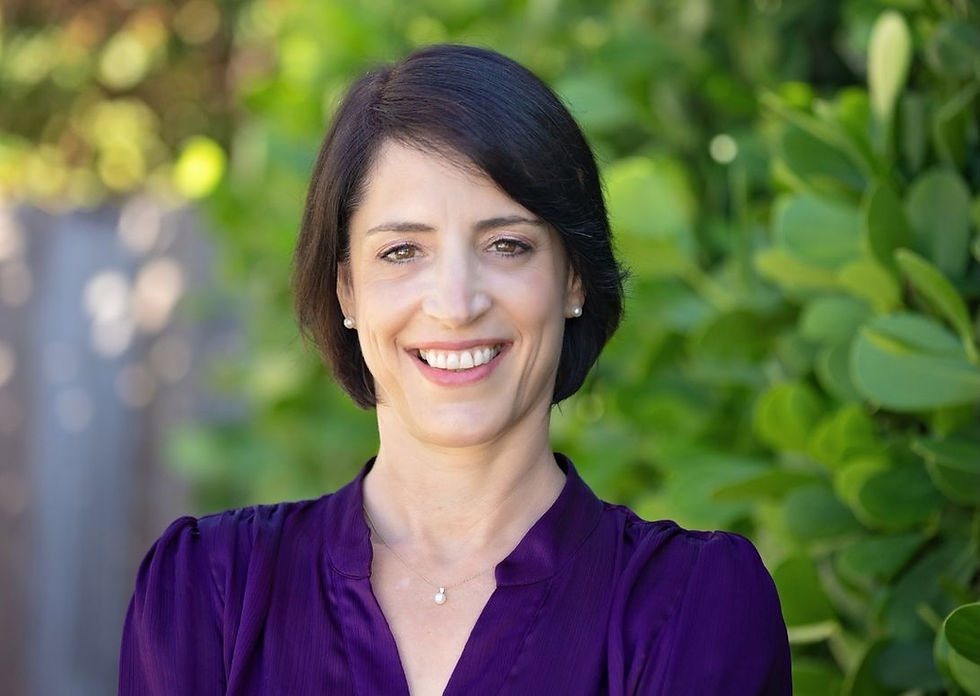
Carmel Shami, Holistic Time Management Mentor
Who is Carmel Shami?
I am a woman, a wife, a mother, and a holistic productivity guide. I work as a creative and intuitive mentor, supporting people who experience anxiety, imbalance, and a challenging relationship with time. I am also the author of Stressy Jessy, a children’s book about organizing the mind, written to help children and the adults who support them build awareness and emotional order.
The way I live and work is guided by five core values such as balance, love, health, spirituality, and creativity. These values shape how I make decisions, how I structure my work, and how I return to myself when life feels full or overwhelming.
I am the founder of It’s About Time, where I work with people who are capable, committed, and often carrying far more than is visible from the outside. Many of them are overwhelmed not because they lack discipline or ambition, but because life can become complex and their energy is stretched thin. I help them design their time, energy, and systems in a way that supports both effectiveness and well-being.
At home, I am a mother to three children. All of them live with ADHD, and two of them also manage chronic illness. Being their mother has shaped me deeply. It has taught me patience, flexibility, and how to live with uncertainty. It has also taught me the importance of asking for help, adjusting expectations, and letting go of control when life does not follow the plan.
Professionally, I am structured, practical, and strategic. I value clarity, organization, and systems that work in real life. At the same time, I am reflective and intuitive, and deeply guided by values. I care not only about results, but about how those results are achieved and what they cost the person achieving them. I pay close attention to the emotional, physical, and mental cost of the way people work and live.
My relationship with time was shaped long before I ever became a coach. As a child, I often accompanied my mother, a nurse, as she cared for elderly people in their homes. I grew up around illness, aging, and the realities of life nearing its end. Later, as a social worker supporting seniors and families facing loss, those experiences deepened my understanding of how precious and fragile time truly is.
Through those years, I learned that regret rarely comes from what people failed to achieve, but from how disconnected they were from what truly mattered while time was passing.
This understanding sits at the heart of my work today. I help people improve their relationship with time, not just manage it, so they can live with greater intention and alignment. My hope is that when they look back on their lives, they feel a sense of peace and pride in how they spent their days and what they chose to prioritize.
What problem do you help your clients solve most often, and why is it so important right now?
Most of my clients are not lazy or unmotivated. They are overloaded. They are responsible people living in systems that constantly demand more. Their minds rarely rest. They feel behind even when they work hard. Their calendars are full, but their energy is empty.
We live in a culture of permanent urgency. Work follows people home. Notifications never stop. Rest feels unproductive. Worth is often measured by busyness.
I help people move from survival mode into intentional living, where their time reflects their values, not just their obligations.
How would you describe what you do in one clear sentence?
I help overwhelmed professionals design their time, energy, and systems around who they truly are, so they can succeed without losing themselves in the process.
What inspired you to build It’s About Time Management?
Time has always been personal to me. Through my work in elder care and with grieving families, I saw that some people reached old age with peace, while others carried deep regret.
One elderly client once told me, “No one dies finished.” That sentence changed how I understood time. We will never complete everything. So the real question becomes what is worth our limited time.
I also saw that traditional productivity advice focused on doing more, faster, and rarely asked why or at what cost. It’s About Time was created to fill that gap. Practical systems are built on values, identity, energy, limits, and purpose.
Who are your ideal clients, and what are they usually struggling with?
My ideal clients are reflective, driven people who want to live intentionally but find themselves stuck in the pressure of daily life. They are high achievers with big goals who feel overwhelmed, fragmented, or out of alignment with what they say they value.
Before they come to me, they often say:
I feel scattered. My mind is always in ten places at once.
I feel busy all day but not truly productive.
I feel like I am constantly multitasking, yet nothing gets my full attention.
I feel anxious when I look at my to-do list.
I feel mentally exhausted from making decisions all day.
I feel people take more of my time than I want to give, but I don’t know how to set boundaries.
I feel productive on the outside, but inside, I am tired and overwhelmed.
I feel disconnected from what actually matters to me.
They are not lacking motivation or intelligence. They are stretched too thin, thinking too much, and resting too little. What they are truly seeking is calm, clarity, and control, so they can live with ease, energy, and enjoyment.
What makes your approach to time management and leadership different from traditional methods?
Traditional time management focuses on tools, speed, and fitting more into already full days. My approach begins with reflection. It starts with guided questionnaires and deep conversations that help my clients understand their relationship with time, their patterns, their energy, and the beliefs they carry about productivity and success.
Before we build any system, we slow down. We create space for self-awareness and honest reflection about what truly matters, how the person is living, and what kind of life they are building through their daily choices. I often ask my clients to imagine themselves at one hundred years old and look back on their life. My guiding question is always, “Looking back at your life, what do you see?”
This question brings up deep emotions and powerful insights. From that clarity, we are able to make more intentional and grounded choices with time. Only then do we design the systems, calendars, task management, boundaries, and routines that support that vision.
So instead of asking, “How can we do more?” I ask, “What kind of life do you want to build?” Time management, to me, is not about managing time perfectly. It is about living intentionally, in alignment with what we value and how we spend our days.
What is the biggest misconception people have about time management or productivity?
The biggest misconception is that we can do it all, without trade-offs. Many people believe that if they just do more, stretch their days, multitask better, sleep less, or push harder, they will eventually accomplish everything they want.
In my work with clients, I always begin with a gentle but honest reality check based on three fundamental principles of time.
The first is that every choice has a cost. Whatever we choose to focus on, whether it is work, family, or ourselves, something else will receive less time. There is always a trade-off. The second is that we will never finish everything. No system, no tool, and no level of discipline will complete every task or fulfill every desire. Life is unfinished by nature.
Accepting these two truths is not discouraging. It is freeing. It allows people to stop chasing the impossible and start choosing wisely.
The third principle is that productivity always circles back to energy management. If we do not sleep well, rest, eat properly, or care for our bodies, no system in the world will make our brain and body perform at their best.
When expectations become realistic, people stop fighting time and begin working with it. That is where meaningful progress actually starts.
How do you help high-performing professionals regain control without burning out?
By teaching them to respect their nervous system as much as their goals. We create boundaries, protect recovery time, build systems that reduce mental load, and redefine success to include health and relationships. Burnout happens when the way we live is no longer aligned with how humans are meant to function.
Can you explain how working with you creates real, measurable change and what results your clients commonly experience?
My work creates change on three levels such as inner clarity, structure, and better habits. Clients experience fewer working hours, clearer calendars, stronger boundaries, less anxiety, better sleep, improved focus, and an overall sense of well-being across all areas of time.
The deeper change is internal. They stop feeling chased by time and begin living with more calm, clarity, and presence. Many shift from operating as human-doings to living as human-beings.
As a result, they think more clearly, feel less pressure, create more space for relationships and health, and often tell me that, for the first time, their schedule truly feels like it belongs to them.
What simple shift can someone make today to start managing their time more effectively?
Focus. Focus. Focus. Stop trying to achieve it all. Decide what truly matters most. Block interruptions when you do focused work. Do Not Disturb is a great feature on your phone. Let it work for you.
Reduce screen time as much as possible. It is one of the biggest time wasters, and it hurts us mentally, physically, and cognitively. Even educational content needs limits. As Dr. Joe Dispenza says, ignorance is a choice.
Plan daily and weekly. This is the secret sauce of productivity. Planning helps you stay proactive, not reactive, and gives you more flexibility when life changes.
Decide when your day ends. Do this at the beginning of the day, not when you are already exhausted.
Take a 20-minute nap if possible. Even closing your eyes at your desk counts. This is a game-changer, and research strongly supports it.
For someone reading this who feels overwhelmed or stuck, what would you say to encourage them to reach out to you?
Feeling overwhelmed does not mean something is wrong with you. It often means you have been carrying too much for too long without enough support.
You do not need more discipline. You need to pause, step back, and re-strategize your time and your life. Life should not feel constantly heavy or hard. There are always ways to make it better. Asking for guidance is an act of courage, not a weakness. Life passes by quickly. What we do with it matters, and my mission is to help you make it count.
Read more from Carmel Shami