

Neiman Young and the Power of Sustainable Leadership
From commanding military operations overseas to managing multimillion-dollar city systems, Neiman C. Young has built a career around structure, adaptability, and long-term impact. Now focused on executive coaching and sustainable leadership, Young is helping today’s leaders balance high performance with clarity, resilience, and purpose.
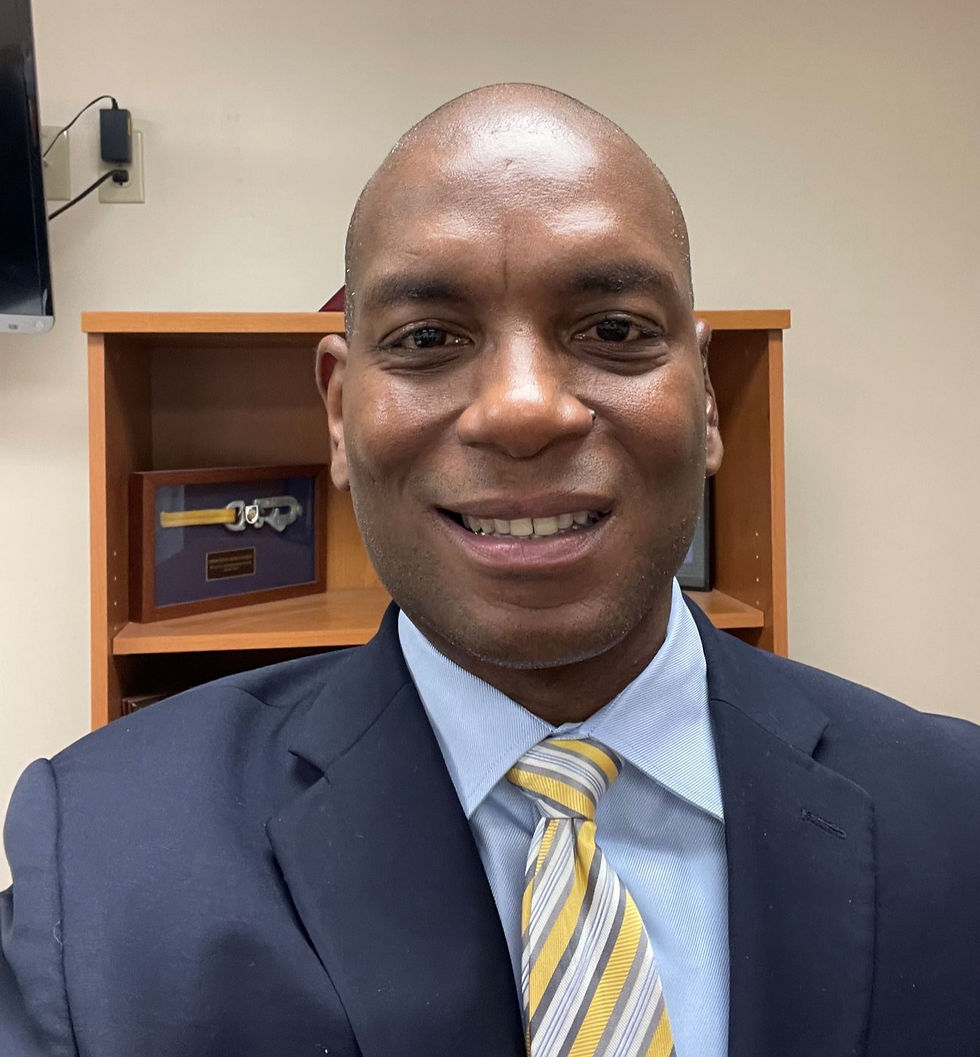
How a former Army commander turned big-picture leadership into long-term impact
Leadership is often associated with fast decisions, pressure, and constant movement. Neiman C. Young understands that world well. He spent more than two decades leading in military operations and later managing large-scale city government systems. Today, he is applying those experiences to executive coaching and leadership development.
What makes Young’s story stand out is not just the positions he held. It is the way he approached them. Throughout his career, he focused on building systems, creating structure, and turning complex ideas into practical results.
“I define success as the ability to create meaningful, sustainable impact while staying aligned with my values,” Young says. “It’s not just about reaching goals. It’s about building something that lasts.”
That mindset has guided every phase of his career.
How Neiman Young built his leadership foundation
Young grew up in Houston, Texas, and eventually joined the U.S. Army, where he would spend the next 23 years developing as a leader.
Over time, he took on larger and more demanding assignments. His military career included deployments to Iraq and Afghanistan, where the stakes were high and decisions had immediate consequences.
His final military role was commanding a Special Operations company in support of Operation Enduring Freedom.
Those experiences shaped his approach to leadership in lasting ways.
“In high-pressure environments, people look for clarity,” Young says. “You learn very quickly that leadership is about staying focused, communicating clearly, and supporting the people around you.”
The Army also taught him the importance of adaptability. Plans changed constantly. Teams had to respond quickly while still staying disciplined.
That ability to adjust would later become important in civilian leadership roles.
From military service to local government leadership
Young retired from the Army on 17 February 2017. Four days later, he started a new chapter in local government in King George County, Virginia.
The transition was fast, but for Young, leadership principles remained the same.
“You still have to solve problems, build trust, and bring people together around a common goal,” he says.
During his time with the county, Young worked on several large initiatives. One of the most important was the County’s Debt Mitigation Plan. He also helped create the first Economic Development Strategic Plan the county had seen since 1999.
Another major project involved negotiations tied to the Harry W. Nice Bridge replacement project. The discussions included the Federal Highway Administration, the Virginia Department of Transportation, and the Maryland Transportation Authority.
These were complicated conversations involving multiple agencies and competing interests.
“You learn that progress often comes from patience and collaboration,” Young says. “Large ideas only become reality when people are willing to work together.”
Leading at scale in Corpus Christi
In 2021, Young was appointed Assistant City Manager for Corpus Christi, Texas, the eighth-largest city in the state.
The role expanded his responsibilities significantly. He managed more than 900 employees and oversaw a $901.4 million operating budget along with a $700 million capital budget.
For many leaders, managing systems at that scale can become overwhelming. Young approached it through structure and prioritisation.
“I rely on layered planning,” he explains. “Long-term vision, annual goals, quarterly priorities, and weekly execution.”
He believes large organisations succeed when leaders create clarity at every level.
“When people understand the mission and understand their role in it, performance improves,” he says.
That approach helped Young manage large operations while maintaining focus on long-term outcomes rather than short-term reactions.
Why Neiman Young shifted into executive coaching
After years in military and government leadership, Young began focusing more on leadership sustainability and performance.
He noticed that many executives and senior leaders operated at a very high level but often without systems that supported long-term effectiveness.
“I’ve seen talented leaders lose clarity because they never slow down long enough to reset,” he says.
That observation pushed him towards executive coaching and the development of a nonprofit organisation focused on self-care, health, and wellness for senior leaders.
His goal is not to remove pressure from leadership. Instead, it is to help leaders perform consistently over time.
“You cannot lead effectively if you are completely disconnected from your own balance and discipline,” Young says.
Lessons Neiman Young learned from failure and adjustment
Young is open about the fact that not every idea worked perfectly the first time.
Early in his coaching journey, he launched a wellness workshop series that struggled to gain engagement. Attendance was low, and the format failed to connect with participants.
Instead of abandoning the idea, he studied the feedback and rebuilt the programme around a more interactive coaching approach.
“That experience taught me that setbacks are often part of the process,” he says. “You improve by listening and adjusting.”
The revised programme later became one of his strongest offerings.
What leadership means to Neiman Young today
Young believes leadership is changing. In his view, modern leadership is less about control and more about consistency, awareness, and trust.
“Emotional intelligence, resilience, and integrity are essential today,” he says. “People want leaders who are clear, grounded, and dependable.”
For Young, the biggest ideas are often the simplest ones. Structure matters. Discipline matters. Sustainability matters.
And after decades leading teams, managing large systems, and helping others grow, he believes long-term success comes from building in a way that can last.
“Strong leadership is not about intensity for a short period of time,” Young says. “It’s about creating impact that continues long after the moment has passed.”



