

MollyBox Moves Beyond the Subscription Box Under Acting CEO Simon Zhou
Updated: 1 day ago
Written by Veronika Furs
The company that brought cat-food subscriptions to China now builds its own brands and distributes American labels, and it is planning a physical pet-economy hub. Much of the shift has been directed by its acting chief executive.
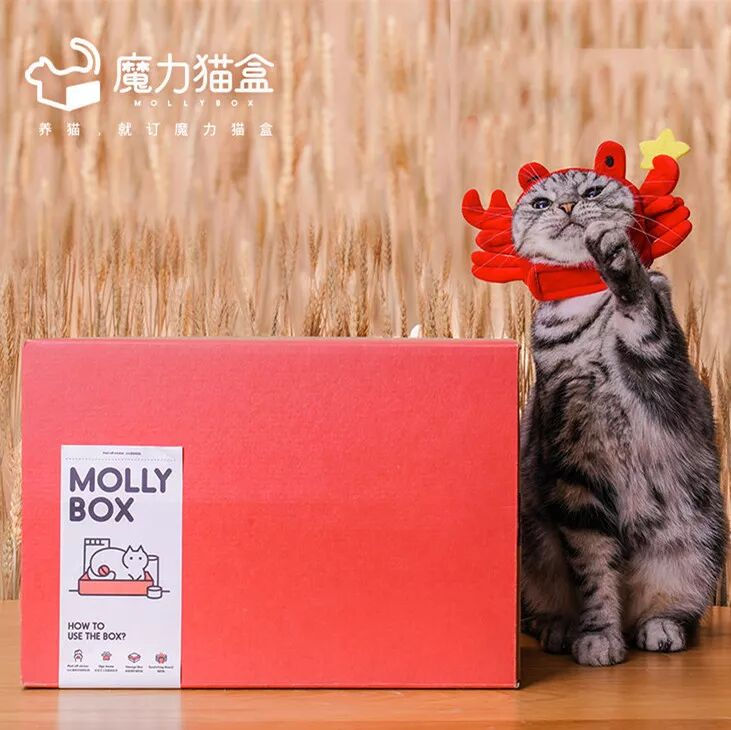
When MollyBox raised US$13 million in 2019, coverage of the round described it as the Chinese equivalent of BarkBox: a box of cat food, snacks and toys delivered every month to China’s growing ranks of urban cat owners. Seven years later, the box is one part of a broader business. MollyBox now sells its own accessories and cat-litter brands, distributes American pet-nutrition lines in China and sells small-pet products through U.S. retailers. Annual sales have reached approximately RMB480 million, according to company figures.
Much of that change has been directed by Simon Zhou, who joined MollyBox as supply chain director in December 2020 and has been its acting chief executive since November 2022. Founder Damian Yi Ju remains chief executive of record for investors. Internally, Ju said, Zhou directs the teams, sets operating decisions and manages the company’s relationships with suppliers and channel partners.
“The results of the last few years are not results I handed him,” Ju said. “He produced them.”
The shift comes as China’s pet market matures. Urban spending on pet dogs and cats reached RMB312.6 billion in 2025, according to industry white-paper data, but growth slowed to 4.1 percent from 7.5 percent a year earlier. Competition has also sharpened, with domestic brands gaining share in pet food through aggressive marketing and lower prices, Reuters reported in April 2026.
From box to business
MollyBox launched in 2017 and was an early mover in China’s pet-subscription market. Jiemian News, which named it Pet E-Commerce Platform of the Year at its 2021 Anxin Awards, described it as the country’s first subscription-based pet e-commerce platform. Investors including DCM and Mars-backed Digitalis Ventures funded its growth, and in 2022 the company raised a US$20 million Series C1 round and moved its headquarters to Suzhou Industrial Park.
The model had built-in limits. Acquiring a subscriber was expensive, the value of a single box had a natural ceiling, and MollyBox competed on convenience and retention rather than price. “That leaves the cost side as the real lever on whether a subscription business makes money at all,” Ju said. Planning was demanding, too: several products had to be in stock at once, and a shortage of one item could hold up a complete box.
Zhou spent his first two years at MollyBox on that problem, introducing structured planning and digital tools for daily ordering and inventory management and tying procurement to demand forecasts. When he took over the running of the company, he applied the same scrutiny to its portfolio. A proposed product line or sales channel, he found, carried costs in stock, staffing and fulfillment long before it produced revenue.
What changed
Not every initiative survived the review. Zhou wound down underperforming projects, restarted proprietary-brand development and set up operations serving third-party brands and distribution channels, which became MollyBox’s Taobao Partner and channel-distribution businesses. He also brought e-commerce and marketing together into a single omnichannel operation, so that promotions were planned against the stock available to support them.
“A subscription box is a promise to deliver again next month,” Zhou said. “Our own brands and our distribution business let us use what subscribers taught us about cat owners without carrying every cost of that promise.”
Under Zhou’s operational leadership, annual sales reached approximately RMB480 million, according to company figures. He launched MollyBox’s accessories brand, which reached approximately RMB30 million in annual Taobao sales, and built the Forsure Pet cat-litter brand to approximately RMB10 million in sales. The company now counts more than three million paying customers and more than 300,000 active subscribers, according to Ju.
The expansion came alongside three rounds of cost reduction, which cut management costs by about 60 percent and financial costs by about 30 percent while the business continued to grow, according to the company. Zhou took direct charge of the human resources and finance teams and closed a separate financing round led by BBG Group, Ju said.
Public signals
The company’s online selling has drawn outside coverage. A June 15, 2025 report on the Yangtze Evening News website put MollyBox’s first-stage 618 sales across platforms at nearly RMB40 million, up 38 percent year on year, and described its use of digital presenters alongside human livestream hosts. MollyBox products appeared on best-seller rankings for pet toys in 2023 and for cat scratchers in early 2024. In August 2024, Xinhua reported that Chery’s iCAR brand had included MollyBox among the partner brands in the lifestyle ecosystem it presented at the Chengdu International Auto Show.
What comes next
MollyBox has signed on to a pet-economy ecosystem project in Wujiang’s Taihu New City, a development of roughly 16,000 square meters representing about RMB200 million in total investment. The plan brings a physical pet-consumption district, an online service platform and a smart-manufacturing base into one location. Ju said Zhou led the negotiations and worked out the plan.
The project will test whether the operating discipline that rebuilt MollyBox’s supply chain can carry into physical infrastructure. “The box taught us what cat owners need between deliveries,” Zhou said. “Everything we have built since starts from that.”







