Leading Through Change with Presence and Authenticity – An Interview with Carla Madeleine Kupe
Carla Madeleine Kupe, a transformational leader and "Transition Midwife," shares insights into her unique approach to guiding organizations and leaders through times of change. With a background in law and extensive experience in leadership, Carla discusses how true transformation emerges when leaders embrace uncertainty, slow down, and focus on responsibility. In this interview, she emphasizes the importance of presence and authenticity in leadership, especially during complex transitions.
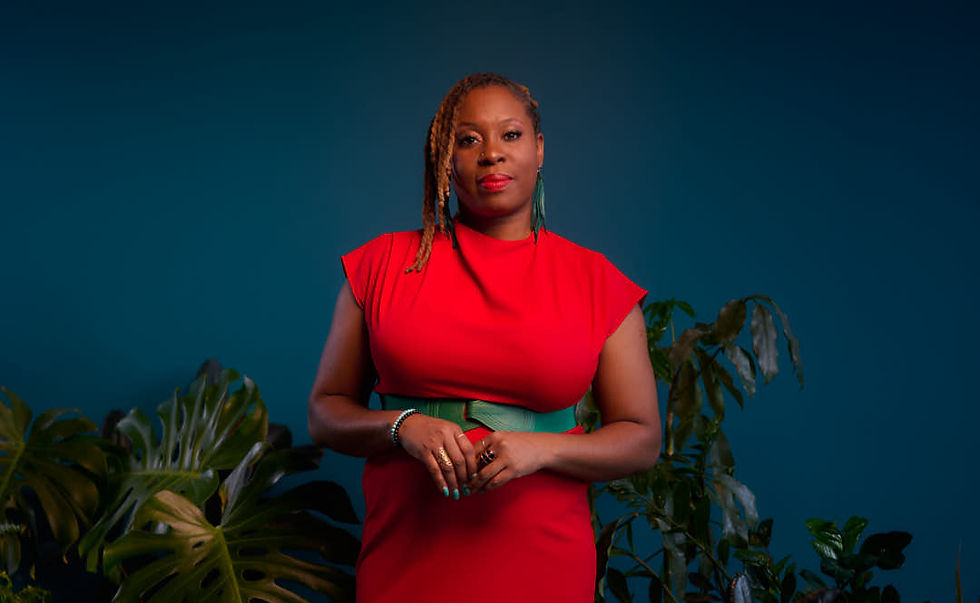
Carla Madeleine Kupe, Executive Leadership Advisor
How do you describe your work and way of being in the world today – and what life experiences most shaped how you lead, guide, and serve?
I describe my work as guiding people and systems through moments of transition – especially when something familiar is ending and something unnamed is trying to emerge. At its core, my work is about helping leaders and organizations stay present with complexity, responsibility, and change without collapsing into fear, control, or denial.
My path here has been shaped by standing at the intersection of law and leadership, structure and soul, power and humanity. I’ve worked inside institutions of various sizes, held formal authority, and seen firsthand how decisions ripple through people’s lives. I’ve also spent years observing, listening deeply, identifying patterns – to what isn’t being said, to what is being carried quietly, and to what breaks open when truth is finally named.
I don’t approach leadership as a performance or a set of competencies. I approach it as a practice of presence: how we hold power, how we relate to others, and how willing we are to be changed by what we are responsible for.
What moments or reckonings – personal, professional, or societal – most influenced the path you’ve taken into leadership and transformational work?
My work has been shaped less by a single defining moment and more by a series of reckonings – moments when I could no longer unsee the gap between how institutions say they operate and how power is actually experienced by people.
Working in law, philanthropy, higher education, and government exposed me to both the promises and the limits of formal systems. I saw how good intentions can coexist with harm, and how change efforts fail when they bypass truth, history, or lived experience. Personally, I’ve also navigated my own thresholds – times when identities I had built no longer fit who I was becoming.
Those experiences taught me that transformation isn’t something you impose. It’s something you accompany. That realization continues to guide how I work with leaders today.
You describe yourself as a “Transition Midwife” and “Possibilities Anchor.” What do these roles mean in practice, and why are they especially relevant for leaders and organizations right now?
I use the language of “Transition Midwife” because much of the work I do involves accompanying people through endings – of identities, roles, strategies, or ways of operating – that can no longer hold what’s being asked of them. Like any true transition, these moments are rarely clean or linear. They involve uncertainty, grief, resistance, and often a profound loss of certainty. Being a “Possibilities Anchor” means I help leaders stay grounded while moving through that uncertainty. I don’t rush people toward solutions or premature optimism. Instead, I help them remain steady enough to listen to inner wisdom and prompts, to tell the truth to themselves about what’s no longer working, and to sense what wants to be born next.
Right now, many leaders are being asked to navigate change at a pace and scale they were never trained or prepared for. Old maps no longer apply. My roles are about helping leaders meet this moment without bypassing it – so that what emerges is not just new, but more honest, authentic, and sustainable.
In this current moment of uncertainty and rapid change, where do you see leaders and organizations struggling most in how they hold authority and responsibility?
What I see most often is not a lack of intelligence or effort, but a lack of capacity to stay present with discomfort. Many leaders are under immense pressure to move quickly, appear certain, and avoid mistakes. In that environment, authority easily becomes defensive rather than responsive.
Leaders struggle most when they feel they must choose between control and care – between decisiveness and humanity. This false and binary framework leads to either overreach or paralysis. Important conversations get delayed. Harms go unaddressed. Change is announced without being metabolized.
Holding authority well and authentically in this moment requires something different: the ability to slow down internally even when things are moving fast externally; the willingness to acknowledge what has ended; and the courage to lead without having all the answers. That kind of leadership isn’t about certainty – it’s about responsibility.
When leaders or organizations engage your work sincerely, what kinds of internal shifts and structural changes tend to emerge over time?
The first shifts are usually internal. Leaders begin to notice how their own fear, urgency, or unexamined assumptions shape their decisions. There’s often a softening – an increased tolerance for complexity and a greater willingness to listen rather than react.
Over time, this internal work shows up structurally. Communication becomes clearer. Accountability becomes more relational and less punitive. Decisions are made with a deeper awareness of impact, not just intention. Trust by employees in leadership expands.
The transformation I witness is less about dramatic overhauls and more about alignment – between values and actions, authority and care, responsibility and humility.
What principles or ways of working guide your approach to leadership and organizational transformation, particularly in moments of transition or disruption?
I work from the belief that what is unacknowledged will eventually surface – often in more disruptive ways. So I prioritize honesty, pacing, and presence over quick fixes.
I also believe that transformation requires containers that are both structured and humane. People need clarity, but they also need space to feel, reflect, and make meaning of what’s changing.
Finally, I center responsibility – not blame. My work helps leaders see where they have agency, where repair is needed, and where courage is required to act differently.
How do you support leaders and organizations in letting go of identities, roles, or ways of operating – without bypassing grief or causing harm – so something new can emerge?
I help leaders slow down long enough to recognize what is actually ending. Often, harm occurs not because something ends, but because it ends without acknowledgment.
We name losses explicitly – of certainty, status, belonging, or legacy. We make space for grief and resistance without letting them stall movement entirely.
When endings are honored, renewal becomes possible. New ways of leading and relating can emerge that are grounded in truth rather than avoidance or control.
For leaders or organizations sensing the need for change but unsure where to begin, what is the first internal shift that makes meaningful transformation possible?
The first shift is moving from performance to presence. Before strategies or initiatives, leaders must be willing to examine how they personally relate to power, difference, and responsibility.
Without that internal reckoning, change efforts tend to replicate the very dynamics they’re trying to undo. With it, even small actions can begin to create meaningful movement.
How has your legal background shaped your understanding of power, accountability, and responsibility within leadership and organizational systems?
Legal training sharpened my understanding of how power operates – who holds it, how it’s exercised, and how harm is addressed or ignored. It taught me the importance of clarity, due process, and accountability.
At the same time, I saw the limits of purely legal solutions. Compliance alone cannot create trust or repair harm. That realization is what led me to focus on the human and relational dimensions of leadership alongside structural accountability.
What is one reflection or practice you invite leaders to sit with right now that could fundamentally change how they relate to authority, change, and responsibility?
I invite leaders to ask themselves: “What am I protecting – and at what cost?”Sitting honestly with that question can reveal where fear is driving decisions, where truth is being avoided, and where courage is needed. From there, leadership becomes less about image and more about integrity.
Follow me on LinkedIn for more info!
Read more from Carla Madeleine Kupe