How Trauma-Informed Bodywork Can Uplevel Your Wellness
Chelsey Gilbert is a licensed massage therapist of 10 years, trauma-informed somatic bodyworker, holistic wellness educator and host of the Transformative Talks Podcast. Through hands-on therapies, virtual services and creating educational content, she is driven to help others on their healing journey.

Massage and bodywork can be utilized for more than just relaxation or an occasional treat. For someone with a history of trauma, or for someone looking to deepen their healing and wellness journey, feeling comfortable with touch may require additional communication, flexibility, and trust.
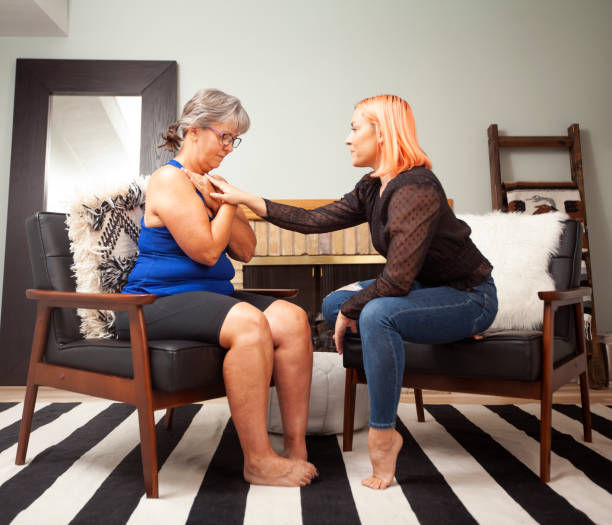
That is where a trauma-informed approach comes in. Trauma-informed bodywork recognizes that past experiences can influence how someone responds to touch, positioning, the treatment environment, and interactions with a practitioner. It places your comfort, choices, and boundaries at the center of the session. It also takes into consideration any current mental health or other treatments.
What it means to be trauma-informed
In massage therapy and somatic bodywork, being trauma-informed means recognizing that the body and nervous system may respond to touch, environment, and social connections based on previous experiences. A trauma-informed bodyworker intentionally creates a supportive environment through clear communication, informed consent, respect for boundaries, and an awareness of nervous system responses. The goal is not to uncover or diagnose anything.
It is also necessary to understand the boundaries of this approach. One of the most important things to remember is that bodywork is not mental health therapy. A massage therapist’s trauma-informed training does not qualify them to diagnose mental health conditions, provide psychotherapy, or interpret your experiences. Additional bodywork education does not replace the professional qualifications required to practice mental health care. Unless a practitioner also holds the appropriate mental health license and is explicitly providing that separate service, their work should remain within their bodywork scope of practice.
A trauma-informed practitioner should also not deliberately trigger you, pressure you to revisit painful experiences, or promise to “release trauma” from your body. You do not need to share your trauma history to have your boundaries respected. You also do not need to cry, experience an emotional breakthrough, or have an intense physical response for a session to be meaningful. Sometimes people believe that bodywork must hurt or feel overwhelming to be effective. But discomfort is not a measure of progress. Your session does not have to be intense to be valuable. Feeling comfortable enough to rest, notice a sensation, or ask for an adjustment can be an important experience in itself.
Communication is key
Clear, ongoing communication is a central part of trauma-informed bodywork. Before a session, your practitioner may ask about your goals, preferences, relevant health history, and anything that would help you feel more comfortable. Some intake questions may explore sensitivities or previous experiences with bodywork. The practitioner should explain why the information is relevant, and you can ask questions or decline to discuss personal details.
During the session, communication should remain open. Some examples of what can be communicated:
More or less pressure.
A change in positioning, draping, or technique.
That a particular area be avoided.
More explanation, or less conversation.
A pause or an end to the session.
Emotional distress caused by working on a particular area.
A need for hands-off time to process.
Consent and preference are an ongoing conversation. Agreeing to something at the beginning does not mean you have to continue if your comfort changes. You do not need to push through an unpleasant experience to be a “good client.” If you do have trouble communicating, a good trauma-informed bodyworker may pick up on your body’s cues and open a curiosity-driven dialogue.
Awareness of stress response
Sometimes we don’t know how to communicate something, or our subconscious is giving us signals that we don’t pick up on immediately. This is why having an understanding and awareness of what an activated nervous system looks like is part of trauma-informed care. A practitioner with trauma-informed training should have an understanding of how stress and overwhelm can affect a person’s experience of touch. For example, someone might become restless, tense, unusually quiet, or feel disconnected during a session. These responses can have many explanations, so a practitioner should check in rather than assume they know what is happening.
You may also hear the term “window of tolerance” connected to the topic of being trauma-informed. This describes the range in which a person feels able to stay present and manage what they are experiencing. In bodywork, the practical goal is to choose a pace and approach that feels manageable for you. That might mean slowing down, changing techniques, offering a different position, or stopping touch altogether. A practitioner can work to create a supportive environment, but only you can describe whether it feels comfortable to you.
Building trust with boundaries
Trauma-informed care recognizes that your preferences and comfort matter throughout the appointment. You might prefer to remain clothed, avoid certain areas, keep your eyes open, or know what the practitioner plans to do before they begin. Those preferences deserve a respectful conversation. The practitioner should explain the available options and any limits to what they can provide. Together, you can decide whether the proposed session meets your needs. Trust develops through consistent actions: listening, asking permission, respecting a “no,” and adjusting when something does not feel right.
Boundaries can also change over time. For someone coming into a session with a history of physical abuse, light touch or off-body modalities may be preferred. With time, as trust is built, that same person may begin to feel more comfortable with firmer pressure or traditional massage techniques. No matter the boundary, even if it seems small, it should be honored.
Knowing when to refer out to other practitioners
Bodywork can be one part of a broader support system. It cannot meet every physical, emotional, or mental health need.
A practitioner who recognizes the limits of their role may suggest another qualified professional when appropriate. This could include a licensed mental health clinician, medical provider, physical therapist, or another practitioner whose expertise fits your goals. Some signs that a bodyworker may need to refer a client to another practitioner could include:
A plateau in progress.
A client’s need for verbal processing increases.
Noticing gaps in a client’s care between sessions.
A client requesting treatments outside the bodyworker’s scope of practice.
A client directly asking for referrals.
If a bodyworker does refer a client out, it does not mean the client cannot continue care with the bodyworker. The client can choose to continue, take a break, or move on altogether. The intention is always to act in the client’s best interest.
Finding a trauma-informed bodyworker
For someone looking to connect with a trauma-informed practitioner, a little bit of time and research is all that is needed. Browsing websites and social media can be a good start. A website description can be informative, but a consultation gives you an opportunity to learn how a practitioner applies their training.
During a consultation, consider asking:
What trauma-informed education have you completed?
How do you handle consent and check-ins during sessions?
Can I remain clothed or request that certain areas be avoided?
What happens if I feel overwhelmed or want to stop?
How do you determine when another professional’s support may be appropriate?
Notice how the practitioner responds. Are they open to questions? Do they explain their approach clearly? Do you feel comfortable expressing a preference or concern?
The right fit may also change over time. Choosing another practitioner or deciding that bodywork is not what you need right now is completely valid. Trauma-informed bodywork makes room for you to participate in your care while supporting the possibility for deeper work to be done. If you are looking to learn more or connect with holistic practitioners, check out the Empowered Healing Community or tune into the Transformative Talks Podcast.
Read more from Chelsey Gilbert
Chelsey Gilbert, Trauma-Informed Bodyworker, Educator, & Podcaster
Chelsey Gilbert is a licensed massage therapist, trauma-informed somatic bodyworker, and holistic wellness educator with a passion for helping others reconnect with their mind, body, and spirit. Through her own healing journey and personal experience living with complex PTSD, Chelsey has developed a deep understanding of the importance of self-awareness, compassion, and creating safe spaces for healing and personal growth. She founded Transformative Wellness and created the Empowered Healing Community with the intention of empowering others to navigate their own unique healing journeys, along with hosting the Transformative Talks podcast.