How Flora Dong's Experience Led Her to Focus on Cross-Border Wealth Planning
For many people, wealth management begins with investments. Over the course of her career, Flora Dong found that many client conversations extended well beyond investment management. As families' financial lives became more complex, discussions often included business succession, estate planning, family governance, philanthropic goals, and coordinating planning across multiple jurisdictions.
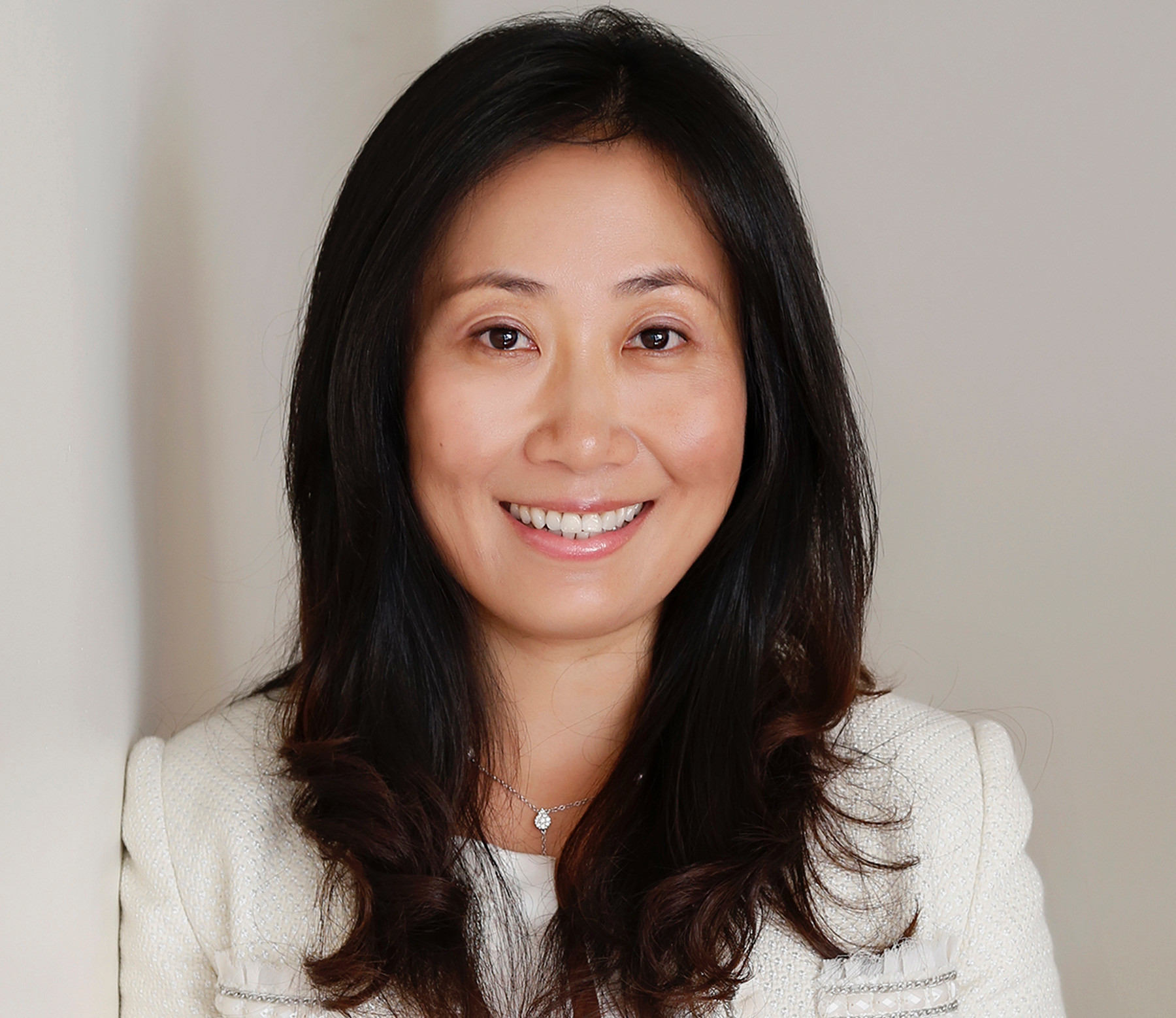
After more than twenty-five years in wealth management, Dong has worked with individuals, families, entrepreneurs, and business owners whose financial interests often extend beyond a single country.
"My clients' circumstances are often more complex than a traditional investment relationship," Dong says. "Many have businesses, investments, or family members in multiple countries, so planning discussions may involve coordinating with legal, tax, and other professional advisors, depending on each family's situation."
Those experiences influenced the way she approaches client relationships today.
Looking beyond investment management
Early in her career, Flora Dong expected many conversations to focus primarily on portfolios and market performance.
Instead, she found that clients often wanted to discuss broader planning considerations. Depending on their circumstances, conversations could include business transitions, preparing future generations for greater responsibility, philanthropic planning, or coordinating financial matters across multiple jurisdictions.
"I realized fairly quickly that investment management was often one part of a broader discussion," Dong says. "Before discussing recommendations, I wanted to understand each family's objectives, priorities, and overall financial circumstances."
That perspective continues to shape her work today.
Cross-border planning often involves additional considerations
A significant portion of Dong's practice includes clients whose financial interests span North America, Asia, and other international markets.
Some have business interests in multiple countries. Others maintain investments or family relationships outside the United States. Depending on the client's circumstances, those situations may involve additional planning considerations and coordination among multiple professional advisors.
"When a family's financial life extends across more than one jurisdiction, planning often requires communication among investment professionals, attorneys, accountants, and other advisors," Dong says. "Each family's circumstances are different, so the planning process reflects those individual needs."
Every family has different priorities
Dong says one of the most consistent observations throughout her career has been that families rarely define success in exactly the same way.
Some clients prioritize preserving a family business. Others focus on charitable giving, educating future generations, or organizing family governance discussions. For families with international financial interests, priorities may also include coordinating planning across countries while remaining mindful of changing family circumstances over time.
"Two families may have similar financial resources but very different objectives," Dong says. "Those differences are an important part of understanding how planning should be approached."
Establishing Ardenwood Advisors
When Dong founded Ardenwood Advisors, she wanted to continue working with clients whose planning needs often extended beyond investment management alone.
Depending on the client's circumstances, those relationships may include investment advisory services, family office support, financial planning, and coordination with clients' legal, tax, and other professional advisors.
"My objective was to continue building a practice that allows time to understand each client's circumstances before developing recommendations," Dong says.
The importance of coordination
Dong believes that financial planning often involves multiple moving parts, particularly for clients with financial interests across several jurisdictions.
Rather than viewing those planning areas independently, she believes communication among clients and their professional advisors can be an important part of the planning process.
"Different advisors often bring different areas of expertise," Dong says. "When appropriate, coordinating those conversations can help ensure planning discussions consider the client's overall objectives."
An evolving area of wealth planning
Looking ahead, Dong expects technology, demographic trends, and increasingly international financial lives to continue influencing wealth management and financial planning.
She also believes many families will continue evaluating how investment management fits within broader discussions about succession planning, family governance, philanthropy, and long-term financial objectives.
"As families' circumstances continue to evolve, planning discussions naturally evolve as well," Dong says. "Every family's situation is different, so the planning process should reflect those individual circumstances."
For Dong, those observations have shaped the direction of her career. While investment management remains an important part of her work, she believes understanding each client's broader financial circumstances provides important context for planning discussions over time.
Disclosure: This article is provided for general informational purposes only and reflects Flora Dong's views as of the publication date. It should not be construed as investment, legal, tax, or accounting advice or as a recommendation regarding any investment strategy or security. Advisory services are offered through Ardenwood Advisors, an SEC-registered investment adviser. Registration does not imply a certain level of skill or training. Readers should consult their own professional advisors regarding their individual circumstances.