

How Anxiety Quietly Shapes Family Systems
Christian Dounis combines strategic psychotherapy and clinical hypnotherapy with proven entrepreneurial experience to guide individuals toward personal and professional success. Through a focus on mindset transformation and clear, actionable goal-setting, he helps clients build resilient pathways to achieve lasting fulfillment.

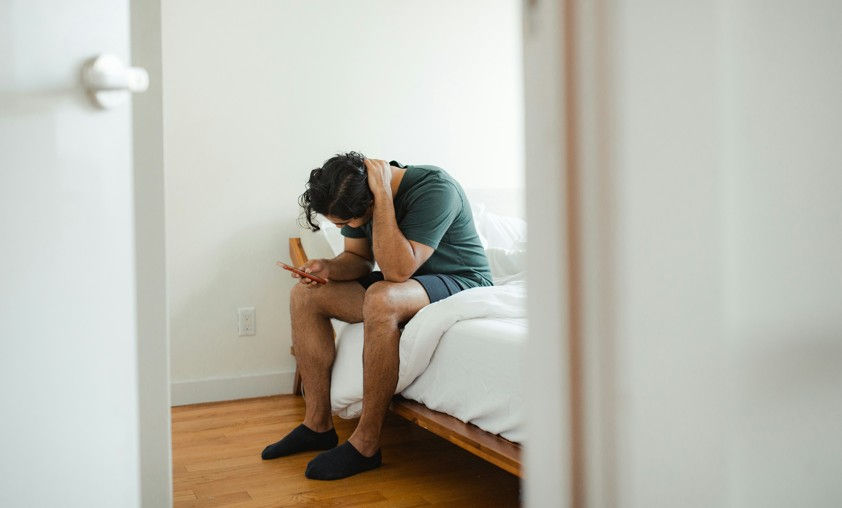
Anxiety rarely affects only one person inside a family. Even when just one individual appears visibly anxious, the emotional ripple effects often spread quietly throughout the entire household over time. Family members begin adapting to the anxiety in ways they may not even consciously recognise. Conversations change, routines shift, emotional tension becomes normalised, and the family slowly begins organising itself around preventing distress, avoiding overwhelm, or maintaining emotional stability. What makes this especially challenging is that these patterns often develop gradually and with very good intentions.
Most families are not trying to reinforce anxiety. In fact, they are usually trying to reduce suffering, maintain peace, support one another emotionally, and protect loved ones from discomfort. But anxiety can quietly shape family systems in ways that become deeply ingrained over time, particularly when reassurance, emotional accommodation, hypervigilance, and avoidance begin to become part of everyday family life.
One of the most common patterns seen within anxious family systems is reassurance seeking. An anxious child, partner, or family member may repeatedly ask questions in an attempt to feel emotionally safe and certain. They may ask if everything is okay, whether someone is upset with them, whether something bad might happen, or whether they are making the right decision. Naturally, family members often respond with reassurance because they genuinely want to comfort the person they love.
Initially, reassurance often works. The anxious person feels calmer temporarily, the emotional tension decreases, and the family experiences a short period of relief. But over time, the nervous system can unintentionally begin learning that safety only comes through external reassurance rather than internal emotional regulation. As a result, reassurance often becomes needed more frequently and more intensely. Families may eventually find themselves trapped inside repetitive emotional loops where the anxious person continuously seeks certainty and loved ones feel responsible for providing it.
This pattern is explored further in The Reassurance Trap – Why Seeking Comfort Can Keep Anxiety Alive, which examines how excessive reassurance seeking can unintentionally reinforce anxiety by teaching the nervous system that safety must constantly come from external certainty rather than internal regulation.
This does not mean reassurance is harmful or that people should stop comforting one another emotionally. Human beings absolutely need connection, support, and emotional safety. The challenge occurs when reassurance becomes the primary strategy for managing anxiety, because it can unintentionally reduce a person’s opportunity to develop emotional tolerance, self-soothing abilities, and confidence in their ability to cope with uncertainty.
Another powerful way anxiety quietly shapes families is through emotional contagion. Human nervous systems constantly influence one another, especially inside close relationships where emotional connection and repeated interactions occur daily. When one person in the home is highly anxious, emotionally reactive, hypervigilant, or overwhelmed, other family members often begin absorbing that emotional energy themselves.
Children are particularly sensitive to emotional environments. Even when adults attempt to hide stress, children frequently pick up on emotional tension through tone of voice, body language, urgency, irritability, emotional inconsistency, or changes in routine. A parent who constantly worries may unintentionally teach a child that the world is unsafe. A highly stressed household can slowly create children who become emotionally vigilant themselves, constantly scanning for tension or signs that something is wrong.
Over time, entire families can begin functioning in heightened states of nervous system activation without fully recognising it. Family members may become more reactive, emotionally sensitive, irritable, overwhelmed, or emotionally exhausted simply because anxiety has gradually become woven into the emotional atmosphere of the home.
This heightened emotional vigilance often mirrors the overthinking and mental scanning patterns discussed in Amanda Dounis’ article, Strategic Psychotherapy for Overthinking – Break the Cycle and Build Mental Flexibility, which explores how chronic cognitive overanalysis can quietly maintain emotional exhaustion and anxiety within individuals and relationships.
Another important pattern commonly seen in anxious family systems is accommodation. Accommodation occurs when family members begin changing their own behaviours, routines, or expectations in order to reduce another person’s anxiety. Parents may allow children to avoid stressful situations, partners may avoid difficult conversations to prevent emotional escalation, or families may adjust plans constantly to reduce distress.
Again, these behaviours almost always come from care, love, and protection. No parent wants to see their child distressed. No partner wants to see someone they love overwhelmed or emotionally struggling. But over time, excessive accommodation can unintentionally reinforce anxiety because the nervous system begins interpreting the anxiety as something dangerous that must always be avoided or managed externally.
This pattern can become especially visible in school avoidance and emotionally based school distress, where families often adapt around a child’s anxiety in an attempt to reduce overwhelm and emotional suffering, themes explored further in Your Child Is Refusing To Go To School – Here’s What’s Really Happening.
For example, if a child continually avoids situations that create anxiety and adults consistently remove those situations, the child may never have opportunities to discover they are capable of coping successfully. Similarly, if family members constantly adapt around an anxious person’s fears, the anxiety itself may quietly gain more influence over the entire family system.
Avoidance also plays a major role in maintaining anxiety within families. Anxiety often convinces people that avoiding discomfort will create safety. In the short term, avoidance usually works because it immediately reduces distress. But because the feared situation is never emotionally processed or tolerated, the nervous system never learns that the discomfort may actually be manageable.
Over time, avoidance can slowly shrink a family’s emotional and behavioural world. Families may stop attending social events, avoid conflict, become overly protective, reduce independence, or walk on eggshells emotionally in order to keep anxiety from escalating. The household slowly becomes organised around preventing discomfort rather than building resilience.
Many of these emotional cycles become deeply repetitive over time, even when families consciously recognise the distress they are creating. This dynamic is explored further in Why We Repeat the Same Emotional Patterns Even When We Know Better, which examines how emotional conditioning and nervous system learning can keep unhealthy relational patterns repeating automatically.
One of the biggest misconceptions about anxiety is that it is simply “overthinking” or irrational worry. In reality, anxiety often becomes deeply relational. It influences communication patterns, emotional reactions, family roles, nervous system functioning, and the emotional climate of the home itself.
This is why helping with anxiety often requires more than simply telling someone to “stop worrying.” Families frequently benefit from learning healthier emotional regulation skills together. This may involve developing greater emotional awareness, reducing reactive reassurance cycles, building tolerance for uncertainty, communicating more calmly, creating emotional predictability, and gradually helping family members move toward discomfort safely rather than automatically escaping it.
Importantly, conversations about anxiety inside families should never become about blame. Most families are genuinely doing the best they can with the emotional tools, experiences, and coping strategies they currently have. Parents who over-accommodate anxious children are usually trying to protect them. Partners who repeatedly reassure anxious loved ones are often trying to comfort them. Families who adapt around anxiety are typically attempting to reduce distress and maintain stability.
These patterns develop from care, not failure. The goal is not criticism. The goal is awareness. Because once families begin recognising how anxiety quietly shapes emotional systems, they can begin responding more intentionally rather than automatically. Small changes in emotional responses, communication patterns, boundaries, and regulation can create significant shifts throughout the entire family environment over time.
Perhaps one of the most important things families can learn is that supporting someone with anxiety does not always mean removing discomfort from their life.
Sometimes the most supportive thing we can do is help people discover that they are capable of moving through discomfort safely, tolerating uncertainty, and building emotional resilience without needing the entire world to shrink around their fears. That is often where real confidence and long-term emotional growth begin.
Read more from Christian Dounis
Christian Dounis, Psychotherapist, Hypnotherapist, and Counselor
Christian is known for blending strategic psychotherapy, hypnosis, EMDR, and neuroscience-informed techniques to help clients understand their patterns, regulate their emotions, and build long-term resilience. Christian has a particular passion for supporting adolescents as they navigate identity, anxiety, and the pressures of modern life, and he strives to make therapy engaging, empowering, and genuinely transformative.







