

Feeling Tired? Don't Take Ginseng Until You Read This
Dr. Andrew Houn is a Doctor of Acupuncture and Chinese Herbal Medicine, professor, and founder of the award-winning Beyond Acupuncture in Dana Point, California, providing acupuncture services to Laguna Niguel, Dana Point, and Laguna Beach. He specializes in pain management, longevity, fertility support, women's health, and stress management.

Feeling exhausted? Your first instinct might be to reach for another cup of coffee, an energy drink, or an herbal supplement like ginseng. Ginseng has been used in Traditional Chinese Medicine (TCM) for thousands of years to support energy, stamina, and vitality. Today, it remains one of the world's most popular herbal supplements. But here's something many people don't realize. Not all types of ginseng are equally suited to everyone experiencing fatigue. The reason is simple. Fatigue is a symptom, not a diagnosis.
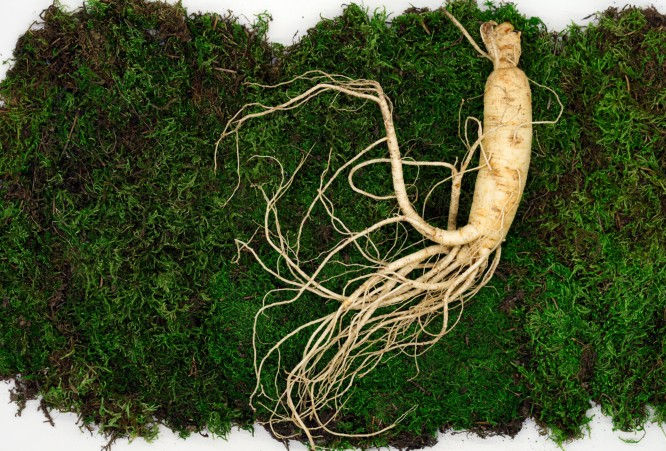
Asian ginseng: The powerful, warming energy tonic
Asian ginseng, known as Ren Shen (Panax ginseng), is native to East Asia and extensively cultivated in Korea and China.
In Chinese medicine, Asian ginseng is considered one of the most powerful herbs for strengthening Qi, or vital energy. It is traditionally used to address weakness, exhaustion, and certain deficiency conditions.
Considered slightly warm in nature, Asian ginseng may be particularly suitable for individuals experiencing fatigue accompanied by weakness and coldness.
A 2013 randomized clinical trial titled "Antifatigue Effects of Panax ginseng C.A. Meyer: A Randomized, Double-Blind, Placebo-Controlled Trial," published in PLOS ONE, studied 90 individuals with unexplained chronic fatigue. Researchers reported improvements in mental fatigue and certain other fatigue measures among participants receiving ginseng extract compared with those receiving a placebo.
Understanding the effects of Asian ginseng
Although Asian ginseng is generally well tolerated by many healthy adults at recommended doses, its warming properties may not suit everyone.
From a TCM perspective, individuals experiencing facial flushing, irritability, headaches, or sensations of excessive heat may benefit more from a cooling or Yin-nourishing approach.
According to the National Institutes of Health's National Center for Complementary and Integrative Health (NCCIH), insomnia is the most commonly reported side effect of Asian ginseng. Other possible effects include headaches, nervousness, and digestive discomfort.
Individuals with high blood pressure should exercise caution because ginseng's effects on blood pressure can vary. It may also affect blood glucose regulation and interact with certain medications, including blood thinners and diabetes treatments.
Prolonged use of a warming herb when a cooling approach would be more appropriate may aggravate certain symptoms in susceptible individuals.
American ginseng: The cooler, gentler alternative
American ginseng, known as Xi Yang Shen (Panax quinquefolius), is native to eastern North America, with Wisconsin being a major center of commercial cultivation.
American ginseng also played an important role in early American trade. In 1784, the Empress of China, the first American merchant ship to establish direct trade with China, carried approximately 30 tons of American ginseng. John Jacob Astor, one of America's earliest multimillionaires, also participated in the lucrative ginseng trade.
Unlike Asian ginseng, American ginseng is considered cool in nature. It traditionally strengthens Qi while nourishing Yin and replenishing body fluids, making it particularly suitable for certain individuals experiencing fatigue accompanied by dryness, thirst, or internal heat.
Because of these properties, American ginseng is often regarded as a gentler alternative in traditional practice, particularly for individuals who may not benefit from a warming tonic. However, it can still cause side effects and interact with medications.
A 2013 randomized clinical trial published in the Journal of the National Cancer Institute examined 364 patients with cancer-related fatigue. After eight weeks, participants receiving American ginseng experienced significantly greater improvements in fatigue than those receiving a placebo.
The science behind ginseng, what are ginsenosides?
Ginsenosides are among the primary active compounds in ginseng and are associated with potential effects on inflammation, immune function, blood glucose regulation, and the nervous system.
A 2009 scientific review titled "Ginsenosides: Chemistry, Biosynthesis, Analysis, and Potential Health Effects," published in Advances in Food and Nutrition Research, examined their biological activities. The review described research suggesting that certain ginsenosides possess antioxidant, anti-inflammatory, neuroprotective, and immune-modulating properties, primarily based on laboratory and animal studies.
Asian and American ginseng contain different proportions of ginsenosides, which may contribute to differences in their biological effects.
Korean red ginseng is produced by steaming and drying Asian ginseng, a process that transforms certain ginsenosides into compounds such as Rg3, Rg5, and Rk1. These compounds have shown promising anti-inflammatory, antioxidant, and neuroprotective activities in laboratory studies, giving Korean red ginseng a distinct chemical profile that may enhance certain biological effects compared with unprocessed ginseng.
These findings help explain why different ginseng species and preparations continue to attract scientific interest. However, their traditional warming and cooling classifications are based on Chinese medicine principles rather than individual chemical compounds.
Why fatigue requires an individualized approach
Imagine two patients seeking treatment for persistent fatigue. The first experiences weakness, poor appetite, and a tendency to feel cold. The second has a dry mouth, thirst, and sensations of internal heat.
Although both feel exhausted, their symptoms suggest different patterns in Chinese medicine. The first may benefit from a warming approach, while the second may require a cooler, more nourishing treatment.
Importantly, fatigue is not always caused by a deficiency. It may also be associated with Liver Qi stagnation, Blood stasis, or the accumulation of Dampness and Phlegm. In these cases, simply taking a tonifying herb like ginseng may not be the most appropriate approach.
A qualified Chinese herbal medicine practitioner considers symptoms, medical history, constitution, and the underlying TCM pattern before recommending a treatment. Depending on the individual's needs, ginseng may be combined with other herbs, or alternatives such as Huang Qi (Astragalus), Dang Shen (Codonopsis), or Bai Zhu (Atractylodes) may be more suitable.
Sometimes the answer isn't a different type of ginseng, but an entirely different herbal approach. Persistent or unexplained fatigue also warrants medical evaluation because it may be associated with anemia, thyroid disorders, sleep apnea, or other underlying conditions.
The Beyond Acupuncture approach to Chinese herbal medicine
At Beyond Acupuncture, an award-winning acupuncture and Chinese medicine clinic serving Laguna Niguel, Laguna Beach, Dana Point, and surrounding Orange County communities, we believe effective herbal medicine begins with accurate assessment, individualized treatment, and high-quality ingredients.
Our clinic maintains an inventory of more than 200 individual Chinese medicinal herbs and formulas, allowing us to create customized treatments using high-quality ingredients from reputable suppliers.
Dr. Andrew Houn, founder of Beyond Acupuncture, is a Doctor of Acupuncture and Herbal Medicine and a professor of Chinese herbology at South Baylo University. Having studied and taught the properties, functions, and clinical applications of more than 300 Chinese medicinal herbs, he applies this expertise to guide the clinic's individualized herbal treatments.
In addition to individualized herbal treatments, we also offer traditional herbal blends designed to support general wellness. One example is our longevity formula, which combines ginseng (Ren Shen), cordyceps (Dong Chong Xia Cao), and astragalus (Huang Qi), three celebrated Chinese herbs traditionally valued for supporting vitality and healthy aging.
To learn more about our approach to Chinese herbal medicine and explore our herbal offerings, visit here.
Follow me on Instagram for more info!
Read more from Andrew Houn
Andrew Houn, Acupuncture for Health and Longevity
Dr. Andrew Houn is a Doctor of Acupuncture and Chinese Herbal Medicine (DACCHM), professor, and founder of the award-winning Beyond Acupuncture in Dana Point, California. His clinic serves Laguna Niguel, Dana Point, and Laguna Beach with acupuncture and Chinese herbal medicine. His specialties include pain management, longevity, fertility support, women's health, digestive disorders, neurological conditions, stress management, and post-surgical recovery. He earned his doctorate from Pacific College of Health and Science and a master's degree from South Baylo University, where he teaches. He also holds degrees from Johns Hopkins University and UC Berkeley, studied at Shanghai Jiao Tong University, and worked at UC Irvine Medical Center.
Disclaimer: This article is for educational purposes and does not replace individualized medical advice. Consult a qualified healthcare professional before taking ginseng or other Chinese herbal formulas, particularly if you have existing medical conditions or take prescription medications.







