

Coping With High School Pressures – A Comprehensive Guide For Students
Amanda Dounis, is a leader in kids, tweens and teens coping skills. A professional award-winning leader in the early childhood industry, Amanda has added wonderful tools to her therapy practice. Amanda says it's difficult for these kids working through these challenging years.

Navigating high school requires balancing academics, social life, and personal well-being. Here are practical tips, positive affirmations, and guided visualisations to help students manage the diverse pressures they face.
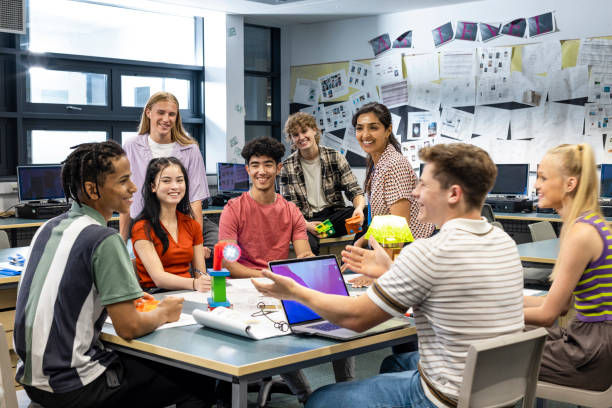
1. Managing friendship issues
Communicate openly about your feelings and concerns.
Choose friends wisely, aligning with those who share similar values and offer mutual support.
Seek help from a counsellor or trusted adult if needed.
Affirmation: "I choose to surround myself with positive people who uplift and support me."
Visualisation: Imagine sitting in a circle with your closest friends, each sharing a positive word about you, feeling the mutual respect and support.
2. Handling academic workload
Break tasks into smaller steps and set achievable goals.
Use a planner to keep track of assignments and deadlines.
Ask for help when you don’t understand something.
Affirmation: "I am capable of handling my studies one step at a time."
Visualisation: Picture yourself organising your school papers at a large, clear desk, planning your week with ease and completing each task successfully.
3. Preparing students for exams
Start preparing early to avoid last-minute cramming.
Practice past exam papers to familiarise yourself with the format.
Form study groups to gain new insights and support.
Affirmation: "Every study session is a step toward my success."
Visualisation: Visualise walking into the exam room feeling confident and prepared, answering questions with certainty.
4. Overcoming procrastination
Set clear priorities and deadlines for yourself.
Eliminate distractions such as social media during study time.
Reward yourself for completing tasks to maintain motivation.
Affirmation: "I am focused on completing my tasks today, not tomorrow."
Visualisation: Envision yourself turning off all distractions and starting your work, progressing smoothly and feeling a sense of pride.
5. Dealing with sports pressure
Communicate with coaches about your academic needs and any scheduling conflicts.
Maintain a routine that balances practice, games, and study time.
Stay physically and mentally fit to handle the demands of both sports and school.
Affirmation: "I am both a dedicated athlete and a successful student."
Visualisation: Imagine standing on the field or court, performing effortlessly and skillfully, supported by the crowd.
6. Navigating body image issues
Focus on your qualities and achievements rather than appearance.
Engage in physical activities that you enjoy, which improve mood and self-esteem.
Avoid comparing yourself to unrealistic standards portrayed in media.
Affirmation: "I am proud of who I am, not just how I look."
Visualisation: Picture yourself looking in a mirror, surrounded by positive words about your character and strengths, feeling acceptance and pride.
7. Prioritising sleep
Stick to a regular sleep schedule, even on weekends.
Create a bedtime routine that promotes relaxation.
Limit caffeine and screen time before bed.
Affirmation: "Rest is essential, and tonight, I choose to recharge fully."
Visualisation: Imagine preparing for bed in a soothing environment, feeling the comfort of your bed, and drifting into deep, peaceful sleep.
8. Balancing device use
Set specific times for checking social media and playing games.
Use apps that limit screen time or block distracting sites during homework.
Be mindful of your online activities and prioritise offline interactions.
Affirmation: "I control my device usage to enhance my productivity and well-being."
Visualisation: See yourself putting your phone away and engaging in offline activities like reading or being in nature, feeling free and focused.
Conclusion
By combining these strategies, affirmations, and visualisations, high school students can better navigate the pressures they face, leading to a more balanced and fulfilling school experience. Each element helps reinforce the others, creating a robust toolkit for personal and academic success.
Amanda Dounis, Counsellor, NLP, Psychotherapist, Coach, Teacher
Amanda Dounis, is a leader in kids, tweens and teens coping skills. A professional award-winning leader in the early childhood industry, Amanda has added wonderful tools to her therapy practice. Amanda says it's difficult for these kids working through these challenging years. So she enthusiastically joins their ride to show them to smooth over bumpy roads and keep moving forward. In the end, it's the challenges that give them the opportunity to practice their coping skills. She certainly promotes self-empowerment through courage and curiosity.



