AI is Changing the Rules of Public Relations, Are You Keeping Up?
Phyllis Caddell is an author, ghostwriter, publicist, and communications strategist. She has been guiding clients in developing, crafting, and improving their brand narratives for over 27 years.

Remember when getting your client featured in a major publication was enough to make you feel like you'd hit the public relations (PR) jackpot? A great headline, a few impressive backlinks, some social media buzz and voilà! Mission accomplished. Well, not so fast. The rules of public relations are changing, and AI is helping rewrite them. For decades, publicists have worked to get their clients noticed by journalists, featured in respected publications and recognized as leaders in their industries. Those fundamentals haven't disappeared. But now AI is another player influencing how brands are discovered, researched and recognized. Whether we like it or not, we need to pay attention.
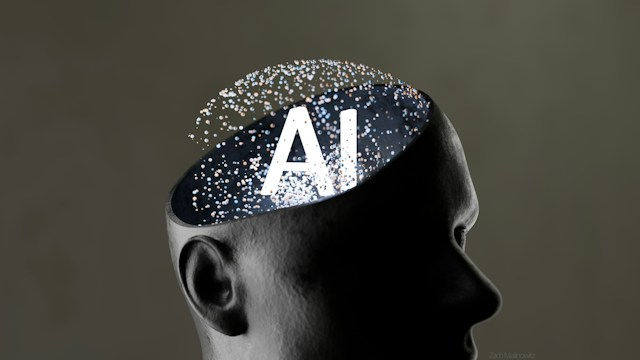
Think about it. Instead of scrolling through pages of Google results, people are asking ChatGPT and other AI platforms questions like “Who are the leading experts in this industry?” or “Which companies should I consider for this service?”
That raises an interesting question for those of us in public relations. What happens when your client has an impressive media portfolio but doesn't appear in those conversations? That's where our strategies need to evolve.
But let's get something straight. AI is changing how brands are discovered, not eliminating the principles that make public relations effective. Credibility, media relationships, strategic thinking and compelling storytelling are just as important today as they've always been. In fact, I'd argue they're becoming even more valuable.
The challenge is understanding how to apply those principles in a world where people increasingly rely on AI to find information, evaluate businesses and identify industry experts. That's where things get interesting.
1. Be intentional about what you want your brand to be known for
Every brand wants visibility. But visibility for what? Before developing your next PR campaign, identify the topics, industries and conversations where your client should have a recognizable presence.
For example, if you're representing the chief executive officer of a construction management company, you don't want that executive to be known simply as a successful business owner. You may want the company associated with infrastructure development, industry innovation, workforce development or leadership in construction. That distinction matters.
AI platforms draw information from a variety of sources to generate responses. When a brand has a clear area of expertise that is well documented, it has a stronger foundation for being accurately associated with relevant topics.
A credible reputation isn't built through one press release or a single media placement. It's developed through consistent messaging, meaningful coverage and relationships that establish authority over time. I repeat, over time. As publicists, our job is to help establish those connections through thoughtful positioning, meaningful storytelling and consistent media outreach.
PR takeaway: Stop chasing visibility for visibility's sake. Make sure your client is being recognized for something specific.
Related article: Why AI Search Is Bringing SEO and Brand Marketing Together
2. Stop assuming bigger media outlets always mean better results
I love a major national media placement just as much as the next publicist. Who wouldn't? But here's something I've emphasized throughout my career. The right audience is often more valuable than the largest audience.
A feature in a respected industry publication can sometimes do more for a client's credibility than a brief mention in a national outlet with millions of readers. Let's say you're representing a company specializing in commercial construction. Coverage in an industry publication such as Engineering News-Record or Construction Dive may provide more relevant context than a general business mention that barely explains what the company does. That detailed coverage helps establish expertise among the people who actually matter to the brand.
But don't overlook local media either. Let me give you an example of why I never underestimate the power of local television.
I pitched a heartwarming story to Detroit media about a teenager with a rare genetic condition who received shoes made to fit her. The story centered on Addisyn Lumpkin, who was 13 at the time and wears a men's size 22 shoe, and on the collaboration among Pensole Lewis College of Business & Design (PLC Detroit), Shoes That Fit and Nordstrom to help meet her needs.
Both WJBK-TV FOX 2 Detroit and WXYZ-TV 7 News Detroit covered the story, and the results were impressive. FOX 2 Detroit's coverage, “Teen With Rare Condition Receives Custom Shoes,” appeared on a website that reported 878,000 unique visits. The story generated 4,780 views and 81 social media shares.
WXYZ-TV 7 News Detroit's coverage, “Teen With Rare Weaver-Smith Syndrome Gets Custom-Designed Shoes to Fit Her Size 22 Feet,” appeared on a website that reported 781,000 unique visits. That story generated another 3,660 views and 82 social media shares.
Combined, these two local television placements generated 8,440 views and 163 social media shares. The stations' websites also reported a combined 1.66 million unique visits across both sites. Now, that's what I call the power of local media!
What made the coverage especially meaningful wasn't simply the numbers. It was the human connection. A teenager facing an extraordinary challenge finally received a pair of shoes that fit, something most of us take for granted.
The coverage demonstrated how a compelling story of human interest, strategically pitched to the right local media outlets, can connect with audiences and extend its reach through digital platforms and social sharing.
Here's something worth remembering as AI continues to reshape public relations. Detailed, credible local news coverage also contributes to the information available online about the people, organizations and communities featured in those stories. That doesn't guarantee an AI platform will reference the coverage, but it creates another credible source of information that may be discovered.
You don't always need a national headline to make an impact. Sometimes, the most powerful results begin with a local story that deserves to be told.
PR takeaway: A smaller, highly respected publication or local broadcast that connects with the right audience can be more valuable than a placement in a major outlet that tells readers very little.
3. Give journalists and AI something worth referencing
Here's a question every publicist should ask before sending a pitch. Am I offering something genuinely useful, or am I simply asking someone to write about my client? There's a difference.
Journalists need compelling stories, informed perspectives, reliable information and credible sources. AI systems also benefit from accessible information backed by evidence when generating answers. That creates an opportunity for public relations professionals to become more intentional about the content we develop.
Instead of relying exclusively on announcements, consider producing original research, industry observations, expert commentary, case studies or measurable results that contribute something meaningful to a larger conversation.
For instance, an educational institution focused on design could provide insights into how emerging technology is changing career opportunities for young creatives. A construction company could share lessons from major infrastructure projects or offer an informed perspective on workforce challenges. Now we're talking about information that has value beyond a single press release.
Please, let's not confuse quantity with quality. Producing 10 generic articles doesn't necessarily establish more authority than one insightful feature based on thorough research.
Originality, relevance, accuracy and substance have always made a story newsworthy, and they remain important as AI changes how people search for information. That's music to my ears because it means good storytelling still matters.
PR takeaway: Develop stories and information that people want to reference because they offer something useful, not simply because your client's name appears in them.
4. Think beyond backlinks
For years, backlinks have been part of the conversation about digital visibility. And yes, they still matter for traditional search engine optimization. But the AI conversation introduces another consideration. Brand mentions don't necessarily include a link.
Imagine your client is quoted extensively in a respected publication, identified by name and company, and recognized for expertise in a particular field. Even without a direct link to your client's website, that coverage contributes to the public information available about the brand. That's valuable.
However, there's another challenge worth understanding. Your content could help inform an answer generated by AI without your company receiving the recognition you hoped for. Think about that for a moment.
A brand could invest considerable time developing original research, expert commentary and meaningful industry insights, only to discover that AI uses information from that work in a response without clearly identifying the organization behind it.
For publicists, this reinforces the importance of developing a recognizable brand identity and ensuring that names, expertise and organizational affiliations are clearly represented in published coverage.
It doesn't mean every mention will influence an answer generated by AI. AI platforms differ in how they retrieve, interpret and cite information. But relevant, detailed coverage can make more information available to both human readers and AI platforms.
Publicists should begin looking beyond the number of links they secure and pay closer attention to how clients are described, what expertise is attributed to them and whether their contributions are accurately represented.
PR takeaway: Don't dismiss a meaningful media placement simply because it doesn't include a backlink. The context of the coverage matters.
Related article: Ghost Citations: Why AI Search Cites Your Content, Not Your Brand
5. Keep your client's story consistent everywhere
Let me ask you something. If I visited your client's website, read their LinkedIn profile and reviewed three recent media interviews, would I come away with the same understanding of who they are and what they do? Or would I be confused?
I've seen brands describe themselves one way on their websites, another way in press materials and something entirely different across social platforms. That's not a good look, especially when AI systems may encounter information from multiple sources.
Consistency doesn't mean repeating the same sentence everywhere. It means maintaining an accurate, recognizable brand identity.
Company descriptions, executive titles, areas of expertise, product information and key accomplishments should align across official websites, professional profiles, press releases and other materials available to the public. When something changes, update it.
If your client has expanded into a new market, introduced a new service or assumed a different leadership role, make sure those changes are reflected in the information available online. Outdated information can create confusion for journalists, prospective customers and AI systems alike.
Think of it this way. If you're responsible for shaping a client's public image, you should also pay attention to the information that influences how AI platforms describe that client.
PR takeaway: Conduct regular brand information audits. Your client's digital presence should tell one accurate, cohesive story.
Related article: AI Features and Your Website
6. Find out what AI is actually saying about your client
Now here's an exercise I'd encourage every publicist to try. Open ChatGPT or another AI platform and ask a few questions that a prospective customer, journalist or industry professional might ask about your client or their industry.
Who are the leading companies in this industry?
Which executives are recognized for their expertise in this field?
What organizations are making significant contributions to workforce development?
Which companies offer services similar to my client's?
Then pay attention to the responses. Is your client mentioned? Are competitors appearing more frequently? What sources are being cited? Is the information accurate and current?
If your client isn't included, don't panic. Don't assume the answer means your PR strategy has failed.
Responses from AI platforms can vary depending on the platform, the question, the available sources and other factors. They aren't definitive rankings of a brand's credibility or influence. However, reviewing those responses over time can reveal useful patterns and potential gaps in a client's public presence.
You may discover that a competitor has more detailed industry coverage, that your client's expertise isn't clearly documented or that outdated information continues to appear. Those observations can help inform your next campaign.
I would also recommend keeping a simple record of the questions you ask, the platforms you use, the responses you receive and the sources those responses cite. Revisit those questions periodically to identify changes. After all, what good is a communications strategy if you're not paying attention to how your brand is being represented?
PR takeaway: Add AI visibility checks to your regular communications audits and use the findings to spot trends and guide your next steps.
The rules are changing. The fundamentals aren't.
Here's what excites me about the future of public relations. AI isn't eliminating the need for good publicists. It's challenging us to become even better at what we do.
We still need compelling stories, credible media relationships, strategic thinking and an understanding of what makes our clients newsworthy. Those fundamentals haven't changed. What has changed is how information is discovered and how brands become part of the conversation.
My experience securing coverage with FOX 2 Detroit and WXYZ-TV 7 News Detroit is a reminder that telling a story well and supporting it with thoughtful media outreach can still produce meaningful results. AI doesn't diminish the value of that work. It gives us another reason to ensure those stories and the organizations behind them have an accurate, credible presence online.
While I'm all for using AI to simplify research, monitor media coverage and eliminate some of the tasks that take up so much of our time, I firmly believe our creativity, judgment and individual voices must remain at the forefront of everything we produce. AI should assist us, not replace us.
The publicists who thrive in this changing environment won't necessarily be the ones using the most AI tools. They'll be the ones who understand how to combine technology with the experience, relationships and storytelling skills that have always made public relations effective.
So, are you keeping up? Because AI may be changing the rules, but knowing how to tell a great story will never go out of style.
Read more from Phyllis R. Caddell
Phyllis R. Caddell, Communications Strategist
Phyllis Caddell is an author, ghostwriter, publicist, and communications strategist. She has been guiding clients in developing, crafting, and improving their brand narratives for over 27 years. A subject matter expert (SME) and adjunct professor at Azusa Pacific University, she holds a Master of Arts (M.A.) in Organizational Communications, a Master of Science (M.S.) in Internet Marketing, and a Bachelor of Arts (B.A.) in Public Relations.