Why You Should Return To The Wild To Find Your Best Self — Going Back Is the New Way To Move Forward
Updated: Oct 12, 2021
Written by: Amy Attenborough, Executive Contributor
Executive Contributors at Brainz Magazine are handpicked and invited to contribute because of their knowledge and valuable insight within their area of expertise.

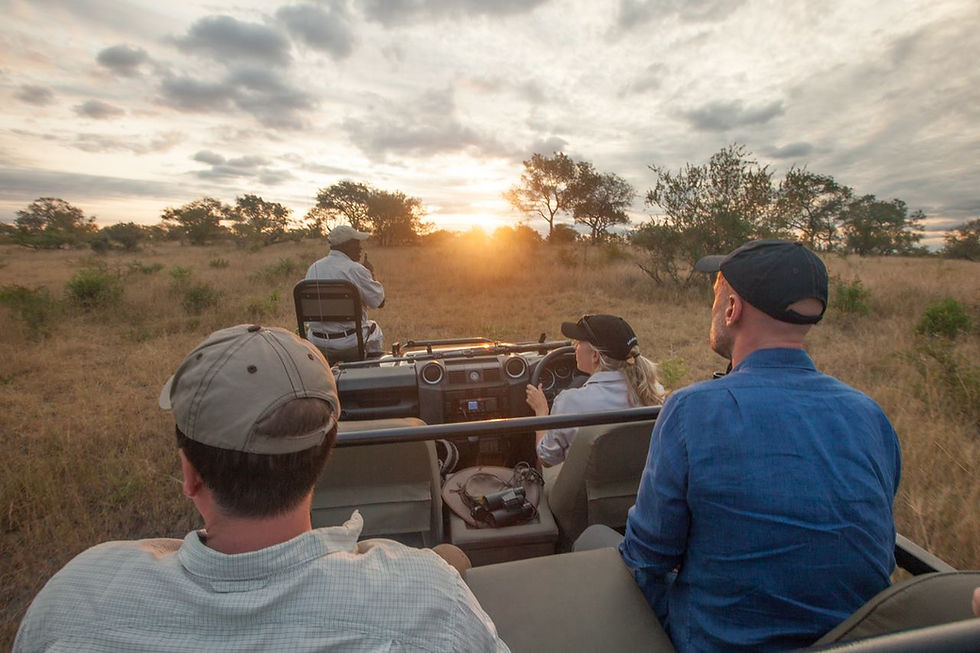
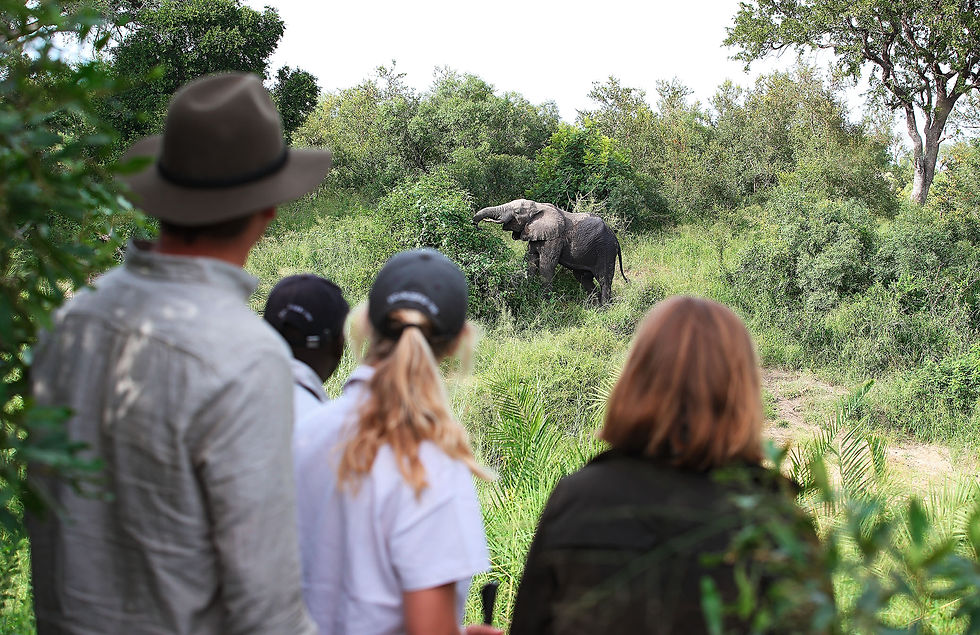
Over the last twelve years, I have guided thousands of people on safari in Africa. Regardless of where the guests are from, I have seen the transformation go the same way, time and time again. As people touch down in their small, fixed-wing aircraft and put their feet on African soil they feel that they’ve arrived home for the first time in their lives. The roots of this lie in the same interesting mix of overwhelm and relief I see in the teary eyes of a guest being dwarfed by the enormity of an elephant for the first time. I believe we’re going to need to cultivate more experiences like this for ourselves in order to become happier, healthier, more successful business people, parents, and cohabiters of this planet.
There is something in our genetic code that remembers that Africa is where all of our earliest human ancestors first evolved 2 million years ago. Wilderness guide and psychiatrist Ian McCallum puts it so well when he says, “We have to remember that our identity is intimately tied to the earth itself. To lose one's sense of union with wild places is to pre-empt what I believe is one of the most overlooked conditions in modern psychiatry – homesickness. Often presenting as a restless depression, homesickness and a loss of wildness are the same thing. The cure to homesickness is to remember where we came from and where we belong.” And once we know where we belong it is our task to return to these places to receive their medicine.
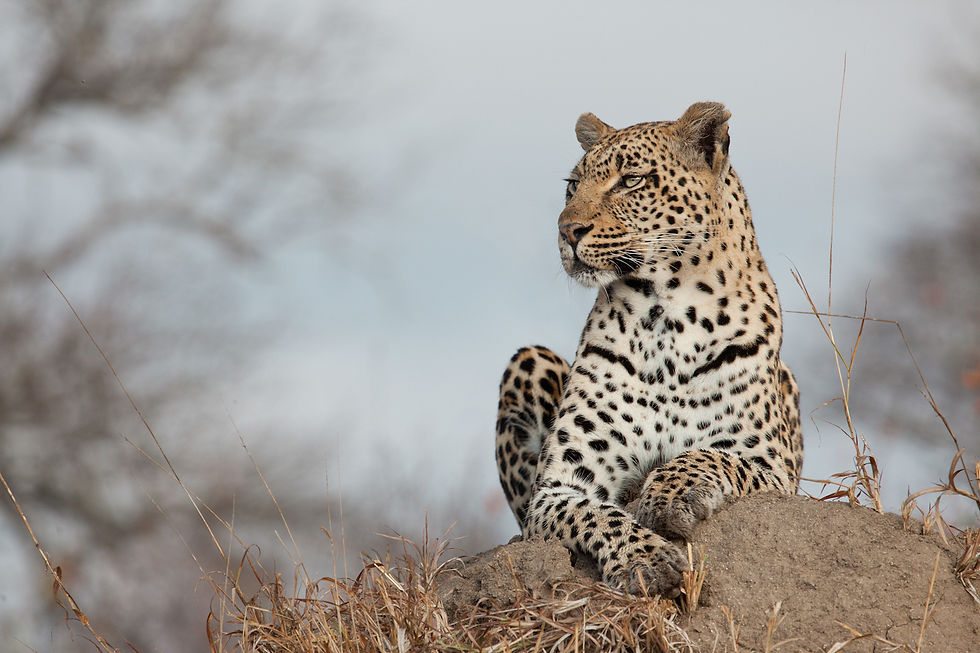
I’ve seen people come alive again whilst tracking the footsteps of a prehistoric rhinoceros or locking eyes with a wild leopard. I’ve seen serious professionals laughing with child-like hilarity whilst caught in an African thunderstorm or completely silenced by the expanse of the Milky Way or a gorilla’s glance.
Despite living in this modern era, we are best adapted to living in a natural environment. It’s likely because 99,9% of our evolutionary passage was spent as hunter-gatherers and our minds and bodies are not sufficiently prepared for what the technological era expects of us. Despite the increasingly technologically connected world we live in, it seems modern humans feel more disconnected from others every day. The results are not difficult to see. Depression, anxiety and feelings of hopelessness plague the modern human. And the cure to this lies in healing the human-nature split.
It’s not as difficult or drastic as one might think; rather it lies in returning to the places you belong and rekindling this sense of homecoming. In the African wilderness we disconnect in order to reconnect and welcome in the qualities so easily afforded to us in nature. Solitude, awe, wildness, silence, tracking. The results of which are exceptional and undeniable.
We all know from experience that we feel better in nature and finally the science is catching up. Researches are finding evidence that being in nature has a profound impact on our brains and our behaviour, helping us to reduce anxiety, brooding, and stress, and to increase our attention capacity, creativity, and ability to connect with other people. The studies suggest time in nature even makes us kinder and more generous! link. I have seen these research results play out thousands of times first-hand where people return home visibly happier, more relaxed and more joyful than when they arrived. Nature is what returns us to our best selves.
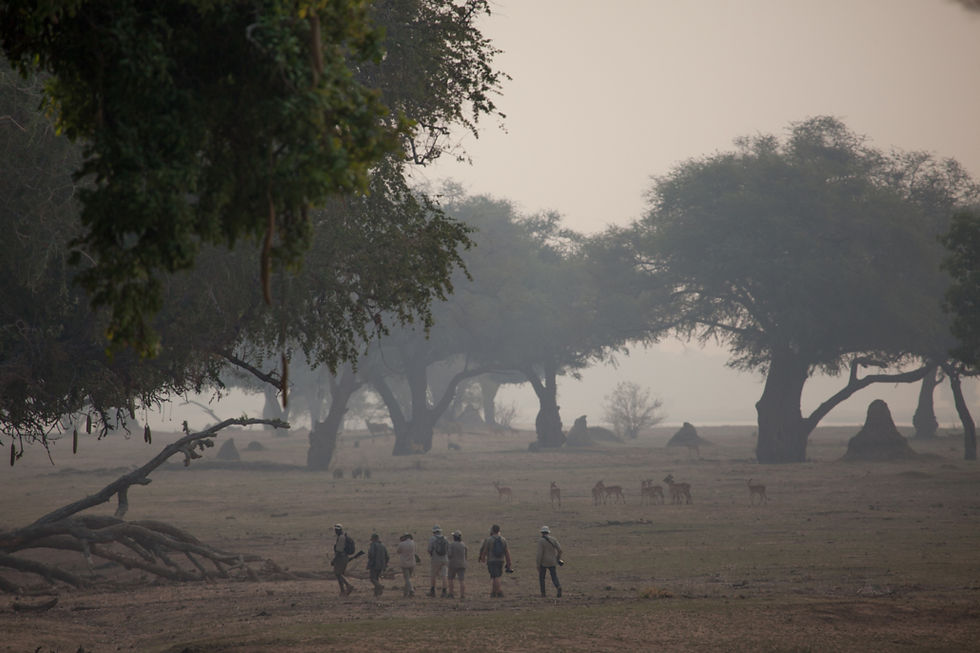
It is reassuring to know this but anything other than experiencing this effect is purely intellectual and has no lasting impact. In order to heal the human-nature divide, and live better lives, we need to actually get back out there. It is important that we put Homo sapiens back into natural environments that benefit the individual as well as the land, animals and communities in that area too.
Ian McCallum says “Our sense of self and our sense of place is linked – our identity is intimately associated with a deep historical sense of kinship with wild places and wild animals and we are dependent on them for our psychological health. How we care for them is a measure of how we care for each other.” If taking care of the other begins with caring for ourselves, how will you choose to rekindle your relationship with the wilderness?
Amy Attenborough, Brainz Magazine Executive Contributor
Amy Attenborough is a South African safari guide and wilderness coach who has guided thousands of guests worldwide through Africa. These guided experiences intend to connect people with nature and a more natural way of being again. Her company, Wild Again, expands the traditional scope of a safari and facilitates wilderness experiences that heal the human-nature divide and restore wellbeing. In 2020 she lived with her brother in a Big 5 wilderness for 19 nights with no tents, no vehicle, minimal food and no other human contact, walking over 400km to raise funds for wildlife and glean wisdom from nature. Through traditional, photographic, walking, yoga and meditative safaris in wilderness areas, her mission is to restore internal wilderness and re-awaken the inherent belonging we feel in nature.