Why “No” Is the Best Thing That Ever Happened to Me and Could Be for You Too
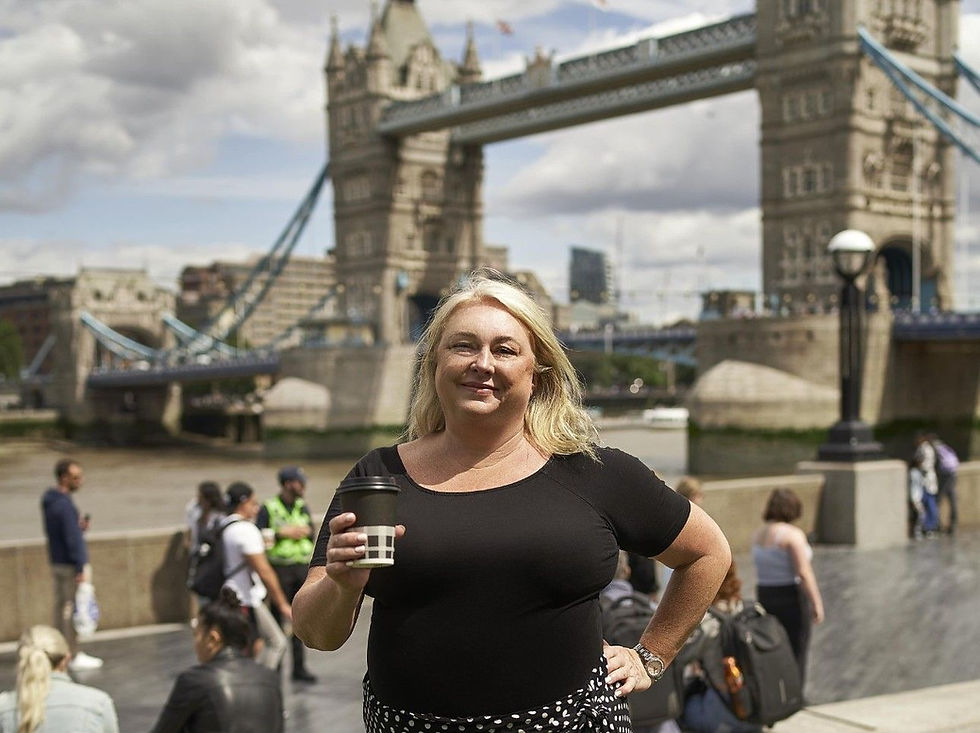
Debbie Bryan is a Leadership Visibility Expert and TEDx Speaker with over 25 years of experience helping entrepreneurs, executives, and high-level teams speak with confidence, build authority, and communicate powerfully in business, on stage, and in the media.

I’ve had a complicated relationship with the word "No." When I was a kid, it meant boundaries. When I was a hairdresser, it meant clients asking for the impossible ("just a trim" never means just a trim, let’s be honest). And as an adult? It meant sitting in front of doctors being told I’d be in a wheelchair by 55.
That “no” was supposed to break me.
It didn’t. It lit me up.
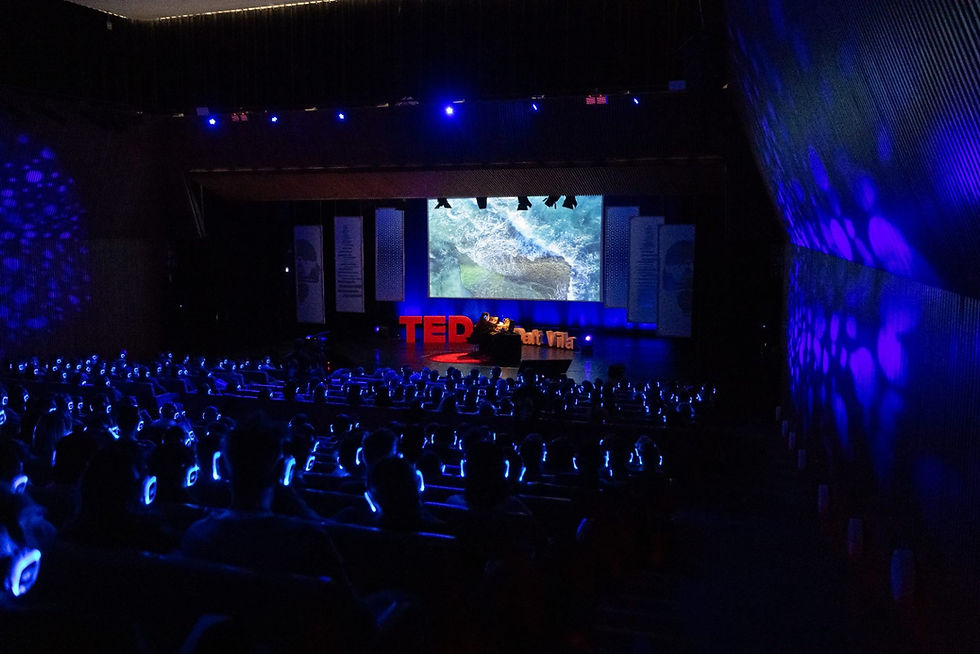
I grew my salon to nearly half a million, cycled 370km across India (because apparently, I like proving points), and stood on a TEDx stage telling the story they thought would end me.
Here’s the real deal: “No” isn’t the end. It’s a re-route. A plot twist. A cosmic nudge that says, wrong door, love, try the next one.
The no-BS lessons behind every “no”
1. No is not rejection, it’s redirection
Wheelchair by 55? Nope, not my story. In business, it’s the same. A client says no, an investor passes, a gatekeeper ghosts you. Good. They’ve cleared the path for the right yes.
2. Your story is your strongest strategy
I thought success came from fancy marketing budgets or knowing the right people. Spoiler: it didn’t. The one thing no one can copy? Your story. It’s why corporations book me, why the media calls back, and why people remember me long after the slides are gone.
3. Ordinary is powerful
Forget trying to out-dramatize the world. The stuff that lands is the ordinary stuff being underestimated, building from scratch, getting knocked down. People don’t want perfection; they want real.
4. If it isn’t measured, it’s theatre
Ovation? Lovely, but claps don’t pay bills. The only question that matters after you speak, pitch, or present is: what happened because of it? If the answer is “nothing,” congrats, you just did community theatre.
5. You’re allowed to want more
Especially as women, we’ve been fed this nonsense that ambition is “unattractive.” Rubbish. The problem isn’t wanting more; it’s hiding it. Every time I’ve told that nagging little voice “Who do you think you are?” to pipe down, the world’s opened up.
How “no” pays off
Today, I speak at the House of Commons, work with L’Oréal, and coach founders who are done playing small. None of that came from a flawless CV or perfect LinkedIn strategy.
It came from the no’s, from the doubters, from the slammed doors. Every one of them became the reason I kept going.
That’s what I help other women do now: take the no’s that should have stopped them and use them as fuel to blow the bloody doors off.
So the next time someone tells you “no,” don’t argue. Don’t shrink. Don’t waste your time trying to convince them.
Smile, nod, walk away.
And remember: that no isn’t the end of your story. It might just be the best chapter you’ve ever written.
Read more from Debbie Bryan
Debbie Bryan, TEDx Speaker | Visibility Strategist | Founder, The £100K Speaker Club
Debbie Bryan is a Leadership Visibility Expert and TEDx Speaker known for helping entrepreneurs and business leaders speak with confidence and clarity. With over 25 years of experience, she’s worked behind the scenes with 6- and 7-figure founders to transform fear into presence and story into strategy. A former hairdresser turned international speaker, Debbie believes visibility should feel personal, not performative. She’s the go-to for those who are brilliant at what they do, but still feel like the best-kept secret. When she’s not coaching clients or speaking at events, you’ll find her curating luxury retreats, mentoring rising talent, or recording at Swindon 105.5, where she serves as a director.