Why It Is Necessary To Buy Organic
Written by: Cassandra Wiley, Senior Level Executive Contributor
Executive Contributors at Brainz Magazine are handpicked and invited to contribute because of their knowledge and valuable insight within their area of expertise.

Today, most products have an organic option. You can buy fruit, vegetables, salad dressing, and even organic bouillon cubes. People may have reservations about buying organic because they do not believe that it is necessary. They do not suffer from chronic illnesses or allergies, nor do they have a family history of them.
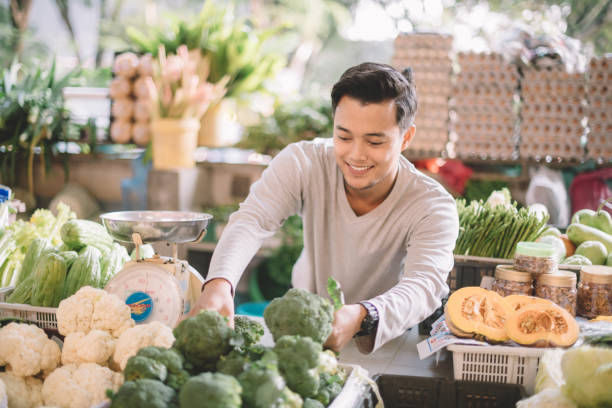
Food products are different today than they were 50 years ago. Genetically modified organisms (GMOs) did not exist. Since their introduction, there has been an increase in chronic illnesses and cancers. If a person has a family history of a chronic illness, like high blood pressure, following a low-sodium diet and healthy eating can reduce your chances of getting the disease. On the flip side, a person without a family history of high blood pressure can develop it if they are under high stress and eat high sodium foods.
For example, those that cook with bouillon cubes typically use them to add flavor to foods; however, they are high in sodium. One bouillon cube has approximately 800mg of sodium! This is above the daily allowance. Organic bouillon cubes that are lower in sodium would be a better option.
They may question if a product is truly organic. There are ways to tell. First, grocery stores have a separate organic section. Organic products and foods have a label. Those products will not contain artificial ingredients and preservatives. In addition, organic produce will contain a five-digit code beginning with a “9”. Those treated with chemicals and pesticides have a four-digit code. You may also see a label that states” USDA Organic.” All products that have not been genetically modified will have a “Non-GMO -Verified” label on the container.
As previously mentioned, food products are different today. The quality of most foods has decreased significantly. Sometimes produce is very ripe, bruised, or rotting. Oftentimes, you may notice that fruits like apples have a shiny appearance. This is shellac or carnauba wax. Food growers use it to improve the appearance and extend shelf life. When you buy “locally grown” apples, you will notice that they have a “dusty” appearance, like they came off a tree or fallen from a tree. It will have a shorter shelf life; however, no modification in any way. The nutritional value of food is also decreasing due to rising carbon dioxide levels in the atmosphere.
In conclusion, if you opt to buy organic products, there are small business owners that specialize in making their own organic products as well. Grocery stores may sell their products, and others may have their own store or website. These owners usually make their own products because they cannot eat or use other products because of an allergy to a specific ingredient. Listen to your body and your spirit.
Learn more from Cassandra by visiting her website. Read more from Cassandra!
Cassandra Wiley, Senior Level Executive Contributor Brainz Magazine Cassandra Wiley is a health coach and founder of Have Faith and Live Well with Chasadah LLC. She focuses primarily on chronic illnesses such as pre-diabetes, high cholesterol, and obesity. Her mission is to empower individuals to lose weight and teach a new healthier approach to food to live better lives. She was successful in reversing her pre-diabetes and high cholesterol diagnoses naturally. The weight loss was an added benefit. She has helped clients change their diets and “have faith” in themselves to meet their health and wellness goals.