

Why Dandelions Keep Showing Up in Your Love Life and What Relationship Patterns Reveal Beneath Heart
Updated: Dec 25, 2025
Kimberlee Herman, MSW, LCPC, is a best-selling author, Christian counselor, and host of Promise Hill, with 22+ years of experience and a heart full of hope. She mixes faith, counseling, and storytelling to remind you: you’re seen, you’re loved, and you don’t have to walk this hill alone.

Here’s a thought you may not like at first: If the same kind of not-so-great man keeps showing up in your life, it might not be about the men at all. It might be about the soil. Let me tell you about Charlotte… and a dandelion. Charlotte really thought this one would be different. Don’t we always? Different guy. Different story. Different ending.
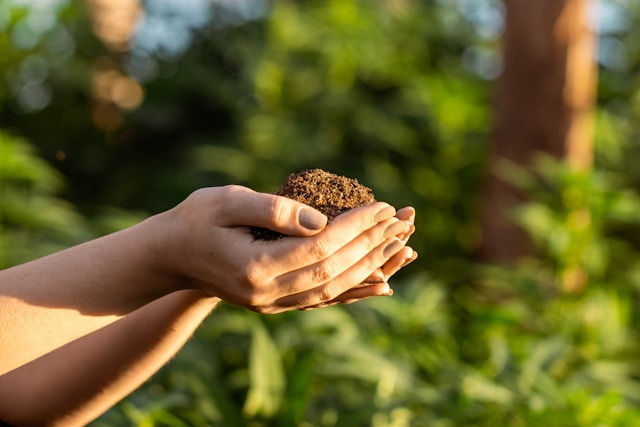
She sat across from me, sighed, and said, “Why does this keep happening to me?” Different face. Same heartbreak.
Charlotte (not her real name, I just made it up) wasn’t only grieving another breakup. She was grieving the pattern. That tired, heavy feeling of realizing, I’m back here again… how did this happen?
And if I’m honest, I hear this a lot.
From smart women. Faith-filled women. Women who love Jesus, do the books, the podcasts, the prayers, the promises, and still find themselves saying, “Lord, I really thought this time would be different.”
If that’s you, come sit with me for a minute. You’re not alone. Because I want to tell you a story about love and dandelions, stay with me.
The dandelion thing
Most of us think of dandelions as annoying little weeds. You pull one. Turn around. And somehow three more are smiling at you like, Nice try.
But they’re also food: Healthy. Cleansing. Even considered a little kind of superfood. Same plant. Two very different stories.
But here’s the thing about dandelions: they don’t grow just anywhere. They grow where the soil lets them. And one day it hit me… What if our relationship patterns are kind of like that? Not just poor choices. Not just “What is wrong with me?”
What if they’re more like clues? Quiet little messengers popping up saying, “Hey… there’s something under here that wants your attention.” Not to shame you. Not to scold you. But to invite you deeper. Because when you stop yanking at the weed and start tending the soil, real change can happen, even in your love life.
Spotting your dandelions
With Charlotte, we laid out her last five relationships and asked some simple questions:
How did you meet? (Online or at church.)
How did you feel at first? (Comfortable. Familiar.)
When did you notice red or yellow flags? (About 4–6 weeks in.)
What did you do with the waving flags? (Ignored them. Explained them away.)
How did you see yourself? (The one who had to be understanding.)
Who adjusted more? (She did.)
How did love show up? (Big at first: gifts, words, attention. Then it faded.) And there it was.
The pattern. The dandelion patch.
Once you can see it, you can start asking about what’s underneath. Here’s something I tell women all the time:
You’re not choosing the wrong person. You’re choosing from a system that learned what love feels like a long time ago. That usually gets real quiet in the room.
Why this keep happening (even when you love God)
We think relationships are about chemistry, compatibility, and good intentions. And sure, those matter.
But underneath all of that is something even stronger:
Your nervous system. Your core beliefs.
Your heart’s quiet story about what love costs… and what you’re worth. That’s why “just pick better” rarely works.
Because you don’t choose what feels safe with logic alone, you choose what feels familiar to your body. And for women of faith, this can feel extra confusing.
We love God. We trust His Word. And yet we keep finding ourselves in relationships that make us anxious, small, or always trying harder to be enough. Somewhere along the way, endurance got tangled up with obedience. And self-sacrifice got mistaken for love. So let me say this clearly, friend: You are not broken. You are not failing. You are not bad at relationships. You are living in a pattern. And patterns have roots.
The root beneath the dandelion
What makes dandelions so stubborn isn’t what you see above the ground. It’s the taproot, deep, hidden, and strong.
Our patterns have roots, too. In counseling, we call them core beliefs, quiet conclusions we formed early in life about love, safety, and worth. They often sound like:
I have to earn love.
If I’m not needed, I’ll be left.
My needs don’t really matter.
If I keep him happy, I’ll be okay.
Most of us don’t even know these beliefs are there. They just quietly shape what grows. So overgiving often grows from I must earn love.
Accepting crumbs grows from this is all I deserve. Not because you want that kind of love, but because it fits the soil. Charlotte grew up feeling like asking for anything made her a burden. So she learned, Don’t ask. Be grateful for whatever you get.
That belief once helped her survive. But now? It was attracting men who gave her just enough to keep her hoping and never enough to feel secure. Here’s the gentle truth: What protected you then may be keeping you stuck now.
The soil: Your nervous system
Roots grow in soil. In you, that soil is your nervous system, the part of you that decides what feels safe, long before your logical brain weighs in.
If love was once inconsistent, intense, or uncertain, your body learned, This is connection. So later, calm can feel boring. Steady can feel suspicious. Chaos can feel like chemistry. Not because you love drama. But because your body recognizes the ground.
Your heart says, I want peace. Your nervous system whispers, but peace feels unfamiliar. This isn’t a character flaw. It’s conditioning. And the good news? Soil can change.
Through safe relationships, prayer, counseling, and gentle body-based healing, your system can relearn what safety feels like. When the soil heals, the garden changes.
From weed to nourishment
Here’s my favorite part of the dandelion story.
Dandelions aren’t just weeds. They’re actually considered a superfood. The leaves, roots, and even the flowers have been used for centuries to support digestion and cleansing. What many people curse in their yard, others harvest for healing.
Same plant. Different purpose. And that’s when I realized, this is what God loves to do. When the soil changes, the dandelion doesn’t just disappear. It changes meaning.
What once showed you where you were wounded becomes the very place God grows wisdom, discernment, and strength. The pattern that used to break your heart becomes the story that teaches you how to protect it. In God’s hands, even weeds can become nourishment.
Four gentle ways to tend your garden
Name the pattern. What keeps repeating in your relationships? Patterns are clues, not accusations.
Uncover the root. Ask, What must I believe about love or myself for this to feel normal?
Listen to your body. When does calm feel uncomfortable? When does chaos feel familiar?
Renew your mind. Through trauma-informed counseling, prayer, Brainspotting, somatic work, spiritual direction, Scripture, God designed your brain to change.
Scripture has a word for this, and I love how simple it is. “Do not be conformed to the pattern of this world, but be transformed by the renewing of your mind.” (Romans 12:2)
Did you catch that? Pattern. Renewing.
God knew a long time ago that real change doesn’t start with trying harder. It starts with a renewed mind. New soil. And when the soil changes, what grows can change too.
And yes, it really can. Charlotte didn’t change overnight. But she changed. She saw red flags sooner, honored her needs, and believed she was worthy of steady love. And her garden started to look different. And the very pattern that once pulled her into heartbreak became the wisdom that now guided her toward healthier connections.
Same dandelion. New soil. New purpose.
So, where is God in all this?
Charlotte once asked me, “Why does God keep bringing the same kind of guy into my life?” I get that question. Here’s what I’ve learned: God isn’t handing you weeds and walking away. He’s inviting you to look closer. He gives you clues. Wisdom to dig. Grace to heal. He goes for the roots. And He delights in making all things new.
Tending a new garden
If dandelions keep showing up in your love life, it doesn’t mean your garden is broken. It means something beautiful is ready to change. Those patterns aren’t here to shame you. They’re here to guide you.
So hear this, friend: This is not the end of your story. It’s the turning point.
Because when the soil heals, the dandelion no longer grows as a weed…but as a reminder of how far you’ve come. Proof that God can take what once grew out of pain and turn it into something that brings life.
A new garden can rise. One that is steady. One that is safe. One that is full of life.
Next step
If you enjoy learning through stories and metaphors, come walk with me over at the Promise Hill podcast, where soul care meets fiction in a little town full of heart, hope, and healing.
I’m even dipping my toes into YouTube now, which feels a bit like slowing down to watch a fender bender. You know you probably shouldn’t, but you can’t help being curious.
If you’d like to connect or explore working together in the future, you can reach me here. Cheering you on as you tend your garden.
Read more from Kimberlee Herman
Kimberlee Herman, Clinical Pastoral Counselor
Kimberlee Herman, MSW, LCPC, is a best-selling author and Christian counselor with over 22 years of experience helping people find healing and hope. These days, she’s trading in the therapy chair for a mic, sharing a fictional story and soul-soothing tools on her podcast, Promise Hill. Tune in wherever you get your podcasts, and remember, you’re not alone, and Kimberlee’s cheering you on every step of the way.







