When ‘It’s What I’ve Always Done’ Starts to Feel Too Much
Written by Deni Bale, Midlife Aliveness Coach
Deni is a Midlife Aliveness Coach with a background in psychology, teaching, yoga and embodied practice. She works with women who have built good lives but know they want more from them, helping them stop talking themselves out of what they really want.

Some of the things we do without a second thought began as choices we made quite happily years ago. But as our lives change, do we ever stop to wonder whether those familiar traditions and expectations still suit us?
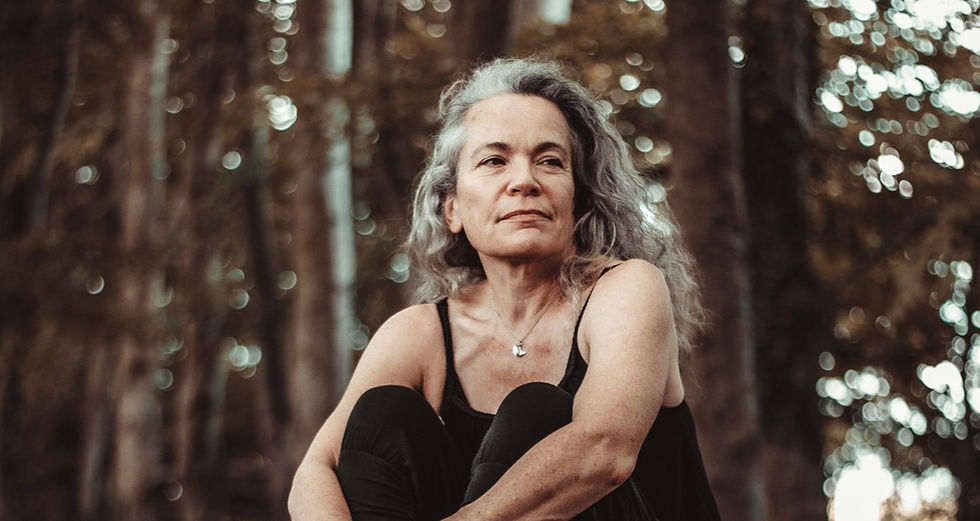
When familiar traditions start to feel different
November, and familiar expectations, are beginning to gather. Expectations that have become traditions over years, perhaps even decades.
The way that everyone likes things to be, what they like and don’t like. Presents, food, who’s going where and when. The myriad of tiny accommodations and arrangements. The funny thing is, we can genuinely love so much of it.
There’s so much joy in being with those we love, having a break from the normal routines and the clock-watching, over the Christmas period.
But at the same time, you can almost feel the exhaustion. And perhaps you hear the question, ‘Do I actually want to do all this again?’
Almost immediately, in comes the next thought. ‘Well, of course I do. It’s what we do. And it’s what I do.’
That follow-up thought? Nobody has explicitly told us that we have to do everything. Or anything at all. But those expectations have accumulated over years. People rely on us. And we rely on ourselves to make everything work. Changing even a small part of it can feel disproportionately difficult.
When choices become expectations
Isn’t it interesting that we probably chose these patterns ourselves? Twenty years ago, we wanted it to be exactly like this, creating traditions, making it special for the children. But as children grow up and parents get older, and we get older, what we want from our time and energy might have changed too. It’s easy to assume that because something suited us once, it should continue to suit us.
Perhaps you've become the person who organises family gatherings, remembers everyone's birthdays, makes the arrangements or adjusts your plans to accommodate others.
You may have enjoyed those roles for years.
Why changing the familiar can feel so difficult
But as our lives change, we don't always stop to ask whether those arrangements still suit us.
I hear women talking about what they'd love to do differently, often laughing at the very idea. And then, almost without thinking, they go straight back to making exactly the same arrangements as last year.
I recognise this feeling. I've been there myself. But over the years, I've changed how Christmas works for me. I still love the traditions, the connection, the lights and the glitter, but now I’ve found ways to also make space for my energy and needs as they are now. And maybe that’s partly why I notice these conversations, I remember finding it hard to balance my needs with the expectations, not just others’, mine too!
If we are thinking about Christmas, simply because it is now only a few weeks away, then those internal conversations can be loud.
We can already imagine how exhausted we'll feel by the evening after all the cooking and hosting. We picture ourselves sinking into a hot bath, but then remember the evening games we've always enjoyed. And somehow, the bath doesn't even become an option.
But these thoughts often get batted away. By ourselves. Christmas simply brings into sharper focus the familiar roles we occupy throughout the year.
Does choosing something once mean we have to keep choosing it forever?
If this has got you thinking about some of the choices and expectations in your own life, these are the kinds of conversations I have with women through my work at Rising Rooted.
Read more from Deni Bale
Deni Bale, Midlife Aliveness Coach
Deni is a Midlife Aliveness Coach with a background in psychology, education, yoga and embodied practice. With a BSc (Hons) in Psychology, Life Coach accreditation and 500 hours of yoga teacher training, she brings an understanding of mind and body to her work. She works with women in midlife who have built good lives but know they want more from them. She is particularly interested in the gap between what women know they want and what they allow themselves to do about it - the trip they postpone, the conversation they rehearse, or the change they keep talking themselves out of. Her work helps women close that gap, so more of what they want makes its way into the lives they’re actually living.