

When Feelings Have Feelings – How Meta-Emotions Shape Your Relationship
Updated: May 1
Cece Warren knows that connection is where true health and happiness begin. A 15-year practicing Marriage and Family Therapist and Founder of RWC Counselling & Psychology. Her work blends honesty, realness, and compassion to help people heal and create loving, healthy, safe connections.

Emotions are super messy sometimes. We have all felt them, but the feelings we have about our feelings, that is where things get really interesting. Introducing meta emotions, the hidden layer that silently drives how couples connect, argue, and repair.
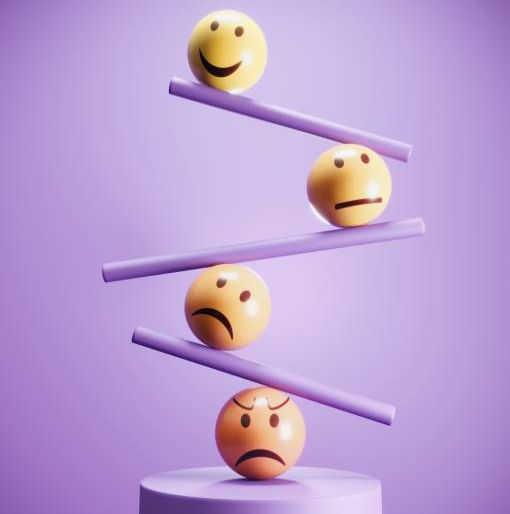
Most of us think we only feel one emotion at a time. For example, anger, sadness, frustration, happiness, joy. But there is a hidden layer that often goes unnoticed. We call these meta emotions. These are the feelings you experience about your own emotions, or even about your partner’s emotions. Sounds complicated, right? They are like the emotional feedback loop that silently shapes how you respond, connect, or disconnect in your relationship.
For example, you might:
Feel ashamed for being angry.
Feel guilty for being sad.
Feel frustrated when your partner is anxious.
Feel empathetic when your partner is vulnerable.
These feelings about feelings are not just background noise, they can actually be supreme roadblocks in relationships. Here is why.
How meta emotions impact couples
1. Emotional mismatches
Imagine one partner who feels safe crying when stressed, while the other panics when tears appear. The first sees crying as connection, the second sees chaos. Neither is wrong, they just have different emotional blueprints.
Without awareness, these mismatches often lead to misinterpretation:
“You do not care about me.”
“You are too emotional.”
“You are cold and detached.”
2. Emotional avoidance and disconnection
If a partner feels anxious about anger, they may shut down during conflict. Over time, this creates distance. The other partner can feel unseen, dismissed, or lonely. Meta emotions are often the hidden reason conflicts feel cyclical. Couples are not arguing about the dishes, they are arguing about how it feels to be angry about the dishes.
3. Repair and emotional safety
Couples who understand meta emotions repair faster after disagreements. Recognizing what is happening underneath the surface changes communication from judgment to understanding.
Instead of: “You are overreacting again.”
Try: “I get that this feels overwhelming for you. Want to take a minute and then talk about it?”
This simple shift creates emotional safety, the oxygen that a healthy relationship needs to breathe.
How to work with meta emotions
1. Name your meta emotions
Next time you are triggered, pause and ask, “What am I feeling about my feelings right now?” Maybe you are not just angry, you are also embarrassed to be angry. Naming it helps you stay grounded instead of reactive.
2. Explore emotional culture
Have open conversations about how emotions were treated growing up:
Were feelings discussed or ignored?
Which emotions were acceptable?
Which got you in trouble?
This creates compassion for your partner’s reactivity rather than judgment.
3. Practice emotion coaching
When your partner is upset, resist the urge to fix it. Feelings do not need solutions, they need care. Ask, “That sounds hard. Want me to listen or help problem solve, or simply listen?” It communicates respect for your partner’s emotional process.
4. Notice meta mismatches
If one partner needs space and the other wants to talk, acknowledge the difference without personalizing it, “I know you need to process alone. I will check in later so we can reconnect.”
5. Do meta repair
Reflect on your meta emotions after tension, “I felt embarrassed that I got defensive. I hate feeling like the emotional one.” These reflections deepen intimacy more than any perfect script ever could.
The bottom line
Meta emotions are the emotional DNA of your relationship. You cannot always control the feelings that arise, but you can transform how you relate to them.
When couples learn to view meta emotions as insight rather than inconvenience, everything softens:
Empathy grows
Reactions slow down
“You versus me” becomes “us versus this feeling”
That is where real emotional maturity and deep connection live. Couples who recognize and navigate meta emotions well are more likely to manage conflict healthily and maintain emotional connection.
Join our upcoming program, Emotional Alignment, an 8-week journey to understand each other and yourselves more deeply.
For couples who want to stop reacting, start understanding, and rebuild emotional safety from the inside out.
Emotional Alignment is an 8-week guided program for couples who want to understand their emotional worlds, not just to fight less but to feel closer. Together, you will uncover how your emotional blueprints were formed, how your meta emotions play out between you, and how to create a deeper, safer connection through empathy, understanding, and emotional maturity.
Read more from Cece Warren
Cece Warren, Certified Counsellor and Registered Marriage and Family Therapist
When it comes to relationships, couples therapy, betrayal recovery, and all the messiness in between, Cece Warren keeps it real. She is known for her transparency, gentleness, and unapologetic honesty. Her years of unhealthy, disconnected relationships and emotional chaos became her greatest teacher, allowing her empathy, clarity, and compassion to help others break free from unhealthy cycles and build connections that feel safe. Cece turned her own emotional, mental, and relational pain into fuel to help others rise. She is the founder and CEO of RWC Counselling & Psychology and the voice behind the podcast, The Compassionately Blunt Therapist, where hard truths meet genuine care.






