What If Everyone Is Neurodivergent? – Reclaiming the Full Spectrum of Being Human
Dr. Udim Isang, DPT, EdD, Mbia Idiong, is an award-winning educator, physical therapist, and activist specializing in indigenous healing practices, implicit bias in healthcare, and integrative wellness through movement and mindfulness.

For years, we've treated neurodivergence as the exception. A deviation from the so-called norm. But what if we've been getting it wrong? What if the spectrum isn't a place some of us visit, but the terrain we all live on?
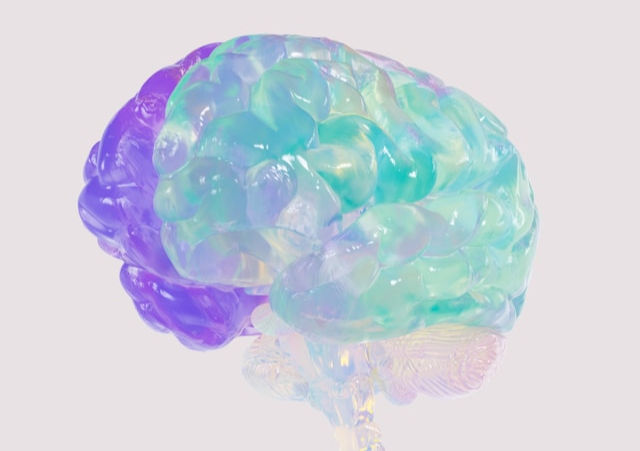
I've spent the last decade in clinical practice, movement spaces, and sacred healing circles across the U.S. and Nigeria. I've worked with queer elders, foster youth, survivors of incarceration, neurodivergent adults, and those navigating grief and pleasure in the same breath. And the truth that keeps rising is this:
Everyone is neurodivergent.
Not in diagnostic terms. But in lived experience.
Because we've all adapted to systems that suppress feeling.
We've all learned to mask.
Whether you stim by bouncing your leg, retreat from loud noises, struggle to make eye contact, or dissociate during conflict, your nervous system is speaking. The question is: Are we listening?
The cost of conformity
Colonial institutions, whether in medicine, education, or religion, have long told us that to be regulated is to be silent, still, and productive. But what they call dysregulation, I call design.
As an Indigenous Ibibio-Anaang practitioner, I believe that healing begins not with fixing the self, but freeing it. And that starts with remembering that your body is not broken. It's ancient. It knows.
Neurodivergence shows up in many forms, such as sensory sensitivity, emotional depth, intuitive movement, deep need for solitude, ritual, or rhythm. These aren't disorders. They're signals. Gifts. Stories.
A new way forward: Ritual, rest & reclaiming your human self
That's why I created Everyone is Neurodivergent, a pocket-sized self-help series turned Substack offering a weekly love letter to your nervous system.
Each post contains:
Sensory rituals to calm and reconnect
Journal prompts to explore your inner world
Art activities to honor your feelings through form
Cultural reflections on healing, grief, and liberation
This is not a space to pathologize.
It's a space to remember.
To come home to the parts of you that were always there.
Join me
If this resonates, if you've ever felt "too much," "too sensitive," or "not enough," I invite you to subscribe to Everyone is Neurodivergent.
Subscribe here.
We'll explore pleasure as protest, movement as medicine, and how to unmask without losing yourself.
Let's stop healing alone.
Let's start reclaiming together.
Read more from Dr. Udim Isang
Dr. Udim Isang, The (Em)Body Doctor & Nigerian Healer
Dr. Udim Isang, DPT, EdD, Mbia Idiong, is a Doctor of Physical Therapy and Executive Leadership Educator passionate about indigenous healing, mindfulness, and movement therapy. As a queer, trans, immigrant, and neuro-distinct individual, they/they/it/we advocate for bridging healthcare equity and inclusive wellness practices. Learn more about their transformative work integrating mind, body, and spirit at the intersections of identity and healing.