

Theodore Gerstle – The Big Idea Behind a Plastic Surgery Career
Long before Dr. Theodore L. Gerstle held a scalpel, he learned how to plan. Growing up in Westchester, New York, he joined the Boy Scouts of America and worked his way to Eagle Scout, a rank that rewards patience and follow-through more than talent. He also played lacrosse and ran cross country at Iona Prep, two sports that punish anyone who skips the boring parts of training. None of that guaranteed a career in medicine, but it built the habit of finishing what he started, which turned out to matter more than any single class he took.
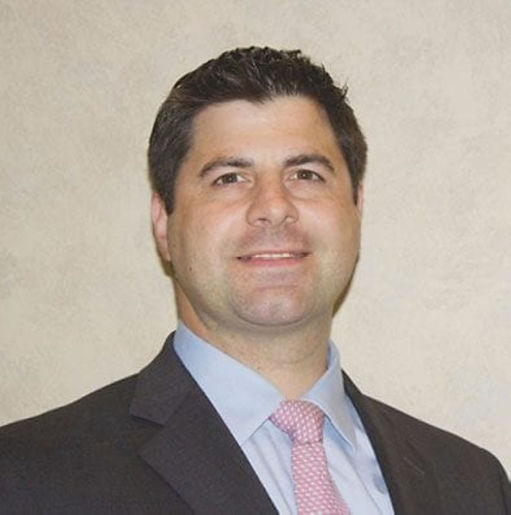
West Point and the idea that discipline is a system, not a personality trait
Dr. Gerstle's path did not run through a typical pre-med track. He earned his Bachelor of Science in Engineering Management at the United States Military Academy at West Point. Engineering management is not a glamorous major. It is about planning the right steps, understanding what resources are available, and pivoting when a plan is faced with challenges. That framework, paired with a military commitment after graduation, gave Dr. Gerstle an idea that he carried into medicine: good outcomes come from good systems, not good instincts alone. Surgery, like an engineering project, rewards people who plan the whole sequence before they face the first step.
Medical school and the idea that leadership is chosen, not assigned
When his military service ended, Dr. Gerstle decided medicine was the clearest way to keep serving people. He enrolled at the University of Louisville School of Medicine, where his classmates elected him class president every year he was there. He was inducted into the Alpha Omega Alpha Honor Society, and the school chose him to speak as the distinguished graduate at commencement. Being elected repeatedly by the same group of peers says something specific: it was not a one-time impression, it was a sustained one. That is a harder thing to earn than a single award.
Boston and the idea that skill and compassion train separately
After medical school, Dr. Gerstle moved to Boston for the Harvard Combined Plastic Surgery Residency Program. Residency is where technical skills are built, including reconstructive cases, trauma repair, and the aesthetic work most people associate with the specialty. However, Dr. Gerstle notes that while clinical expertise is important, compassion is also a muscle in need of training. A surgeon can be technically excellent and still fail a patient who needs to be heard. Residency sharpened the technical side. The rest, he has said, came from paying attention.
Lexington and the idea that a practice should widen, not narrow, over time
Dr. Gerstle has been in private practice at Lexington Plastic Surgery since 2014. His scope covers facial rejuvenation, breast surgery, body contouring, laceration repair, and reconstructive work of the head, neck, chest, and breast. He also treats migraine headaches, offering options that range from nerve blocks and Botox to surgical treatment aimed at addressing the underlying cause. Adding migraine care to a plastic surgery practice is not the obvious move, but it followed the same idea that shaped his education: identify a real problem, then build the skill set to solve it, rather than staying inside a narrow lane because it is familiar.
Why the idea still holds
Dr. Gerstle treats every consultation as a planning exercise before it is anything else. He has described his approach as finding the least invasive option that gets a patient a natural result, which requires listening to what a patient actually wants before proposing what is technically possible. That ordering, want before method, is the same engineering instinct from West Point applied to a very different kind of system.
He is a member of the Knights of Columbus, and he spends much of his free time with his three children and in his woodworking shop. Neither is part of his medical training, but both involve the same patience his early education demanded: measure, plan, then execute, and be willing to redo a step that did not come out right the first time.
A career built in sequence
Dr. Gerstle's path looks less like a single leap into medicine and more like a series of connected decisions: Eagle Scout, West Point engineer, elected class leader, Harvard-trained surgeon, and now a practice owner in Lexington who treats both cosmetic patients and migraine sufferers. Each stage supplied something the next one needed. That is the actual idea behind his career: not a flash of ambition, but a structure built one deliberate stage at a time.







