The Psychology Of Competitive Show Jumping – Insights From Alec Lawler
Competitive show jumping is a captivating equestrian sport that demands not only physical prowess but also a deep understanding of the psychological aspects that contribute to success.
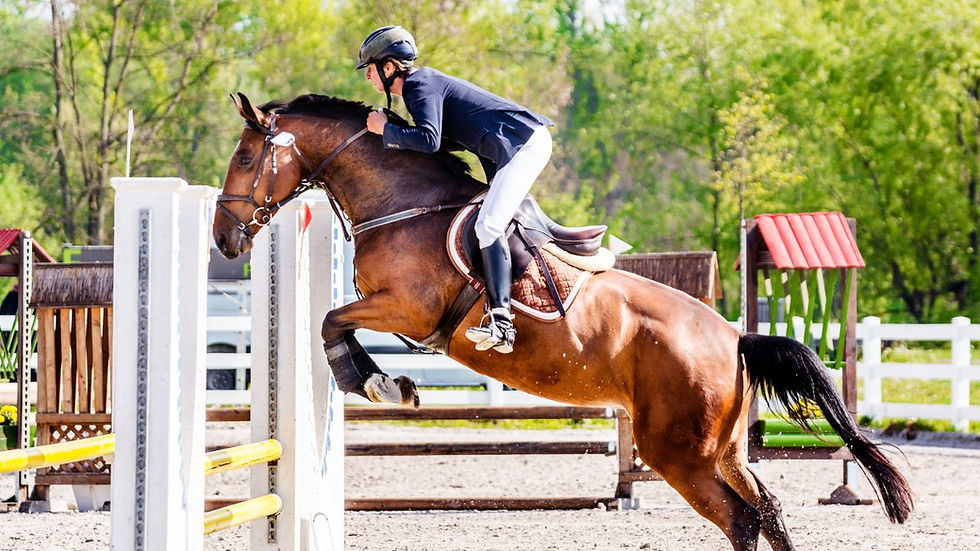
In order to gain deeper insights into the psychology of show jumping, we had the privilege of engaging in a conversation with Alec Lawler, an esteemed show jumping athlete and entrepreneur. Drawing from his extensive experience, Alec provides valuable perspectives on the mental dynamics that play a vital role in this challenging sport.
The mind game of show jumping
Alec Lawler emphasizes that show jumping success is not solely dependent on physical training; mental conditioning plays an equally crucial role. He emphasizes the importance of cultivating a resilient mindset, one that can effectively navigate the unpredictable nature of the sport. "In show jumping, you need to prepare your mind as much as your body," Alec advises.
According to Alec, setting realistic and attainable goals is paramount. By setting both short-term and long-term goals, riders can challenge themselves while maintaining a sense of achievability. These milestones serve as stepping stones, allowing riders to build confidence and motivation along their journey. Additionally, cultivating a growth mindset is essential. Rather than being discouraged by failures or setbacks, riders should embrace them as opportunities for learning and improvement, ultimately fueling their progress.
Managing pressure and performance anxiety
The competitive arena of show jumping introduces immense pressure and the potential for performance anxiety. Alec Lawler stresses that effectively managing pressure is a defining factor in achieving peak performance. "Pressure is an inherent part of the sport, and how you handle it can either elevate your performance or hinder it," Alec explains.
To combat performance anxiety, Alec suggests employing a multi-faceted approach. Visualization techniques, where riders mentally rehearse their course and imagine successful jumps, can significantly enhance confidence and alleviate anxiety. Breathing exercises and mindfulness practices also prove valuable in calming the mind and staying present in the moment, helping riders maintain their composure and perform at their best.
The role of focus and concentration
Maintaining unwavering focus and concentration is crucial in the fast-paced world of show jumping. Alec Lawler underscores the significance of mental discipline and the ability to block out distractions during competitions. "To succeed in show jumping, you need to maintain a laser-sharp focus," Alec emphasizes.
To enhance concentration, Alec suggests incorporating mindfulness exercises into daily training routines. Engaging in meditation or sensory awareness exercises can significantly improve focus and attention. Furthermore, setting clear intentions before each ride helps riders stay committed and immersed in the present moment, allowing them to perform at their peak potential.
The emotional connection with the horse
Show jumping encompasses not only physical and mental components but also the emotional connection between the rider and their horse. Alec Lawler recognizes the profound impact of this bond on a rider's performance. "Building a strong relationship with your horse is paramount," he asserts. "Trust, respect, and understanding create a solid foundation for success in show jumping."
Effective communication and empathy are vital in developing a harmonious partnership with the horse. Understanding the horse's body language and cues allows for seamless coordination during jumps, resulting in a synchronized and successful performance. By fostering a deep emotional connection, riders can tap into the horse's energy, enhance their mutual trust, and elevate their overall performance in the competition ring.
Conclusion
The psychology of competitive show jumping is a multifaceted domain that encompasses various mental skills and strategies. With Alec Lawler's insights, riders can gain valuable guidance on cultivating a resilient mindset, managing performance anxiety, maintaining focus, and nurturing the emotional connection with their horses. By integrating these psychological aspects into their training and competition routines, riders can unlock their true potential and achieve remarkable success in the captivating world of show jumping.
As Alec Lawler reminds us, "Success in show jumping is not solely determined by physical prowess but by the mastery of one's mind. It's a journey that requires discipline, perseverance, and a deep understanding of the horse-rider partnership."