

The Power of Traditions, Old and New
Margie Raimondo is a storyteller and chef who focuses on the connections between food, agriculture, heritage, and culture. She founded Urbana Farmstead and The Grain Keeper. She is also an author, educator, and filmmaker dedicated to preserving the stories that connect seeds, the table, and place.

When November rolls around, most Thanksgiving stories follow a familiar script of giving thanks for family, good health, and a full table. Yet the holiday’s quiet magic often lives in the rituals themselves. From the exact way someone crimps the crust on a pecan pie to the chaotic backyard game played long before the carving knife comes out, these repeated moments give the day its heartbeat. Whether passed down through generations or invented on a whim, traditions create meaning, comfort, and connection, making them worth honoring, adapting, and celebrating in their own right.
Why traditions matter at the table
At its core, a tradition is simply an intentional habit shared with others, a way of saying, “This matters enough to do again.” It doesn’t have to be formal or centuries old to hold weight. A tradition can be a handwritten recipe card stained with vanilla extract or a group text thread that lights up every November morning with terrible turkey puns.
These rituals are so powerful because they bring gentle structure to a busy season. In a world that moves fast, traditions give us something steady to anticipate, and they even shape the day’s rhythm. In a recent cooking class, one student mentioned that their family never sits down to Thanksgiving dinner until 6 p.m., so everyone has plenty of time for their annual afternoon game of family flag football. That single detail says everything about why rituals matter. The meal bends around the memories people are making, turning an ordinary Thursday into a collective experience where everyone knows they have a place.
The comfort of old traditions
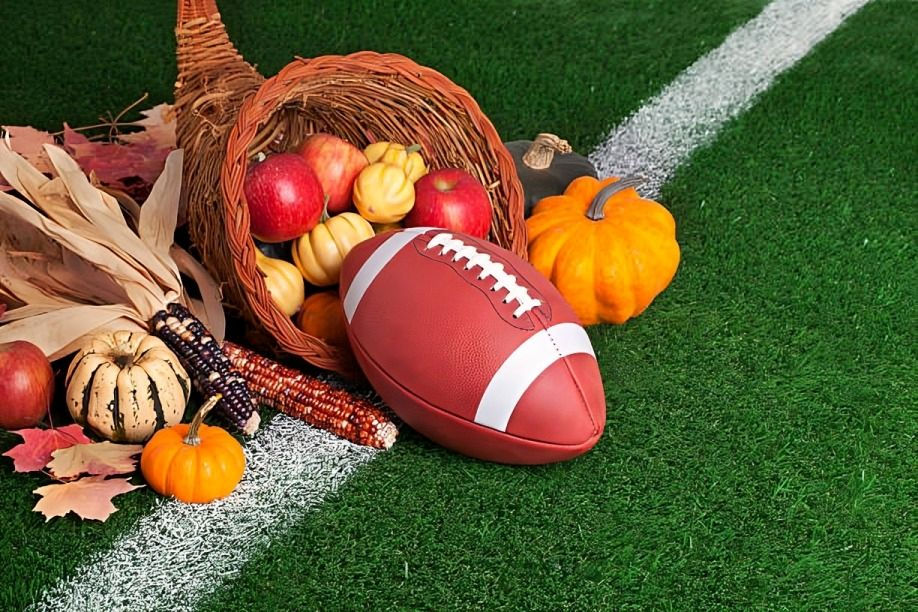
Classic Thanksgiving rituals endure for a reason. Roasting a turkey, watching the morning parade in pajamas, and gathering for football, whether on television or in the backyard, connect us to our past.
Even when the turkey is a little dry or the backyard game runs late, familiar routines foster continuity and belonging. Repeating the same small steps each year reminds us of the hands that prepared the meal before us and the voices that once filled the room. Old traditions are like a warm blanket, predictable, grounding, and reassuring.
The joy of new and quirky traditions
Of course, not every meaningful ritual comes from a family heirloom. Some of the best holiday traditions are brand new, born out of changing lives, chosen communities, or a simple desire to turn a gathering into a deeper conversation or a hilarious contest.
Consider the rise of Friendsgiving, where guests pull up mismatched chairs and share dishes that reflect everyone’s background rather than following a strict menu. Or take a cue from an Italian American dinner club whose holiday gathering centers on the wonderfully specific theme “Christmas When You Were Twelve.” Everyone is invited to bring a dish they remember from the holidays at age twelve and still make or share today, along with the story behind it.
Other groups lean straight into friendly rivalry. One friend’s circle gathers every holiday season for a gingerbread house competition where entries go far beyond basic gumdrop cottages. One entry was an elaborate gingerbread treehouse with three stories. They bring in four judges at random to evaluate the entries. Only bragging rights and the honor of being crowned the best builder are on the line.
Whether rooted in nostalgia or playful competition, rituals like these bring fresh energy to the table. You can capture that same spirit at Thanksgiving with a few unconventional ideas.
“When you were twelve” Thanksgiving. Ask every guest to bring a dish or even a favorite snack they remember from the holidays at age twelve. Give them two minutes to share a story about who made it or why it stuck with them.
The “Great Pie Tasting.” Set out small slices, recruit a few unsuspecting judges, and award honorary titles like “Most Classic,” “Best Crust,” or “Wildcard Favorite.”
Trivia or charades after dinner. Turn quiet relatives into fiercely competitive teammates once the plates are cleared.
A gratitude tablecloth. Keep fabric markers on the table so guests can jot down a favorite memory or sign their names each year, turning an ordinary piece of linen into a living timeline over the decades.
Even the simplest or quirkiest prompt lowers shoulders and sparks laughter. It gives people an easy way to connect without feeling put on the spot.
How rituals create meaning and connection
Whether classic or unconventional, traditions do something vital for us. They anchor us. Especially during seasons of change, grief, or uncertainty, having a familiar ritual to lean on offers quiet comfort. You don’t have to wonder how to mark the day. The tradition carries you forward.
At the same time, shared activities build bonds that small talk never could. We create shared memories when we chop vegetables side by side, call plays in a family flag football huddle, debate the architecture of a gingerbread house with three stories, or listen to a friend describe the Sunday sauce or holiday cookie they remember from when they were twelve. Over time, those moments weave together into a sense of identity, a story we tell ourselves and one another about who we are when we gather.
Honoring what you have and inventing what you need
You don’t need a massive dining room or a Norman Rockwell menu to have rich traditions. Start by cherishing the customs you already have, no matter how small or imperfect they seem. If your favorite part of the day is eating cold pie for breakfast the next morning, claim it proudly. If your table looks different this year, permit yourself to invent something new that reflects your values and community today.
Pair every dish with a memory. Whether it’s a dish made from a heritage recipe with favorite flours or a favorite roll from the store, invite each person to share why it earned a spot on the table.
Make a toast before dinner. Keep it light and warm, inviting each person to name one small thing that made them laugh recently.
Start a ritual after the meal. Put on a favorite album while washing dishes together, light a candle after dessert, or take an annual porch photo in whatever mismatched sweaters everyone is wearing.
Embracing both the old and the new
Thanksgiving isn’t memorable because everything goes according to plan. It’s memorable because of the rituals that bring us back to one another year after year. The old traditions remind us of our roots, while the new ones leave room for the stories we are still writing together.
This year, embrace both. Honor the classic customs that make the day feel like home, even if it means pushing dinner back to 6 p.m. for one more touchdown. Don’t be afraid to invent a few quirky new ones along the way, because the rituals we keep are often what keep us connected.
Read more from Margie Raimondo
Margie Raimondo, Agrarian Storyteller, Chef, Author, Educator & Filmmaker
Margie Raimondo is an agrarian storyteller, chef, urban farmer, and author based in Little Rock, Arkansas. As the founder of Urbana Farmstead and The Grain Keeper, she connects sustainable agriculture, heritage grains, and culinary tradition to strengthen local food systems and bring people together around the shared table. Drawing on her Sicilian and Campanian roots, Margie teaches cooking and baking classes where students learn by doing, leads gatherings featuring food from local farms, and advocates for regional grain cultivation and local food procurement. She is also a filmmaker and the author of Mangiamo: Mediterranean Family Recipes and Seeds of Sicily: Recipes and Stories from Sicily’s Shared Table. Follow her work at Urbana Farmstead.







