The Leadership Revolution Guides the World Toward a New Era of Progress
Updated: Jun 30, 2025
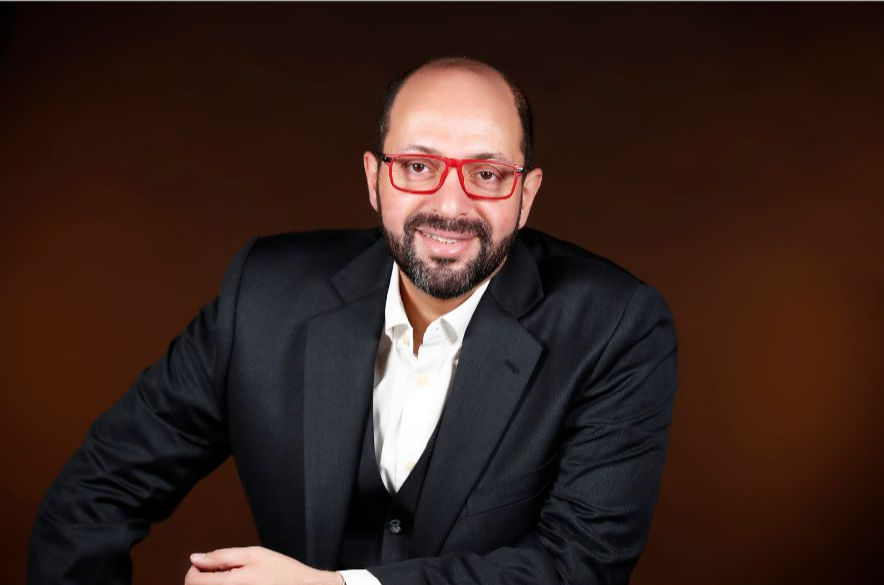
Fahd Khater, a marketing visionary and Guinness World Record holder, has reshaped the global advertising landscape with innovative strategies and award-winning campaigns. Renowned author and industry leader Fahd Khater distills decades of expertise into actionable insights, empowering professionals in marketing and client management worldwide.

In an era marked by rapid change, uncertainty, and unprecedented challenges, the world is yearning for visionary leaders who can inspire progress and drive meaningful transformation. Leaders are no longer measured solely by their ability to deliver results; they are judged by their capacity to envision a better future, unite people under a shared purpose, and create lasting impact.
The modern landscape demands leaders who can navigate complexity while fostering innovation, trust, and collaboration. From economic instability and climate crises to technological disruption and societal inequality, the world’s challenges require leadership that transcends transactional management.
Why the world needs transformational leaders
1. To address global challenges with vision
Transformational leaders understand the power of a clear and compelling vision. They don’t just react to problems, they proactively envision solutions that inspire collective action. As Crown Prince Mohammed bin Salman of Saudi Arabia demonstrated with Vision 2030, a strong vision has the power to mobilize people, align resources, and bring about systemic change.
2. To unite diverse perspectives
In a globally connected yet divided world, leaders must act as unifiers. They must foster inclusivity and respect for diversity, bridging gaps across cultures, industries, and ideologies. As Ratan Tata once said, “Leadership is about uniting people and inspiring them to achieve a common goal.” Such leadership turns differences into strengths.
3. To empower innovation and creativity
The future demands creativity to solve problems that haven’t even been identified yet. Great leaders cultivate environments where teams feel empowered to innovate, take risks, and push boundaries. Companies like Google and L’Oréal thrive because of leaders who prioritize creativity and encourage their teams to think beyond the ordinary.
4. To build trust in institutions
Trust in institutions, governments, corporations, and organizations, has been waning. Restoring this trust requires empathetic, transparent leadership. People gravitate toward leaders who act with integrity, communicate openly, and align actions with values. As Gary Vaynerchuk reminds us, “The best leaders are not scared to show vulnerability. They are real, and people connect with that.”
The new definition of leadership
Leadership in the modern world is no longer about control; it’s about empowerment. The most effective leaders inspire ownership, accountability, and a sense of shared purpose among their teams. They don’t micromanage, but instead guide, support, and challenge individuals to reach their full potential.
Empathy is a critical component of this new leadership paradigm. Leaders who prioritize the well-being and development of their teams cultivate loyalty, creativity, and resilience. They build organizations that are not only successful but also humane, ensuring long-term sustainability and impact.
Lessons from business and politics
Emaar Properties in Dubai is a testament to how visionary leadership can transform a local company into a global powerhouse. By setting ambitious goals and empowering teams to execute them, Emaar reshaped Dubai’s skyline and global reputation.
Sanofi, a pharmaceutical leader, showcases how a commitment to innovation and patient-centric approaches can revolutionize healthcare, impacting millions of lives worldwide.
Political figures like Sheikh Mohammed bin Rashid Al Maktoum exemplify the power of leadership grounded in vision and action. His philosophy of building trust and fostering progress has inspired a generation to dream big and achieve bigger.
Moving toward a better tomorrow
As the world stands at a crossroads, the demand for leaders who can navigate these turbulent times with courage, vision, and empathy has never been greater. Leadership today isn’t about wielding authority; it’s about inspiring collaboration, fostering innovation, and creating a shared path toward a better future.
This new generation of leaders has the potential to redefine what is possible, turning today’s challenges into tomorrow’s opportunities. The world isn’t just looking for leaders, it’s looking for changemakers, visionaries, and humanitarians who can inspire hope and guide us toward a brighter, more inclusive future.
Follow me on Facebook, Instagram, LinkedIn, and visit my website!
Read more from Fahd Khater
Fahd Khater, Published Author, Entrepreneur & Speaker
Born in Lebanon in 1978, I am a Notre Dame University alumnus with a bachelor’s in Mass Communication (Radio/TV). With 20+ years in the agency world, I’ve led impactful campaigns in 70+ countries, earning awards & setting a Guinness record. Now an author & speaker, I share insights to guide leaders.