The Importance of Mentorship for Aspiring Leaders
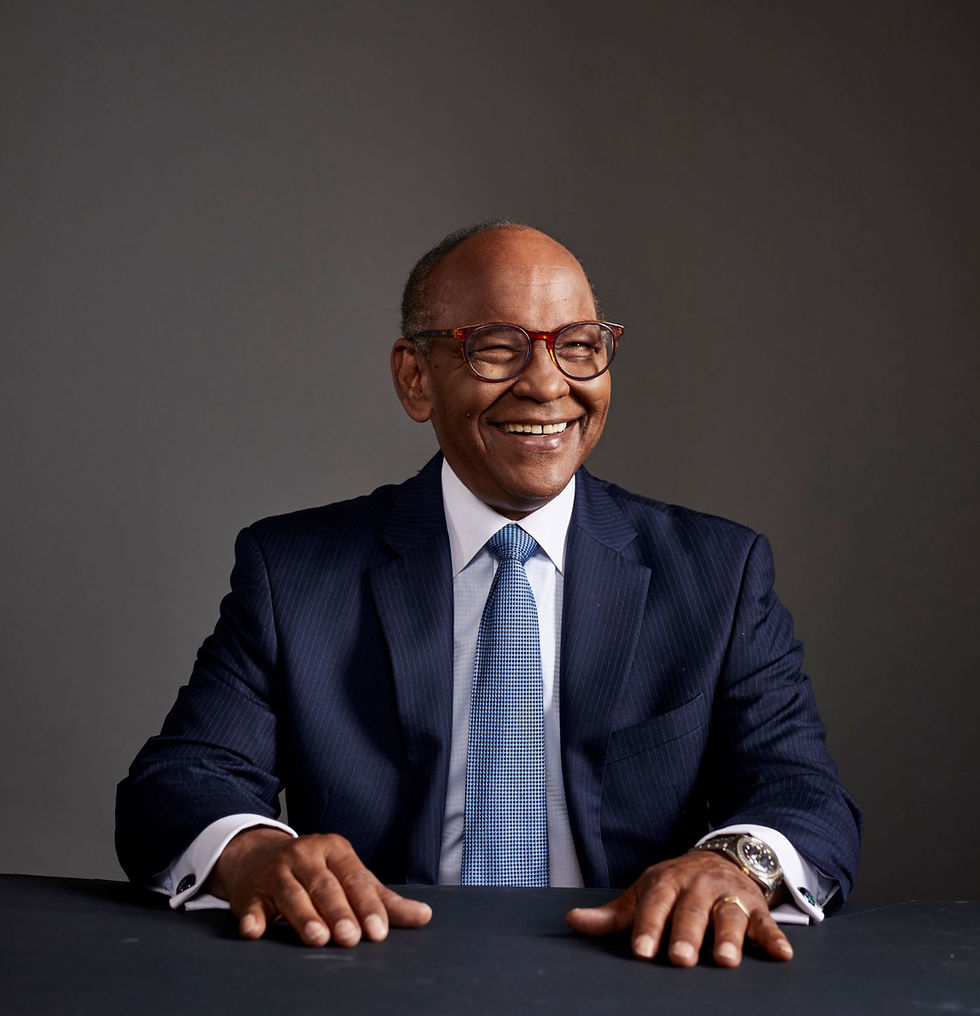
Written by: Noel Massie, Author & Speaker
Before becoming a doctor, my oldest son spent eight years in universities, both undergraduate and medical school. When he graduated from medical school, he was not allowed to practice surgery independently. He had to enter a general surgery residency program that takes five years to complete. Only after successfully completing this residency will he be allowed to perform surgeries independently. He will have invested close to fourteen years to become skilled in his profession, with the last five being mentored. This timeline is required before he can work out of the sight of his mentors, skilled and experienced doctors.
Leadership, much like medicine, is a profession. It requires education and then experience. No matter the industry, there always will be leaders. Even highly trained professionals, such as lawyers, engineers, doctors, and technologists, report to leaders. If every organization has leaders, what is the process to become one? How are they selected? How do they learn the requirements needed to be an effective leader?
What my mentors taught me
I spent over forty years within a Fortune 500 company in various leadership positions. I had a career where I was promoted seven times, ultimately to the level of president. In addition, outside of the organization, I was also chosen to lead councils or chair boards five times. So how did I achieve those accomplishments? I will say there are no by-the-numbers pathways to becoming a leader, let alone rising to the level of a president or CEO. In fact, I never applied for leadership positions in any of the organizations I served. So what did I have inside me that those observing me could sense? They sensed that I had acquired the skills to lead other leaders. I believe they sensed I learned those skills from mentors.
Mind you, my mentors were not people who were specifically assigned to me. Instead, they were people I respected and admired enough to ask for their advice. These were often people I sought out and reached out to occasionally to have a cup of coffee. At no time did I ever ask for advice on how to be promoted. However, their advice was essential to me when it came to work-related strategies. Whether it involved an assignment I'd been given or a difficult issue to navigate, I would reach out. Some of my mentors were my bosses, some were my peers, and some were people I didn't work with in any capacity but greatly respected and admired. Ultimately, mentorship grew both my abilities and, more importantly, my perspectives.
Mentors shouldn't always be just like you
My leadership mentors were diverse. The idea that a mentor must look like you, which is how they typically are selected, has some flaws and is not what I have experienced. While there can be benefits, women mentoring women, for example, staying exclusively in this arena limits your opportunities to gain broad perspectives. If I want to learn how to catch fish, I need a mentor who has demonstrated success fishing. Whether they were a man or woman, Black, White, Asian, Latin American, my age, older or younger, depended on what I wanted to learn. As a leader or aspiring leader, true mentorship should allow you to learn diverse perspectives. I had both men and women of different races, ethnicities, ages, and religions as mentors. Mentorship should provide a growth experience in personal abilities for both parties, the mentee and the mentor.
I have two sons (27 and 29 years old). When I wanted to discuss the millennial generation and strategies to lead them, I went to my sons for guidance. They mentored me because I asked for their advice. Similarly, when I wanted to understand an issue from a different perspective, I sought the advice of someone personally affected by that issue. If you are going to lead a diverse group of people, the best mentors for you will need to be diverse.
Today I mentor six individuals under the age of forty. They all approached me and asked if I would be their mentor. None of them work for me, so I have no influence on their careers. Three are men and three are women. One is an Asian female, one is a Black female, two are Black males, and two are white males. I meet with them when our schedules are compatible, and the discussion is on whatever topic they'd like input on. The conversations are an opportunity for them to get perspective from someone who spent forty years leading others. That is the intent of mentorship: for a mentee to get a perspective from someone with experience to help them grow their skills and knowledge. It should never be a venting session for the mentee to get confirmation bias from the mentor. That doesn't make the mentee better.
Mentorship can make you a winner – only if you are willing to take the advice
One of my favorite examples of mentorship happens in the 1990 film Days of Thunder. A young NASCAR driver, played by Tom Cruise, is being mentored by an older character played by Robert Duvall. The young driver is burning out the car's tires because he is driving the car so aggressively. This is creating excessive pit stops for tire changes, which is costing him the ability to win races. He won't listen to his mentor's advice, and a battle of wills emerges. Now, of course, the mentor has the experience. He's seen this and knows how to correct it. He makes this pitch to the young driver: "Run 50 laps any way you like, then 50 laps like I want you to." When the laps are completed, he sets the tires side by side. The results are what the mentor knew they would be, and the young driver is embarrassed. A picture was worth thousands of words, but he learned and eventually improved with practice.
In my upcoming book Terms and Conditions, I discuss the importance of mentorship. I reflect on the mentors I've had and the benefits received. My career success is a direct reflection of their efforts and the support all my mentors gave me during my development as a leader.
Tips for choosing and getting the most out of your mentor-mentee relationship
There is no doubt about it: Mentorship matters. Here are my tips for choosing and getting the most out of your mentor-mentee relationship:
Choose mentors who you respect and admire and whose career, integrity, and life you would want to emulate. In other words, never accept advice from people who are not on the path you would want to be on yourself.
Take the initiative and ask them to have a cup of coffee.
Don't overburden the mentor's schedule. It cannot feel like an obligation.
Bring some specific questions you may have. Sessions should have one purpose: helping you get better.
Remember to thank them, follow up with them, and let them know how their advice may have helped. People who receive gratitude or feel their efforts are not for naught will be more likely to help you in the future.
Remember, it is not how often mentorship meetings occur that matters, but what you get out of them. One to three meetings a year can accomplish this.
Dos and don'ts of mentorship relationships
Here are some important dos and don'ts when you are in a mentorship relationship.
Do
Keep the focus positive. The sessions should not be therapy for you.
Keep the conversations developmental. What would you like to get better at doing?
Connect with your mentors on their schedule and meet when you truly would like an outside perspective. Mentoring should not be rushed or done unless you both are relaxed and comfortable.
Don't
Use the sessions to vent about your workplace. That includes your boss.
Use the sessions for networking opportunities. That's disingenuous and not the mentor's role. In other words, don't come looking for access to their connections or looking for a handout or for them to do work for you.
Ask for advice on personal matters. Keep the relationship professional.
Ultimately, mentorship can help you stop burning out tires so that you can finish the race with the opportunity to win.
To learn more about Noel’s work and stay connected, follow him on LinkedIn, Instagram, or visit his website for more insights, updates, and resources.
Noel Massie, Author & Speaker
Massie began his UPS career in 1977 as a part-time package handler while attending college. In 1980, he was promoted into management, where he held a variety of positions across the country, including delivery operations, engineering, learning and development, and roles in UPS's corporate office in Atlanta. He has served as a president for several business units since 1997. Prior to his most recent assignment, Massie was president of UPS's South California District, a $3.7 billion business unit employing over 20,000 people and serving over 150,000 customers daily. He was responsible for all operations, customer relations, and revenue management in Hawaii, Southern California, and Southern Nevada.