Rediscover Balance – The Essential Guide To Dopamine Detox
Updated: Aug 25, 2025
We live in a world of constant stimulation, bombarded by notifications and endless scrolling. This digital deluge can overload our brains, especially the reward system fueled by dopamine. But what if we could reset this system, enhancing focus, creativity, and inner peace? Enter the dopamine detox.
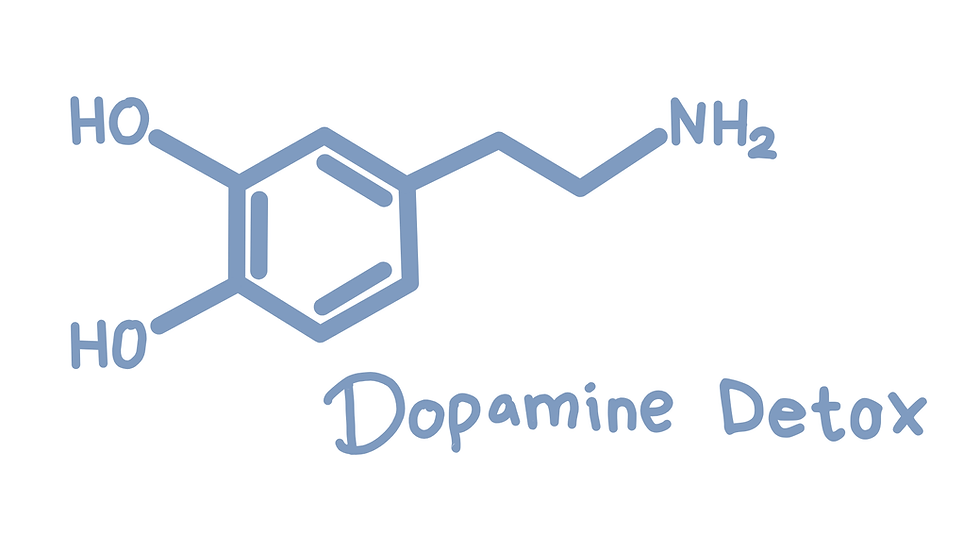
The dopamine detox: A reboot for your brain
Imagine a temporary break from the digital frenzy, a chance to recalibrate your brain's response to rewards. This is the essence of a dopamine detox. By reducing or eliminating activities that trigger excessive dopamine release – think social media, gaming, or even junk food – you can rewire your brain to appreciate the simple joys of life.
Why detox your dopamine?
Think of it as a mental spring cleaning. A dopamine detox can:
Sharpen Your Focus: Reduce distractions and reclaim your mental clarity.
Boost Your Mood: Manage stress and anxiety by breaking free from the cycle of instant gratification.
Supercharge Your Productivity: Gain control over your time and attention, leading to greater efficiency in your daily tasks.
Deepen Your Connections: Engage more meaningfully with others by being present and attentive.
Cultivate Healthier Habits: Shift towards activities that naturally boost dopamine, like exercise and creative pursuits, fostering long-term well-being.
Understanding dopamine: A neurological perspective
Dopamine, a crucial neurotransmitter, plays a central role in motivation, pleasure, and learning. It's the key player in the brain's reward pathway, reinforcing behaviors that feel good.
The dopamine dance: How it works
Motivation and Reward: Dopamine is released during pleasurable experiences, motivating us to seek out rewarding activities.
Focus and Attention: Optimal dopamine levels enhance concentration and cognitive function.
Mood and Emotion: It influences feelings of pleasure and satisfaction.
The downside of dopamine overload
Constant exposure to digital stimuli can lead to excessive dopamine release, potentially causing:
Addiction-like Behaviors: The need for constant digital engagement.
Increased Anxiety and Stress: Overstimulation can lead to mental fatigue and stress, contributing to burnout.
Impaired Focus: Difficulty concentrating on tasks without frequent distractions.
Signs you might need a dopamine detox
Compulsive Checking: Frequently checking your phone or social media without a real purpose.
Decreased Productivity: Struggling to complete tasks without interruptions.
Mood Swings: Experiencing anxiety or irritability when not engaging with digital devices.
Reduced Enjoyment: Finding less pleasure in activities that once interested you.
Sleep Disruption: Difficulty falling asleep or maintaining restful sleep due to screen time.

A 7-day dopamine detox plan: A journey to balance
This plan integrates a biopsychosocial approach, addressing the biological, psychological, and social aspects of your well-being.
Day 1: Awareness and assessment
Track Your Tech: Log your screen time and note your feelings before and after device use.
Food Journal: Start a food journal. Note cravings and emotional states tied to eating.
Reflect: Reflect on the triggers for your tech use and eating habits.
Day 2: Digital declutter and social connection
Digital Detox: Remove unnecessary apps and notifications.
Real-Life Connection: Schedule a phone-free coffee date with a friend.
Talk About It: Discuss your detox goals with a friend for support and accountability.
Day 3: Mindful consumption and physical activity
Tech Time Out: Designate specific times for checking emails and social media.
Move Your Body: Engage in 30 minutes of enjoyable physical activity.
Observe: Notice how mindful tech use and exercise impact your mood and energy levels.
Day 4: Nature exposure and dietary changes
Embrace Nature: Spend time outdoors, noticing the sensory details of nature.
Nourish Your Body: Swap processed snacks for whole-food alternatives. Prepare a healthy meal with a loved one.
Connect: Connect with others while nourishing your body with nature and nutritious food.
Day 5: Meditation and sleep hygiene
Mindful Meditation: Practice a guided meditation focusing on cravings and urges.
Sleep Rituals: Establish a relaxing bedtime routine and stick to a consistent sleep schedule.
Relaxation Techniques: Listen to binaural beats before bed to promote relaxation and sleep.
Recognize: Notice how improving sleep enhances your emotional regulation and reduces cravings.
Day 6: Offline connection and creative expression
Screen-Free Fun: Engage in a screen-free activity with loved ones, like a board game or a hike.
Unleash Your Creativity: Explore a creative outlet like painting, writing, or playing music.
Well-being Boost: Notice how connecting with others and expressing yourself creatively impact your sense of well-being.
Day 7: Reflection and long-term strategies
Review Your Journey: Review your food and tech use journals. Identify patterns and triggers.
Create Your Plan: Develop a personalized plan for maintaining a balanced lifestyle.
Integrate: Integrate the biopsychosocial model into your plan, addressing biological, psychological, and social factors contributing to your behaviors.
Staying detoxed: A lifestyle choice
Set Boundaries: Limit daily screen time.
Move Regularly: Continue physical activities to promote natural dopamine production.
Mindfulness Practices: Incorporate meditation or yoga into your routine.
By understanding the science behind dopamine, you can take control of your digital life and unlock your full potential. Embrace the dopamine detox and experience the benefits of a more focused and balanced mind.
Read more from Yumna Zubi
Yumna Zubi is a Clinical Psychologist and CEO of The Couch, a leading multidisciplinary practice in Johannesburg, South Africa. With over a decade of experience in private practice, she has established a reputation of ethical integrity, collaborative efforts, innovation and advocacy across academic, clinical and business spaces. Her commitment to transforming challenges into opportunities drives her work in business, leadership and mental health care, ensuring lasting healing, learning and growth.