Power Of Yogic-Breath Work
Written by: Rimi Sodhi, Executive Contributor
Executive Contributors at Brainz Magazine are handpicked and invited to contribute because of their knowledge and valuable insight within their area of expertise.

A reservoir of tranquillity lies within each individual. One can access this unchanging eternal bliss that is our true nature, with the practice of Yogic breath-work which is a highly meditative practice, if done with the right intent. Yoga today is practiced by millions of people all over the world, it is one of the world’s most popular health practices, but what really is Yoga and what does its practice do to your body and mind. We humans have always tried to control nature and the external environment, somewhere in India’s long history the process to control turned inwards and became about controlling the body and mind, this inner journey became of what we know as Yoga.
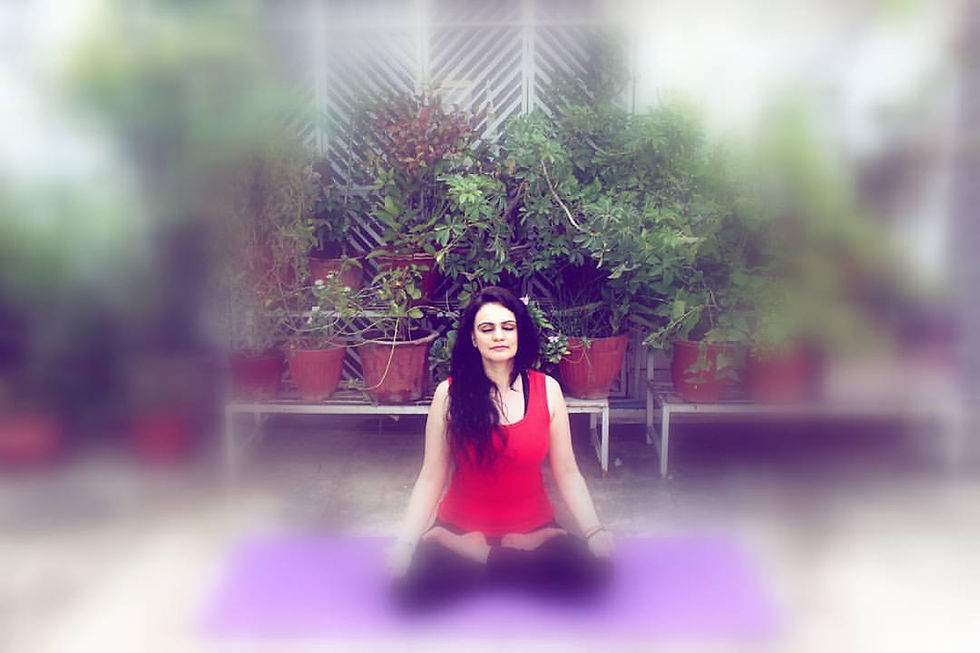
The origins of yoga are shrouded in mystery and mythology and the knowledge it offers is as vast as the sea, therefore the study of the Yoga philosophy can get complex and derail one from the true essence and purpose of this practice. Hence to keep it simple and make sure we are aligned with the core practice if we only focus on the three main facets that are Asanas (Yoga postures) Pranayama (Yogic Breath-work) and Dhyana (Meditation) they make a perfect formula to bring about balance & harmony in all areas of our lives.
What does pranayama entail? The word ‘Pranayama’ implies control on pranas (life force) i.e., to attain control on breathing. The practice of pranayama is much more than an exercise providing extra oxygen to the lungs, it’s a practice to create more awareness. This process helps with health benefits like reducing stress and battling anxiety. It improves autonomic functions by triggering neurohormonal mechanisms by the suppression of sympathetic activity.
We have all had moments of panic and hyperventilation; during these times incorrect breath patterns like breathing from the mouth can create havoc in the mind. Deep breathing and engaging the right muscles can immediately have a harmonizing effect on the body and mind. Hence the practice of Pranayama on a regular basis boosts the overall health and well-being of a practitioner.
Therefore if one feels fatigued, dull, low on energy or emotionally unstable these simple exercises work like a magic pill and will help one feel refreshed, renewed and rejuvenated. According to Hatha Yoga there are various types of Pranayams that one can practice on a daily basis but with a busy lifestyle, it may not be possible to incorporate an extensive practice. Even fifteen minutes of Yogic breathing exercises like Nadi Shodhana (Alternative Nostril Breathing) or Kapalbhati (Rapid-breathing) are sufficient to gain the benefits like bringing stillness to the mind, feeling light, active and help one lead a happier and healthier life.
Follow me on Facebook, Instagram, Linkedin, and visit my website for more info!
Rimi Sodhi, Executive Contributor Brainz Magazine
Born in 1988 a practitioner and teacher of Yoga, Rimi's initiation into the discipline of Yoga happened at the age of 25. An intense self-practice led her to further study the spiritual philosophy and deepen her Yoga practice. She is the founder of Shivoham Yoga School and people from all over the world enroll for her Yoga programs to learn the powerful techniques of this ancient philosophy to face the modern world problems.