

Parents Don’t Need To Be Perfect, They Need To Be Regulated
As the founder of the Strategic Mindset & Wellness Clinic, Christian supports children, teens, and adults through warm, creative, and evidence-based therapeutic approaches.

Parenting today can feel incredibly overwhelming, especially in a world where parents are constantly exposed to advice, opinions, expectations, and pressure from every direction.
Many parents are trying to juggle work responsibilities, financial pressures, emotional wellbeing, school commitments, family routines, extracurricular activities, technology management, and the ongoing challenge of trying to raise emotionally healthy children in an increasingly fast-paced world.
At the same time, many parents quietly place enormous pressure on themselves to always remain patient, emotionally available, calm, understanding, organised, and “good enough” in every parenting moment.
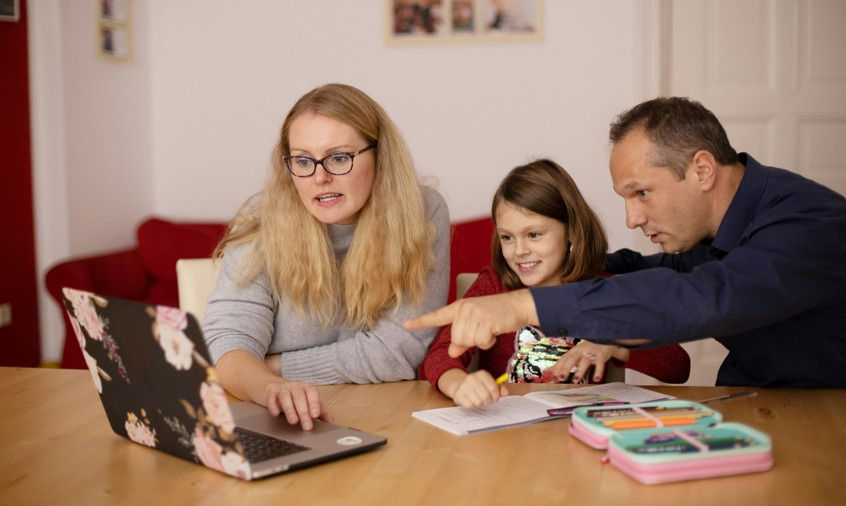
Underneath all of this pressure is often a quiet fear that many parents carry but rarely speak about openly “What if I’m getting this wrong?” “What if I accidentally damage my child emotionally?” “What if I’m not doing enough?”
As a therapist working with children, teens, and families, I see so many loving and caring parents who are emotionally exhausted, not because they do not love their children enough, but because they are trying so hard to do everything perfectly.
They deeply care about their children’s emotional wellbeing, want strong family relationships, and genuinely want to give their children the best possible life and emotional foundation. But many parents are holding themselves to impossible standards that no human being could realistically maintain long term.
The reassuring reality is this, children do not need perfect parents in order to grow into emotionally healthy, resilient, and secure individuals. What children benefit from far more is having parents who are emotionally regulated enough to create a sense of safety, stability, connection, and emotional consistency most of the time. That is very different from perfection.
Children learn more from emotional experiences than constant instruction
One of the most important things parents can understand is that children are constantly learning from the emotional environment around them, even during everyday moments that may seem small or insignificant to adults.
Children notice how adults respond to stress, frustration, conflict, disappointment, pressure, mistakes, and emotional discomfort. They observe how people communicate during difficult moments, how emotions are expressed, how tension is handled inside the home, and how adults recover after emotional challenges or disagreements.
Even when children appear distracted, disengaged, or focused on something else, they are still absorbing emotional patterns from the people around them.
This means children are not only learning from discipline strategies, parenting techniques, or verbal advice. They are learning from what emotional life actually feels like inside the home.
When children regularly experience calm repair after conflict, emotional warmth, healthy coping, emotional honesty, and emotional safety, they slowly begin developing an internal sense that emotions are manageable and relationships can remain safe even during difficult moments. That emotional learning becomes incredibly powerful over time.
Being emotionally regulated does not mean being calm every second
This is where many parents become unnecessarily hard on themselves. Many people mistakenly believe emotional regulation means never yelling, never becoming frustrated, never crying, never feeling overwhelmed, and always responding perfectly and calmly in every parenting situation.
That expectation is simply unrealistic. Parents are human beings with nervous systems, emotions, stress, exhaustion, responsibilities, and limits.
There will absolutely be moments where parents feel emotionally stretched, impatient, frustrated, exhausted, or overwhelmed.
Being emotionally regulated does not mean becoming emotionless or endlessly patient. It means developing the ability to recognise emotional escalation before it completely takes over, and learning how to return to steadiness after difficult moments occur. It means being able to pause and reflect rather than continuing emotional escalation automatically, recognising that you are becoming overwhelmed right now. “I need to slow myself down.” “I could handle this differently.”
It means calming yourself instead of unconsciously feeding the emotional intensity further, being willing to apologise, reconnect, and repair after conflict or emotional disconnection occurs. These are the moments children learn from most deeply. Children benefit enormously from seeing that emotions can be experienced, managed, recovered from, and repaired safely.
Children do not need a childhood free from discomfort
One of the biggest misconceptions in modern parenting is the belief that good parenting means protecting children from all frustration, disappointment, sadness, boredom, failure, or emotional discomfort. But emotional resilience is not developed through constant comfort.
Children gradually build emotional strength through learning that they can move through difficult feelings safely and survive challenges without falling apart emotionally.
They build confidence when they experience setbacks and learn they can recover. They develop frustration tolerance when they realise uncomfortable feelings eventually settle. They develop problem solving abilities when they are supported through challenges rather than rescued from every difficult experience immediately. This does not mean children should be left alone emotionally or unsupported during distress.
Children absolutely need emotional safety, support, guidance, and reassurance. But there is an important difference between supporting children through emotions and trying to eliminate every uncomfortable feeling immediately.
Sometimes children simply need a calm and emotionally steady adult sitting beside them while they work through frustration, sadness, disappointment, embarrassment, or emotional overwhelm. Those moments help teach children that, “I can feel difficult emotions and still be okay.”
Parents often carry more stress than they realise
Many homes today are operating under significant nervous system pressure. Busy schedules, constant rushing, financial pressure, work demands, overstimulation, technology overload, emotional exhaustion, and ongoing mental load have become normalised in many families.
Parents are often carrying invisible stress while trying to continue functioning for everybody around them. The challenge is that children are incredibly sensitive to emotional environments. Even when parents try hard to hide stress or “hold it together,” children often still feel the emotional energy inside the home.
A parent operating in chronic overwhelm may unintentionally create an environment where children also begin functioning in heightened emotional states.
Not because the parent is failing. But because nervous systems constantly influence each other. Children often absorb emotional tension long before they fully understand what is causing it. This is why parental regulation matters so much. A calmer, steadier emotional environment inside the home often helps children feel safer emotionally as well.
Repair is more important than perfection
Many parents become deeply distressed after moments where they lose patience, react emotionally, or feel they handled a parenting situation poorly. But healthy parenting has never been about avoiding all mistakes.
Healthy parenting is about learning how to reconnect and repair after difficult moments happen. Every parent will have moments they wish they could redo. There will be stressful mornings, emotional reactions, frustration, exhaustion, and moments where parents do not respond the way they hoped they would. What matters deeply is what happens afterward.
Children benefit enormously from hearing parents say things like:
“I’m sorry.”
“I was feeling overwhelmed.”
“I could have handled that better.”
“Let’s try again.”
“I love you even when we have hard moments.”
These moments teach children that relationships can recover after conflict. They teach children that mistakes do not automatically destroy connection, and emotions are manageable and that people can reconnect after difficult experiences. In many ways, repair builds emotional security more deeply than perfection ever could.
Children borrow calmness from adults
Young children especially are still developing the ability to regulate emotions independently. Before children can fully calm themselves, they often rely on the nervous systems around them to help them feel safe and emotionally settled.
This is why the emotional state of adults matters so much. When adults slow their breathing, lower their tone, remain grounded, and respond calmly during stressful moments, children often begin settling emotionally as well. This does not mean children instantly calm down every time. But over repeated experiences, children begin learning emotional regulation through coregulation with emotionally safe adults.
A parent who models calming strategies, emotional awareness, healthy recovery after stress, and emotional steadiness is teaching emotional regulation constantly, often without even realising it.
Parents need compassion too
Many parents are trying incredibly hard while also carrying their own emotional burdens, stress, exhaustion, personal struggles, and unresolved experiences.
Some parents are navigating anxiety, burnout, relationship stress, financial pressure, sleep deprivation, emotional overload, or unresolved trauma while still trying to care for everyone else around them.
Some parents were never consistently shown healthy emotional regulation themselves growing up. They may be learning these skills for the very first time while also trying to teach them to their children. That deserves compassion rather than criticism.
Parents do not become better through guilt, shame, or constant self judgment. They grow through awareness, support, reflection, learning, and gradually developing healthier emotional responses over time.
The goal is emotional safety not perfection
Children are not searching for flawless parents who never struggle, never react emotionally, and never make mistakes. What children truly need is emotional safety.
They need connection, warmth, consistency, repair, emotional presence, and adults who help them feel safe during difficult moments. The beautiful thing is that parents do not need to become perfect in order to provide those things.
They simply need to remain human, self aware, willing to repair, and open to growing alongside their children. Because often the parents who worry most about “messing up” their children are actually the parents who care deeply enough to reflect, learn, apologise, grow, and keep showing up with love and intention. That matters far more than perfection ever will.
Read more from Christian Dounis
Christian Dounis, Psychotherapist | Hypnotherapist | Counsellor
Christian is known for blending strategic psychotherapy, hypnosis, EMDR, and neuroscience-informed techniques to help clients understand their patterns, regulate their emotions, and build long-term resilience. Christian has a particular passion for supporting adolescents as they navigate identity, anxiety, and the pressures of modern life, and he strives to make therapy engaging, empowering, and genuinely transformative.


