Ozempic, Wegovy and Weight Loss Injections – The Nutrition Conversation We Are Missing
Written by Dietetic Minds, Registered Dietetic Mentor
A registered dietitian and founder of Dietetic Minds, creating evidence-based nutrition resources that empower students, professionals, and the public to make informed choices and improve health.

Weight loss injections have become one of the biggest health conversations in recent years. From social media discussions to mainstream news coverage, medications such as Ozempic and Wegovy have changed the way many people think about weight management.
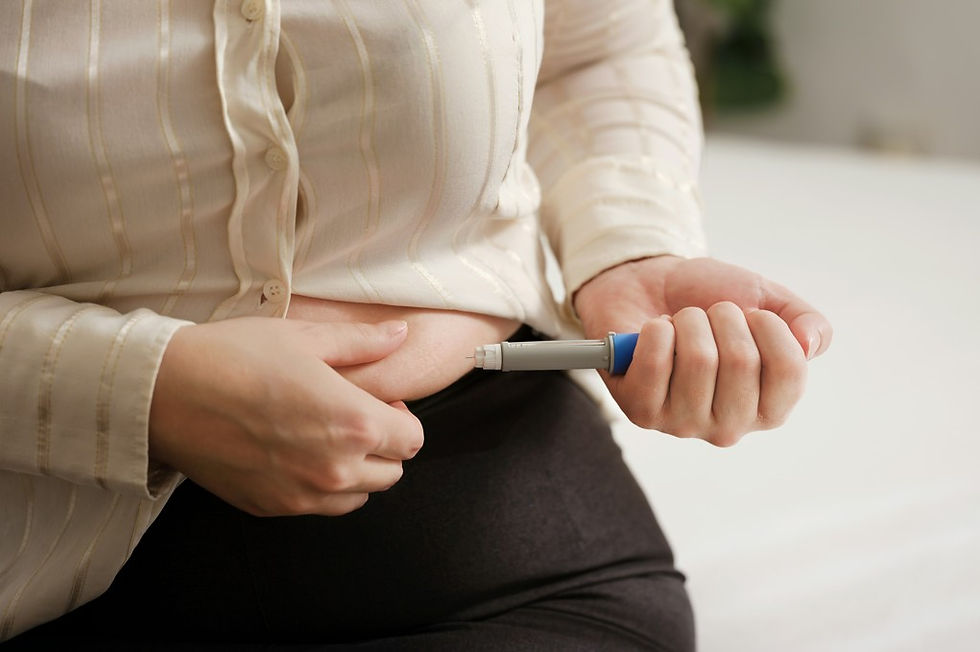
For some people, these medications can provide an important option for managing obesity and improving health. But as the conversation around GLP-1 medications continues to grow, one question is often overlooked: where does nutrition fit in?
Medication can be an important part of treatment, but long-term health involves more than changes on the scales. Maintaining nutritional intake, supporting muscle and strength, managing side effects, and developing sustainable habits all remain important parts of the journey.
What are Ozempic, Wegovy and GLP-1 medications?
GLP-1 receptor agonists are a group of medicines that influence hormones involved in appetite regulation, digestion and blood glucose control.
Semaglutide is the active ingredient in both Ozempic and Wegovy, but the medicines have different licensed uses. In the UK, Wegovy is used for weight management, while Ozempic is licensed to treat type 2 diabetes. The NHS information about semaglutide provides an accessible overview of the medicine, including how it works and its possible side effects.
Wegovy can reduce appetite and increase feelings of fullness, meaning some people may naturally eat smaller portions or feel satisfied with less food.
People using weight loss injections may notice:
Reduced hunger
Smaller portion sizes
Feeling fuller sooner
Changes in food preferences
Reduced cravings
For someone who has struggled with appetite and weight management, these changes can feel significant. However, eating less does not automatically mean meeting all of your nutritional needs.
Why does nutrition still matter during weight loss?
When appetite decreases, overall food intake can change considerably. Someone who previously ate three substantial meals and snacks may suddenly find that they are eating much smaller portions. While this can contribute to weight loss, it can also make it more challenging to obtain enough protein, fibre, vitamins, minerals and fluids. This is why the nutritional quality of the food being eaten still matters.
A smaller appetite can mean that the foods someone does manage to eat need to provide as much nutritional value as possible.
The British Dietetic Association has developed evidence-based nutrition guidance for people taking medications for obesity, highlighting the importance of nutritional and lifestyle support alongside these medicines.
The goal should not simply be to eat as little as possible. The goal should be to support health while weight is changing.
10 nutrition tips to consider when taking weight loss medication:
1. Prioritise protein
Protein plays an important role in maintaining and repairing body tissues, including muscle. When appetite is reduced, some people may unintentionally eat less protein than they need. Including a protein-rich food regularly can therefore be a useful strategy.
Examples include:
Eggs
Fish
Lean meats
Milk and yoghurt
Cheese
Beans and lentils
Tofu and other plant-based protein sources
The amount of protein an individual needs varies depending on factors such as age, body size, health status, and activity levels. There is no single protein target that suits everyone.
2. Don’t forget fibre
Fibre is important for digestive health and can be found in foods such as fruit, vegetables, wholegrains, beans, lentils, nuts and seeds.
However, some people taking GLP-1 medications experience gastrointestinal symptoms such as constipation, nausea, or changes in bowel habits.
Increasing fibre very quickly may not always be comfortable, particularly if someone is already experiencing digestive symptoms. Instead, focus on gradual changes and consider the overall balance of your diet.
3. Stay hydrated
Reduced appetite does not necessarily mean reduced fluid requirements. Keeping hydrated remains important, particularly if gastrointestinal side effects are affecting food and drink intake.
Water can form the basis of your fluid intake, while drinks such as milk can also contribute to overall nutritional intake.
If vomiting, diarrhoea or significant difficulty drinking develops, it is important to seek advice from the healthcare professional managing your medication.
4. Make smaller meals nutritionally valuable
When appetite is reduced, large meals may feel difficult to manage. Rather than forcing yourself to eat large portions, consider how smaller meals can still provide a combination of important nutrients.
For example, a smaller meal containing protein, a source of carbohydrate, vegetables or fruit and some healthy fats can provide considerably more nutritional value than simply eating very small amounts of food throughout the day. This is where individualised dietetic advice can be particularly useful.
5. Don’t deliberately starve yourself
One risk of the online weight loss conversation is the idea that the less you eat, the better your results will be. This is not the goal of treatment. Weight loss should not come at the expense of adequate nutrition.
If your appetite is so reduced that you regularly struggle to eat or drink enough, discuss it with your healthcare professional rather than simply accepting it as part of weight loss.
6. Support muscle through nutrition and movement
Weight loss involves changes in body composition, not simply changes in body fat. Maintaining strength and physical function should therefore be part of the wider conversation.
Adequate nutrition, including sufficient protein, alongside appropriate physical activity can help support muscle and physical function.
Resistance-based exercise can be particularly useful for supporting strength where it is safe and appropriate for the individual.
The NHS guidance on physical activity provides practical information about incorporating movement into everyday life.
7. Don’t become obsessed with the number on the scales
Weight is one measure of health, but it doesn't tell the whole story. Two people with the same weight can have completely different:
Medical histories
Nutritional needs
Relationships with food
Lifestyle factors
Physical abilities
Health goals
Likewise, two people taking the same medication may have completely different experiences. Health should therefore be assessed in the context of the individual rather than through a single number.
8. Be aware of side effects
Nausea, vomiting, diarrhoea, constipation and other gastrointestinal symptoms can occur with semaglutide. For some people, these symptoms may make eating and drinking more difficult. Do not assume that persistent or severe symptoms are something you have to tolerate.
If side effects are affecting your ability to eat, drink or function normally, speak to the healthcare professional responsible for your treatment. The NHS information on semaglutide and its possible side effects provides further information.
9. Be careful with weight loss advice on social media
The popularity of Ozempic, Wegovy and other weight loss injections has created a huge amount of online content. There are now countless videos showing “What I Eat in a Day” routines, dramatic weight loss transformations, supplement recommendations and extreme diets aimed at people taking GLP-1 medications. But popularity does not equal evidence.
Be particularly cautious about content promoting extreme calorie restriction, detoxes, unnecessary supplements or advice encouraging people to avoid eating simply because their appetite has decreased.
For reliable information about your medication, start with your prescribing healthcare professional and trusted sources such as the NHS and British Dietetic Association.
10. Remember that medication is only one part of the picture
Perhaps the most important message is that weight loss medication should not be viewed in isolation. Medication can influence appetite and support weight loss, but it does not automatically teach someone how to build a balanced diet, manage changing appetite, maintain strength or develop sustainable habits. This is why dietary support and physical activity remain important alongside appropriate medical treatment.
The British Dietetic Association’s guidance on medications for obesity emphasises the importance of wider support alongside these medicines rather than viewing them as a stand-alone solution.
Why does dietetic support matter?
Dietitians can play an important role in helping people navigate changes in appetite, eating patterns and nutritional needs while taking weight loss medication.
A dietitian can help someone:
Understand their individual nutritional needs
Maintain a balanced diet despite a reduced appetite
Identify potential nutritional gaps
Adapt meals around changing appetite
Manage nutrition around gastrointestinal symptoms
Consider protein and fibre intake
Develop realistic long-term habits
Importantly, dietetic support is not simply about giving someone a list of foods they can or cannot eat. It is about understanding the individual and helping nutrition work within their circumstances.
This patient-centred approach is particularly important because there is no single “Wegovy diet” that is appropriate for everyone.
What does the future of weight management look like?
As weight loss medications become more widely used, nutrition needs to remain part of the conversation. The future of weight management should not be about choosing between medication or lifestyle changes. It should be about recognising that health is multifaceted.
People deserve support that considers their physical health, nutritional needs, mental wellbeing, relationship with food and individual circumstances.
Most importantly, people deserve information that helps them make informed decisions rather than making them feel judged.
Supporting evidence-based nutrition conversations
At Dietetic Minds, I believe nutrition advice should be based on science, compassion and individual needs. My approach combines clinical dietetic experience with psychology-informed education, aiming to make complex nutrition information clearer, more practical, and easier to understand.
You can learn more about my professional background and approach in this interview with Dietetic Minds in Brainz Magazine. For practical, evidence-based nutrition and dietetic resources, you can also explore the Dietetic Minds Store.
Final thoughts
Weight loss medications have changed the landscape of weight management. But the nutrition conversation remains essential.
Supporting health is not simply about losing weight. It is about ensuring the body receives the nutrients it needs, maintaining strength and physical function, managing side effects, and developing sustainable approaches that support long-term wellbeing.
For some people, medication may be an important part of that journey. For others, a different approach may be more appropriate. Either way, the goal should remain the same: support the person, not just the number on the scales.
Read more from Dietetic Minds
Dietetic Minds, Registered Dietetic Mentor
A registered dietitian and founder of Dietetic Minds, an educational platform supporting students, early-career dietitians, and those seeking trustworthy, practical guidance on improving health and wellbeing through diet and nutrition. During training, often faced uncertainty and limited support outside university hours, inspiring the creation of resources that make evidence-based nutrition clear, approachable, and actionable. Now develops digital resources and nutrition-focused health advice designed to simplify complexity, build confidence, and empower users to make informed, positive choices for their health every day. Mission: to make nutrition education accessible, practical, and inspiring for all.