Not All Creatine is the Same and What to Look for on the Label
Shopping for creatine seems simple until you're actually doing it. One tub says "micronized," another says "HCl," a third promises an "advanced buffered formula," and the prices are all over the place. If creatine is creatine, why do they all look so different?
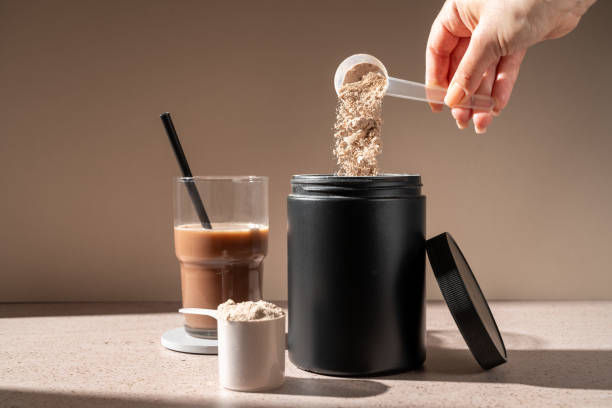
The truth is that what's inside the tub can vary quite a bit from brand to brand. Knowing a few things to look for on the label makes it much easier to pick a product you can trust.
Why quality can vary so much
Many people don't realize the FDA doesn't approve dietary supplements for safety or effectiveness before they're sold, and it doesn't approve their labels either. Companies are responsible for making sure their products are safe and accurately labeled, and the FDA typically steps in only after a product is already on the market.
That puts a good chunk of the responsibility on you as a shopper. Plenty of creatine on the market is perfectly fine, but quality and purity aren't guaranteed just because something is sitting on a store shelf. That's why the details on the label matter.
Stick with creatine monohydrate
New forms of creatine show up all the time, usually with claims that they absorb better, cause less bloating, or work at a lower dose. A 2022 review by Kreider, Jäger, and Purpura in the journal Nutrients examined the evidence behind these alternatives and found that creatine monohydrate has the strongest research backing its absorption, effectiveness, and safety. Many of the newer forms are less studied, and the results are either not significant or have been found to be inferior to creatine monohydrate; plus, they’re usually more expensive.
Keep the ingredient list short
Flip the tub around and check the supplement facts panel. A good creatine product doesn't need much. Ideally, the only ingredient is creatine monohydrate, with no fillers, artificial flavors, or other fillers that make it hard to tell how much creatine you're actually getting.
You may also see where the creatine itself comes from. Some brands use Creapure, the only creatine monohydrate not made in China. Creapure is made in Germany, and it’s known for strict quality control and low levels of impurities. A high-quality creatine powder will usually call out details like this right on the label, since it's a real point of difference.
Look for third-party testing
Since supplements aren't checked before they're sold, independent testing is one of the best ways to know a product contains what it says it does. Programs like Informed Sport, NSF Certified for Sport, and USP Verified either screen products for banned substances or confirm that what's on the label matches what's in the tub. Products that pass can display the program's seal.
This matters most for competitive athletes who get drug tested, since a contaminated product could cost them their eligibility. But it's a reassuring sign for anyone, because it means someone outside the company has double-checked the product.
Check the serving size and cost per serving
Most research uses 3 to 5 grams of creatine a day, so look for a product that gives you that in one scoop. Some products use smaller servings or tuck creatine into a pre-workout blend, which can leave you short of an effective dose.
When comparing prices, divide the cost by the number of servings instead of looking at the tub price alone. Pure creatine monohydrate is one of the more affordable supplements per serving, so a much higher price should come with a good reason, like third-party testing or a premium raw material.
The takeaway
Choosing a creatine supplement doesn't have to be confusing. Stick with creatine monohydrate, look for a short ingredient list, check for a third-party testing seal, and make sure each scoop gives you a full dose.
A few seconds of label reading goes a long way. Once you've found a product that checks those boxes, the rest is just taking it consistently and putting in the work at the gym.