Non-Attachment ‒ The Art Of Letting Go
Written by: Morgan Williams, Executive Contributor
Executive Contributors at Brainz Magazine are handpicked and invited to contribute because of their knowledge and valuable insight within their area of expertise.

Attachment can be described as a feeling that connects one to a person, thing, cause, or deal. As human beings, we often find ourselves emotionally attached to people, feelings, and things. We create meaning from our environment and connect ourselves to things according to how they make us feel, how they have previously made us feel, or how we think they should make us feel. Call it love, devotion, loyalty, or instinct, we want to recreate that original feeling repeatedly, almost like an addiction. The problem is, this can keep us attached to things that are no longer serving us, resulting in a feeling of suffering.
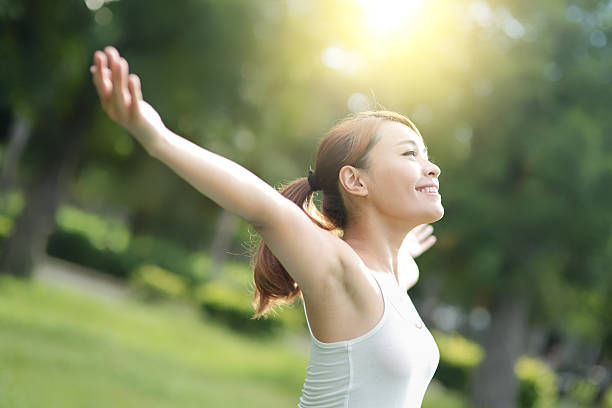
Before I became a coach, I dove deep into my yoga practice. The concept of non-attachment was presented to me during a yoga class. At that moment, my life changed forever. You know those moments in life when you suddenly “know” and can never “unknow”? That’s what happened to me that day. My introduction to non-attachment powerfully changed me and the course of my life moving forward.
Non-attachment, in yogic Sanskrit, known as Aparigraha, suggests that we let go of our attachments. It can also be described as letting go of possessiveness, greed, clinging, grasping, and coveting.
When I think of attachment as clinging, I experience a contraction, a tightness, a knowing that it is not meant for me. Non-attachment invites us to allow for things to experience expansion, rather than contraction, and flow more naturally. It is knowing that what is meant for us will not pass us by; that if it’s not this, it is always something better. Being able to do so freely, requires an element of trust. We get to trust the process and believe that what is meant for us, will show up at exactly the right time.
In times of fear and uncertainty, non-attachment can be a challenge, just when we need it most. Many of us can probably relate as, over the last 2 1/2+ years, we have navigated the Covid-19 pandemic. During this time, there has been so much uncertainty, creating unease and anxiety. We have been attached to the way we “did” life pre-pandemic. The shift that has occurred over the last couple of years, has invited us to go with the flow, not knowing what to expect, but having a deep knowing that things will turn out for us anyway.
The nature of non-attachment is impermanence; a knowing that nothing stays the same and that everything changes. It may sound cliché, but the only thing constant is change. Rather than resisting it, what if we fully embrace it and stay open and in tune with all the possibilities that can come from change?
Morgan Williams, Executive Contributor Brainz Magazine
Morgan Williams, wear many hats and titles; however, it is the work with her own personal healing journey, which led her to the path of coaching and energy work. Morgan was a professional educator for 16 years, while running a small business for the last five. She is a single mom, to the BEST kid around, and she found herself totally burnt out. Something had to change, and it started with coming back to herself. She found yoga and coaching during this time. She remembers vividly, sitting there, paralyzed with a broken heart, and realizing that if her relationship with herself was better, no one person, could hurt her that deeply. It was her wake-up call and self-love, and true self-care was the first step and a total game-changer in her journey.